What happens to teeth under veneers? Your natural teeth remain underneath the thin porcelain or composite shells. For traditional veneers, a small amount of enamel is usually removed before the veneers are bonded to the front of the teeth. The teeth continue to function normally, but the enamel removal is permanent.
Veneers do not prevent cavities or gum problems. The natural teeth underneath still need brushing, flossing, and regular dental checkups. Understanding how veneers work, what happens to the enamel, and how to protect your teeth can help you make an informed decision about treatment. If you’re comparing cosmetic treatments, our guide to teeth under veneers and dental crowns explains how these procedures differ.
What Happens to Teeth Under Veneers?
When veneers are placed, the natural teeth are not removed or replaced. Instead, thin shells are bonded to the front surfaces to change their visible color, shape, or size. During preparation for traditional porcelain veneers, the dentist usually removes a small amount of enamel to create space for the material. The amount depends on the tooth’s condition, the veneer design, and the treatment plan.
After placement, the natural tooth remains underneath the veneer, including its root and inner structures. The veneer covers the prepared front surface, while other areas of the tooth remain exposed. The important thing to understand is that veneers change the tooth’s outer surface, not its entire structure. Natural teeth can remain healthy underneath veneers for many years, but they can still develop decay, sensitivity, or other dental problems.
What Are Dental Veneers?
Dental veneers are thin coverings made from porcelain or tooth-colored composite resin. They are attached to the front of natural teeth to improve their appearance. Veneers can change the appearance of stained, chipped, uneven, or slightly spaced teeth. Unlike dental crowns, which cover most or all of a prepared tooth, traditional veneers mainly cover the visible front surface.
Types of Dental Veneers
There are several types of veneers, each with unique advantages and considerations:
Porcelain Veneers: These are custom-made ceramic shells that are bonded to prepared teeth. They closely resemble natural enamel and resist stains. Traditional porcelain veneers generally require some enamel removal.
Composite Veneers: These are made from tooth-colored resin, often applied and shaped directly on the teeth. Composite veneers may require less enamel removal than porcelain veneers and can sometimes be completed in one appointment.
Minimal-Prep or No-Prep Veneers: These are designed to require less tooth preparation than traditional veneers. However, some cases still require enamel removal. They are not suitable for every patient.
The American Dental Association’s guide to veneers explains how porcelain and composite veneers differ in their preparation, placement, and care.
Why Dentists Recommend Veneers
Veneers are often recommended for patients with:
- Severely discolored teeth that do not respond to whitening
- Chipped or cracked teeth affecting the smile
- Small gaps between teeth that the patient prefers not to correct with braces
- Uneven, worn, or misshapen teeth that detract from an otherwise healthy smile
What Happens to Your Teeth During the Veneer Procedure?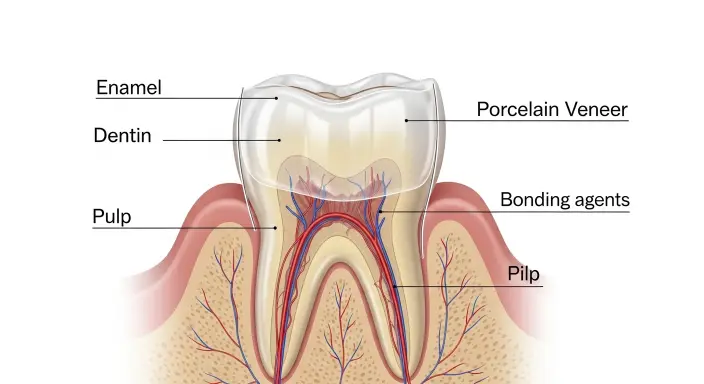
The veneer procedure involves examining the natural teeth, preparing their surfaces when necessary, and bonding the veneers into place. The steps vary depending on whether porcelain or composite veneers are used.
Consultation and Smile Design
The first step is a dental examination to check the health of the teeth and gums. Our dentist evaluates the tooth structure, discusses the desired appearance, and determines whether veneers are appropriate. Any existing cavities or gum problems generally need to be addressed before veneer placement.
Enamel Preparation
This step often raises the most concern. To make space for the veneer, a thin layer of enamel typically 0.3 to 0.7 millimeters, about the thickness of a contact lens, is removed from the front of the tooth. Local anesthetic is usually applied to keep the procedure comfortable. Because this enamel reduction is permanent, veneers are considered an irreversible cosmetic treatment.
Tooth Impressions
After preparation, your dentist takes precise impressions using either physical molds or digital scans. These impressions are sent to a dental laboratory, where skilled technicians craft custom veneers that match your desired shape, size, and shade perfectly.
Temporary Veneers
While your permanent veneers are being fabricated usually within one to two weeks—temporary veneers are placed over the prepared teeth. They protect the exposed surfaces and give you a preview of your final smile.
Permanent Veneer Bonding
At the final appointment, the temporary veneers are removed. The teeth are cleaned and etched to create an optimal bonding surface, and the permanent veneers are cemented with strong dental adhesive activated by a curing light. Your dentist will check your bite, make any minor adjustments, and polish the veneers for a natural, seamless finish.
What Do Natural Teeth Look Like Under Veneers?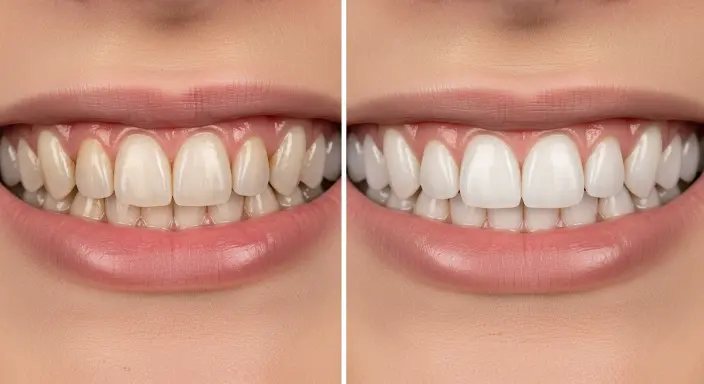
Even though veneers cover the front of the tooth, the natural tooth underneath remains fully alive and functional.
Teeth Before Veneers
Before any preparation, the tooth has its full enamel surface smooth, hard, and naturally protective. The enamel is the outermost layer and acts as the tooth’s primary shield against bacteria, temperature extremes, and physical wear.
Teeth After Preparation
Once the enamel has been reduced, the tooth looks slightly smaller than its original size and has a mildly roughened texture. This roughening is intentional; it creates a better surface for the dental cement to bond to. At this stage, the teeth are more sensitive to temperature and touch, which is why temporary veneers are placed immediately.
Teeth After Veneers Are Placed
Once the permanent veneers are bonded, the prepared tooth is fully enclosed on the front by a thin ceramic or resin shell. The tooth itself including its root, pulp, and dentin remains completely intact underneath. The veneer simply replaces the small amount of enamel that was removed, restoring both the appearance and a degree of surface protection.
Important point: The full natural tooth structure still exists underneath the veneer. The nerve is alive, blood flows to the tooth, and the root remains anchored in the jaw. A veneer is a surface treatment, not a structural replacement.
Do Veneers Ruin Your Natural Teeth?
Much of the fear around veneers comes from exaggerated or outdated images online showing heavily filed-down teeth that resemble small pegs. These images are typically from older techniques or cases involving dental crowns, a very different procedure that removes far more tooth structure. Modern porcelain veneer preparation is far more conservative.
The Reality of Enamel Removal
Tooth enamel is the hard outer covering that protects the inner layers of a tooth. Once enamel is removed, the body cannot replace it. Veneer preparation is designed to preserve as much healthy enamel as possible while allowing enough space for the restoration.
A systematic review examining ceramic veneers bonded to different tooth surfaces found better survival and success outcomes for veneers bonded primarily to enamel than those bonded to exposed dentin. This supports the importance of preserving healthy enamel during veneer treatment.
When Veneers Can Cause Problems
While veneers are generally safe, problems can arise in certain situations:
- Poor dentist technique: Removing too much enamel or failing to achieve a proper seal at the veneer margins can lead to sensitivity, decay, or failure.
- Incorrect bite alignment: Veneers placed without proper attention to how the upper and lower teeth meet can cause chipping, fracturing, or jaw discomfort.
- Poor oral hygiene: Neglecting to brush, floss, or attend regular check-ups increases the risk of decay forming where the veneer meets the natural tooth.
Can Teeth Decay Under Veneers?
Yes, Cavities Can Still Form. One of the most important things to understand about veneers is that they do not make your teeth immune to decay. The porcelain or composite shell itself cannot develop a cavity but the natural tooth underneath certainly can. Bacteria and plaque can still accumulate around the edges of the veneer and on the back surfaces of the tooth, leading to decay if not properly managed.
Where Decay Usually Happens
The most vulnerable areas for decay in veneered teeth include:
- The edges of the veneer: Where the ceramic or resin meets the natural tooth, microscopic gaps can harbor bacteria if the bond is not perfect or if it wears over time.
- The gumline: Plaque tends to accumulate at the gum margin, making this a common starting point for decay.
- The back of the tooth: Veneers only cover the front surface, leaving the back of the tooth fully exposed and susceptible to cavities.
Signs of Decay Under Veneers
Watch for these warning signs that something may be wrong under a veneer:
- Increased tooth sensitivity to hot, cold, or sweet foods
- A dark line or shadow visible around the edge of the veneer
- Gum swelling or redness around the veneer
- Persistent pain or discomfort that does not resolve on its own
Are Teeth Weaker Under Veneers?
Many people worry that veneers make teeth weaker, but in most cases, natural teeth remain strong and healthy. While a thin layer of enamel is removed to fit the veneer, this reduction is minimal and carefully done to preserve the structural integrity of the tooth. The underlying tooth, including dentin and pulp, stays intact, so the tooth continues to function normally for biting and chewing.
In fact, veneers can provide a degree of protection to the front surface of the tooth. Porcelain or composite veneers act as a durable shield against staining, minor chips, and everyday wear. With proper oral hygiene and regular dental checkups, teeth under veneers can stay strong and healthy for many years, making veneers a safe and long-lasting cosmetic solution.
Risks and Side Effects of Veneers
While veneers can dramatically improve the appearance of your smile, it’s important to understand the potential risks and side effects before getting them.
Temporary Tooth Sensitivity
After enamel preparation, many patients experience heightened sensitivity to temperature, especially cold, for several days to a few weeks. This usually resolves once the permanent veneers are bonded. Using toothpaste for sensitive teeth can help during this period.
Veneer Chipping or Cracking
Porcelain veneers are durable but not indestructible. Biting hard foods, using teeth as tools, or grinding can chip or crack a veneer. A chipped veneer must be replaced entirely. Wearing a night guard if you grind your teeth is strongly recommended.
Gum Irritation
Poorly fitted veneers or leftover cement at the gum line can irritate surrounding tissue. Well-placed veneers from an experienced dentist minimize this risk.
Need for Replacement Over Time
Veneers are long-lasting but not permanent. Porcelain veneers typically last 10–15 years, while composite veneers last 5–7 years. Replacement may require slight additional enamel removal to fit the new veneer.
Benefits of Veneers for Your Teeth
Veneers not only enhance your smile but also provide practical protection and long-lasting results for your natural teeth.
Protects the Front Tooth Surface
Porcelain veneers create a hard, smooth surface that shields the front of the tooth from staining, acid erosion, and minor impacts. For teeth with enamel wear or light surface damage, this protection is a real clinical benefit, not just cosmetic.
Improves Smile Appearance
Veneers can transform your smile in just a few appointments, correcting stained, chipped, gapped, or uneven teeth with natural-looking, long-lasting results.
Stain Resistant
Porcelain veneers resist staining from coffee, tea, wine, and other common culprits. Unlike natural enamel, their surface does not absorb pigments readily, making them an excellent long-term investment.
Long-Lasting Cosmetic Improvement
Unlike whitening treatments that fade or bonding that may need frequent touch-ups, porcelain veneers provide a decade or more of sustained cosmetic improvement with minimal upkeep beyond regular oral hygiene.
How to Care for Teeth Under Veneers
Proper care ensures your veneers stay beautiful while keeping the natural teeth underneath strong and healthy.
Maintain Proper Oral Hygiene
Brush twice daily and floss at least once a day, paying close attention to the gumline and the edges where the veneer meets the natural tooth. Plaque and bacteria can affect veneered and unveneered teeth alike, so diligent hygiene is essential.
Use Non-Abrasive Toothpaste
Avoid whitening or abrasive toothpastes, which can scratch porcelain veneers and make them prone to staining or dulling. Choose a gentle, non-abrasive toothpaste specifically designed for veneers or sensitive teeth.
Avoid Hard Foods and Damaging Habits
Chewing ice, hard candy, crusty bread, or un popped popcorn kernels or using your teeth as tools can chip or crack veneers. If you grind your teeth at night, ask your dentist about a custom night guard.
Visit Your Dentist Regularly
Professional check-ups every six months allow your dentist to monitor both the veneers and the teeth underneath. Early signs of decay, gum disease, or veneer wear can be addressed before they become serious problems.
How Long Do Teeth Under Veneers Last?
The natural teeth underneath veneers can remain healthy for many years, even after the original veneers need replacement. Porcelain veneers commonly last around 10 to 15 years, although some last longer. Composite veneers may need repairs or replacement sooner.
A systematic review of long-term porcelain veneer survival reported an estimated 95.5% cumulative survival rate at 10 years across the included clinical studies. This does not mean every veneer will last that long, since results vary by material, tooth condition, placement, and care. Veneer replacement does not automatically mean the natural tooth has been damaged. However, the tooth must be examined before a new veneer is placed.
Factors That Affect Longevity
Several factors influence how long veneers and the underlying teeth stay in good condition:
- Oral hygiene: Consistent brushing and flossing is the single most important factor.
- Teeth grinding (bruxism): Grinding can cause premature veneer failure; wearing a night guard is essential.
- Diet: Frequent acidic foods and drinks can erode the cement bond over time.
- Dentist skill: Accurate placement, proper bite assessment, and a perfect marginal seal are critical for long-term success.
Who Is a Good Candidate for Veneers?
Ideal Candidates
The best candidates for veneers are people who:
- Have structurally healthy teeth with no significant untreated decay or damage
- Are dealing with cosmetic imperfections such as staining, chips, gaps, or unevenness
- Practice good oral hygiene and are committed to maintaining it after the procedure
When Veneers May Not Be Recommended
Veneers are not appropriate for everyone. Your dentist may advise against them if you have:
- Severe tooth decay: Decayed teeth need restorative treatment before any cosmetic work.
- Active gum disease: Periodontal disease must be fully treated and stabilized first.
- Weak or insufficient enamel: Teeth with very little remaining enamel may not support a proper veneer bond, and other restorative options like crowns may be more suitable.
Alternatives to Dental Veneers
If veneers are not the right fit for your situation, several effective alternatives exist:
Dental Bonding
Composite resin is applied directly to the tooth and sculpted into shape in a single appointment. Bonding is less expensive and requires no enamel removal, but it is not as durable or stain-resistant as porcelain veneers and may need touching up every few years.
Teeth Whitening
For patients whose primary concern is discoloration, professional teeth whitening is a non-invasive, reversible option. It will not address chips, cracks, or shape irregularities, but for cosmetic staining it is often the simplest and most affordable solution.
Dental Crowns
When a tooth is structurally compromised, heavily decayed, cracked, or badly worn a crown may be more appropriate than a veneer. Unlike veneers, which only cover the front, crowns cap the entire tooth and provide full structural support. They require more enamel removal but offer superior protection for damaged teeth.
Orthodontic Treatment
Misaligned teeth, significant gaps, and bite issues are often better addressed with orthodontic treatment braces or clear aligners rather than veneers. Orthodontics treats the underlying positional problem, whereas veneers only address the surface appearance. In some cases, a combination of orthodontics followed by veneers produces the best overall result.
Ready to Enhance Your Smile with Veneers?
If you are thinking about veneers and want to understand how they may affect your natural teeth, U Smile Family Dentistry in Mesa, AZ can help. Our dental team can examine your teeth, explain the preparation process, and discuss whether porcelain or composite veneers are suitable for your needs. You can book an appointment to learn more about veneer treatment and the steps involved in protecting your natural teeth.
Conclusion
So, what happens to teeth under veneers? The natural teeth remain in place, but traditional veneer treatment usually requires removing a small amount of enamel from their front surfaces. The underlying teeth can remain healthy for many years with proper care. However, veneers do not prevent cavities, gum disease, or other dental problems. Understanding the permanent changes to enamel, possible risks, and long-term maintenance requirements can help patients make informed decisions about veneers.
Frequently Asked Questions
Can veneers damage my natural teeth?
When properly placed, veneers do not damage your natural teeth. Only a thin layer of enamel is removed, and the underlying tooth remains healthy and fully functional.
Can teeth decay under veneers?
Yes, the natural tooth under a veneer can still develop cavities. Proper oral hygiene and regular dental check-ups are essential to prevent decay at the edges of veneers.
How long do veneers last?
Porcelain veneers typically last 10–15 years, sometimes longer, while composite veneers last 5–7 years. The underlying teeth can remain healthy well beyond this period.
Are teeth weaker after getting veneers?
No. Veneers are applied conservatively to preserve tooth strength. In fact, they can protect the front surface of teeth from minor chips, wear, and staining.
How should I care for teeth under veneers?
Brush twice daily, floss at the gumline, avoid hard foods, and use non-abrasive toothpaste. Regular dental visits every six months help maintain both veneers and natural teeth.