
Veneers cover only the front surface of a tooth and are mainly used for cosmetic improvements, while crowns cover the entire tooth and are used to restore strength and function. Veneers are ideal for fixing issues like discoloration, small gaps, or minor chips, whereas crowns are recommended when a tooth is significantly damaged, weakened, or has undergone a procedure like a root canal.
In short, veneers improve how your smile looks, while crowns protect and rebuild the tooth itself. The right choice depends on the condition of your tooth and your goal whether you want a cosmetic upgrade or need structural support. A dentist at U Smile Dental in Mesa, AZ can help determine which option fits your situation best.
What Are Dental Veneers?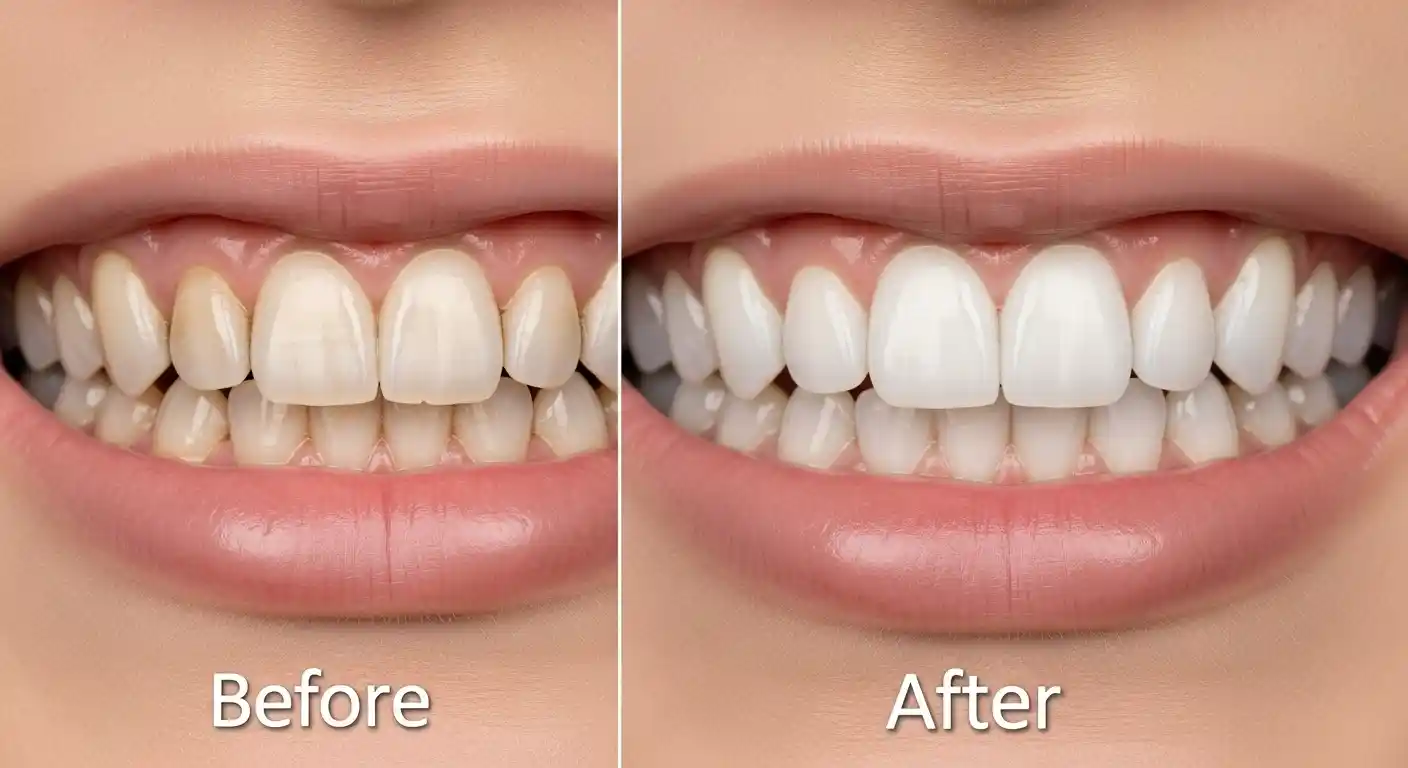
A dental veneer is a wafer-thin custom shell typically made from porcelain or composite resin that is permanently bonded to the front-facing surface of a tooth. Veneers are designed to blend seamlessly with surrounding teeth while correcting imperfections that affect the look of your smile.
Veneers are ideal for treating deep or stubborn tooth stains that don’t respond to whitening, chips or small fractures that are visible when you smile, slightly uneven or misshapen teeth, minor gaps between teeth, and teeth that appear too short or too small. Crucially, veneers work best on teeth that are fundamentally healthy; they address cosmetic concerns without requiring the extensive preparation that a crown involves.
Veneer Procedure: Step-by-Step Overview
Getting veneers typically takes two to three dental visits:
- Consultation and planning: Your dentist examines your teeth, discusses your goals, and determines whether veneers are appropriate for you.
- Tooth preparation: A small amount of enamel usually around 0.5mm is removed from the front of each tooth to make room for the veneer. This is irreversible, so it’s an important decision.
- Impressions: Molds or digital scans of your teeth are taken and sent to a dental lab where your custom veneers are created.
- Temporary veneers: In some cases, temporary veneers are placed while your permanent ones are being made (usually 1–2 weeks).
- Bonding: Once the permanent veneers arrive, your dentist checks the fit and color, makes any adjustments, and bonds them permanently to your teeth using a special adhesive and curing light.
What Are Dental Crowns?
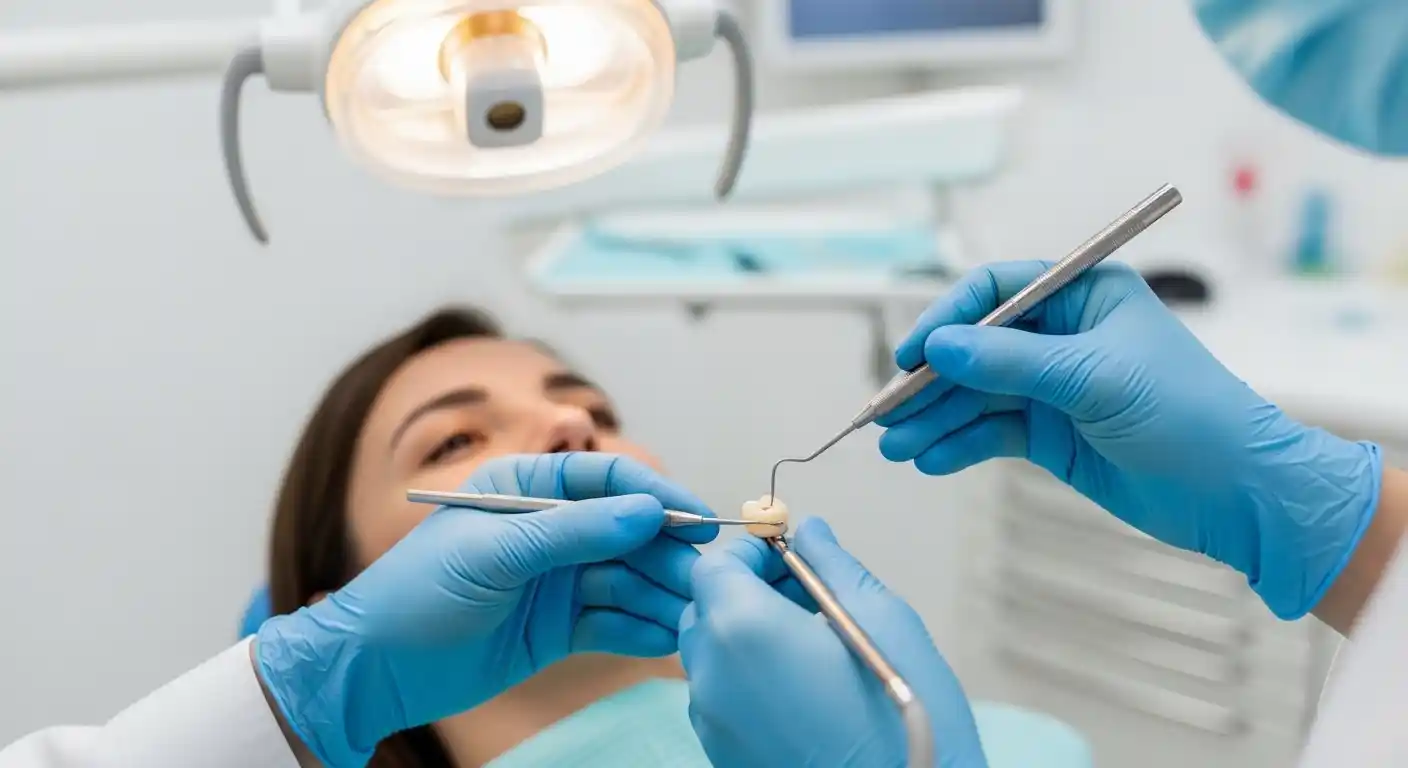
A dental crown is a cap that covers the entire visible portion of a tooth on all sides, not just the front. Crowns are made from various materials including porcelain, ceramic, metal alloys, or a combination of these. They’re cemented permanently onto the existing tooth structure and function just like a natural tooth.
Crowns are used when a tooth is too damaged or weakened for a simple filling or veneer to be effective. Common reasons include a large cavity that has destroyed much of the tooth, a cracked or fractured tooth, a tooth that has undergone root canal treatment (which often leaves the tooth brittle), a severely worn tooth, or a tooth that needs to serve as an anchor for a dental bridge.
Crown Procedure: Step-by-Step Overview
Like veneers, crowns usually require two visits:
- Examination and preparation: Your dentist evaluates the tooth, takes X-rays, and may perform any necessary treatment (like a root canal) before crown placement.
- Tooth reshaping: The tooth is filed down significantly on all sides to accommodate the crown’s thickness. This is more extensive than veneer preparation.
- Impressions: Molds or digital scans are taken so the lab can custom-fabricate your crown.
- Temporary crown: A temporary crown protects your prepared tooth while the permanent crown is being made.
- Crown placement: At your second visit, the temporary crown is removed, and the permanent crown is checked for fit, bite, and color before being cemented in place.
Veneers vs Crowns: Key Differences Explained
Veneers and crowns differ in purpose, coverage, and when they are used. These differences help determine the right option for your needs.
Purpose: Cosmetic vs Functional
Veneers are primarily a cosmetic solution, designed to enhance the appearance of your smile without adding significant strength to the tooth. Crowns, on the other hand, are restorative and protective, used when a tooth is weakened or damaged and needs structural support. While crowns can improve appearance, their main purpose is to restore function and protect the tooth.
Tooth Coverage: Partial vs Full Encasing
Veneers cover only the front surface of a tooth, leaving the rest of the natural tooth intact. In contrast, crowns fully encase the entire tooth above the gumline, providing complete coverage and greater protection, especially for compromised teeth.
Tooth Preparation Required
Veneers require minimal enamel removal typically around 0.5 mm from the front surface making them a more conservative option. Crowns involve extensive reshaping of the tooth on all sides, which removes more natural structure and makes the procedure more permanent.
Strength and Durability
Crowns are generally stronger and more durable because they cover the entire tooth and use thicker materials. They often last 10–15 years or longer with proper care. Veneers have a similar lifespan but are more prone to chipping, especially under pressure from grinding or biting hard foods.
Best Use Cases
Veneers are ideal for cosmetic improvements on healthy teeth, such as correcting stains, minor chips, or small gaps. Crowns are better suited for teeth that are cracked, decayed, or structurally weak, where protection and long-term strength are essential.
When Are Veneers the Right Choice?
Veneers are an excellent option when your goal is to enhance the appearance of your smile and your teeth are generally healthy. They work especially well for stubborn stains that don’t respond to whitening including discoloration caused by medications or excess fluoride as well as for correcting minor chips, small gaps, slight misalignment, or uneven tooth shapes.
They are also commonly used in smile makeovers, where multiple front teeth are treated to create a more uniform and natural-looking result. If you’re unhappy with the shape, size, or color of your front teeth, veneers offer one of the most effective and long-lasting cosmetic solutions in modern dentistry.
When Are Crowns the Better Option?
Crowns are the better choice when a tooth is weakened, damaged, or structurally compromised. For example, if a tooth has a large cavity, significant decay, or has lost a substantial portion of its structure, a veneer won’t provide enough support whereas a crown can fully restore and protect it.
They are also recommended for cracked or broken teeth, as a crown helps hold the tooth together and prevents further damage. After a root canal, teeth often become more brittle, and placing a crown adds essential protection and durability. Crowns are also ideal for severely worn teeth from grinding (bruxism) or when a tooth needs to support a dental bridge, making them a reliable long-term restorative solution.
Cost of Veneers vs Crowns
The cost of veneers and crowns varies based on the material, procedure complexity, and dentist’s experience. Knowing these factors helps you choose the option that fits your needs and budget.
Veneer Cost Per Tooth
Veneers are generally considered a premium cosmetic treatment, with costs varying based on the material used, the dentist’s expertise, and the complexity of your case. Porcelain veneers tend to be more expensive due to their durability and natural appearance, while composite veneers are a more affordable option but may not last as long and can be more prone to staining over time.
Crown Cost Per Tooth
Crowns are typically priced based on the type of material and the level of restoration required. Options like all-ceramic or porcelain crowns are usually on the higher end, while metal or porcelain-fused-to-metal crowns may be more budget-friendly. The total cost can also increase if additional procedures such as buildup or prior treatment are needed.
Insurance Coverage Differences
Veneers are usually not covered by dental insurance since they are considered cosmetic. Crowns, however, are often partially covered when medically necessary, such as for restoring a damaged tooth or after major dental treatment. Coverage varies by plan, so it’s important to confirm the details with your provider beforehand.
Factors That Affect Cost
Several variables influence what you’ll ultimately pay:
- Material: Porcelain and zirconia cost more than composite or metal.
- Number of teeth: More teeth treated means higher total cost, though some dentists offer volume discounts.
- Dentist expertise: Cosmetic specialists and prosthodontists often charge more.
- Location: Urban areas and high cost-of-living regions tend to have higher dental fees.
- Additional procedures: X-rays, extractions, root canals, or bone grafts add to the overall cost.
Pros and Cons of Veneers and Crowns
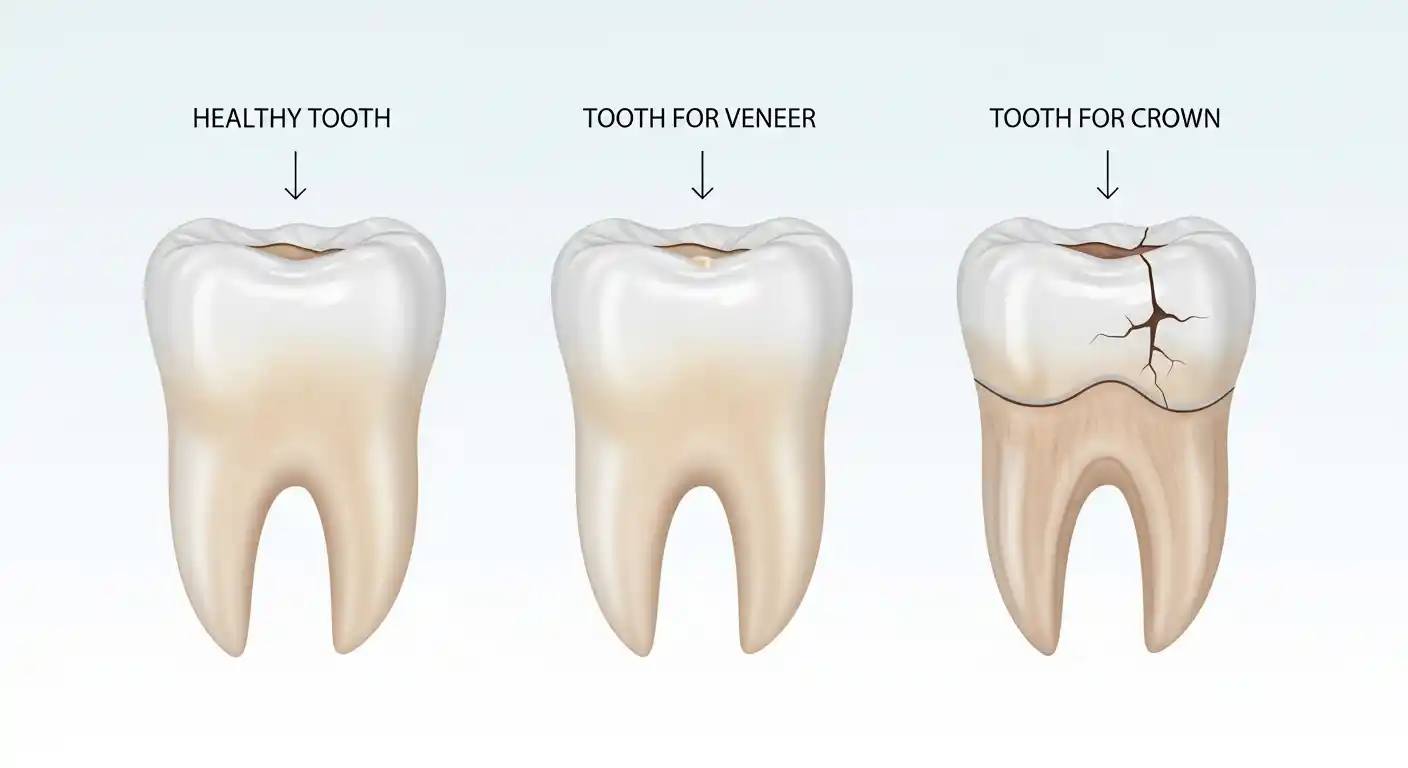
Veneers and crowns both improve dental health and appearance but serve different purposes. Understanding their pros and cons helps you choose the right treatment.
Veneers Pros
- Natural-looking porcelain veneers mimic the translucency of real teeth beautifully.
- Minimal tooth removal compared to crowns.
- Stain-resistant surface (for porcelain).
- Can correct multiple cosmetic issues in one procedure.
- Long-lasting typically 10–15 years with proper care.
Veneers Cons
- Not covered by dental insurance.
- Irreversible enamel removal cannot be undone.
- Not suitable for teeth with significant decay or damage.
- Can chip or crack under excessive pressure.
- Composite veneers stain and wear more easily than porcelain.
Crowns Pros
- Provides full structural protection for damaged or weakened teeth.
- Extremely durable especially metal or zirconia crowns.
- Often covered partially by dental insurance when medically necessary.
- Can restore both function and appearance.
- Necessary and effective after root canal treatment.
Crowns Cons
- Requires significant removal of natural tooth structure.
- More invasive and potentially more uncomfortable during preparation.
- Can feel bulkier than a natural tooth initially.
- More expensive upfront than veneers in some cases.
- Gum recession over time can expose the crown margin.
How Long Do Veneers and Crowns Last?
Veneers and crowns are long-term dental solutions, but they are not permanent. Porcelain veneers typically last around 10 to 15 years, while most ceramic or porcelain-fused-to-metal crowns have a similar lifespan. In some cases, all-metal crowns can last 20 years or more, and composite veneers generally last a shorter period due to increased wear and staining over time.
Their longevity largely depends on oral hygiene and daily habits. While these restorations don’t decay, the natural tooth underneath still can, especially if brushing and flossing are inconsistent. Habits like teeth grinding (bruxism), biting hard objects, or chewing ice can also shorten their lifespan. In many cases, dentists recommend a night guard to protect veneers and crowns from excessive pressure during sleep.
How to Care for Veneers and Crowns
Caring for veneers and crowns is similar to caring for natural teeth and mainly depends on good daily oral hygiene. Brushing twice a day with a soft-bristled toothbrush, using non-abrasive toothpaste, and flossing daily especially along the gumline helps prevent plaque buildup and keeps the surrounding teeth and gums healthy.
It’s also important to avoid habits that can damage your dental work, such as biting ice, hard foods, or using teeth to open objects. If you grind your teeth, a night guard can help protect your veneers or crowns, and regular dental checkups ensure any early signs of wear or issues are detected before they become serious.
Book Your Veneers or Crowns Consultation in Mesa, AZ Today
Choosing between veneers and crowns depends on the condition of your teeth and the results you want whether it’s a cosmetic smile upgrade or restoring strength and function. The best way to know for sure is through a professional dental evaluation tailored to your specific needs.
At U Smile Dental in Mesa, AZ, our experienced dental team can help you understand your options and recommend the right treatment for a healthier, more confident smile. Schedule your consultation today and take the first step toward your ideal smile.
Conclusion
Veneers and crowns are both effective dental treatments, but they serve different purposes. Veneers are best for improving the appearance of healthy teeth, while crowns are designed to restore and protect teeth that are damaged or weakened. The right choice depends on your dental condition, aesthetic goals, and long-term oral health needs.
If you are unsure which option is right for you, a professional dental evaluation is the best next step. At U Smile Dental in Mesa, AZ, we can assess your teeth and help you choose the most suitable treatment for a healthy, confident smile.
Frequently Asked Questions
Are veneers better than crowns?
Neither is better overall, it depends on your needs. Veneers are ideal for cosmetic improvements, while crowns are better for restoring damaged or weakened teeth.
Do veneers or crowns last longer?
Both typically last around 10–15 years with proper care, although crowns may last longer in some cases depending on the material used and oral habits.
Is the procedure painful?
The procedures are usually not painful because local anesthesia is used. Some mild sensitivity may occur after treatment but typically goes away quickly.
Can veneers be placed on any tooth?
No, veneers are only suitable for healthy teeth with minor cosmetic issues. Teeth with major decay or damage usually require crowns instead.
How do I know if I need a veneer or a crown?
A dentist will evaluate your tooth condition, strength, and goals to determine the best option for your specific case during a consultation.