
Oral Surgery
Bone Grafting in Mesa, AZ
- Valencia Dental Care - North Mesa
- (480)-219-1933
- Valencia Dental Care - North Mesa
- (480)-219-1933
- Valencia Dental Care - North Mesa
- (480)-219-1933
- Valencia Dental Care - North Mesa
- (480)-219-1933
If you’ve been told you don’t have enough jawbone for dental implants in Mesa, AZ, bone grafting can change that. Jawbone loss often begins just weeks after a tooth extraction and can worsen over time due to gum disease or trauma. At U Smile Family Dentistry, Dr. Tia Khoshaba provides bone grafting in Mesa, AZ to rebuild lost bone, restore oral health, and prepare you for strong, long-lasting dental implants. With a success rate exceeding 95%, bone grafting is a safe, proven procedure with predictable results.
What is a Bone Graft?
A bone graft is a procedure used to rebuild lost or weakened jawbone, creating a strong foundation for dental implants in Mesa, AZ. The graft material may come from your own body (autograft), a certified donor source (allograft), animal-derived bone (xenograft), or synthetic materials (alloplast). Over time, these materials naturally integrate with your existing bone, restoring both strength and volume.
Bone grafting is often recommended for patients who need additional bone support before receiving dental implants in Mesa, AZ. It is also commonly used to repair bone loss caused by gum disease, facial injury, or long-term tooth loss. In some cases, a guided bone regeneration (GBR) membrane is placed over the graft to protect the area and encourage healthy new bone growth during healing.
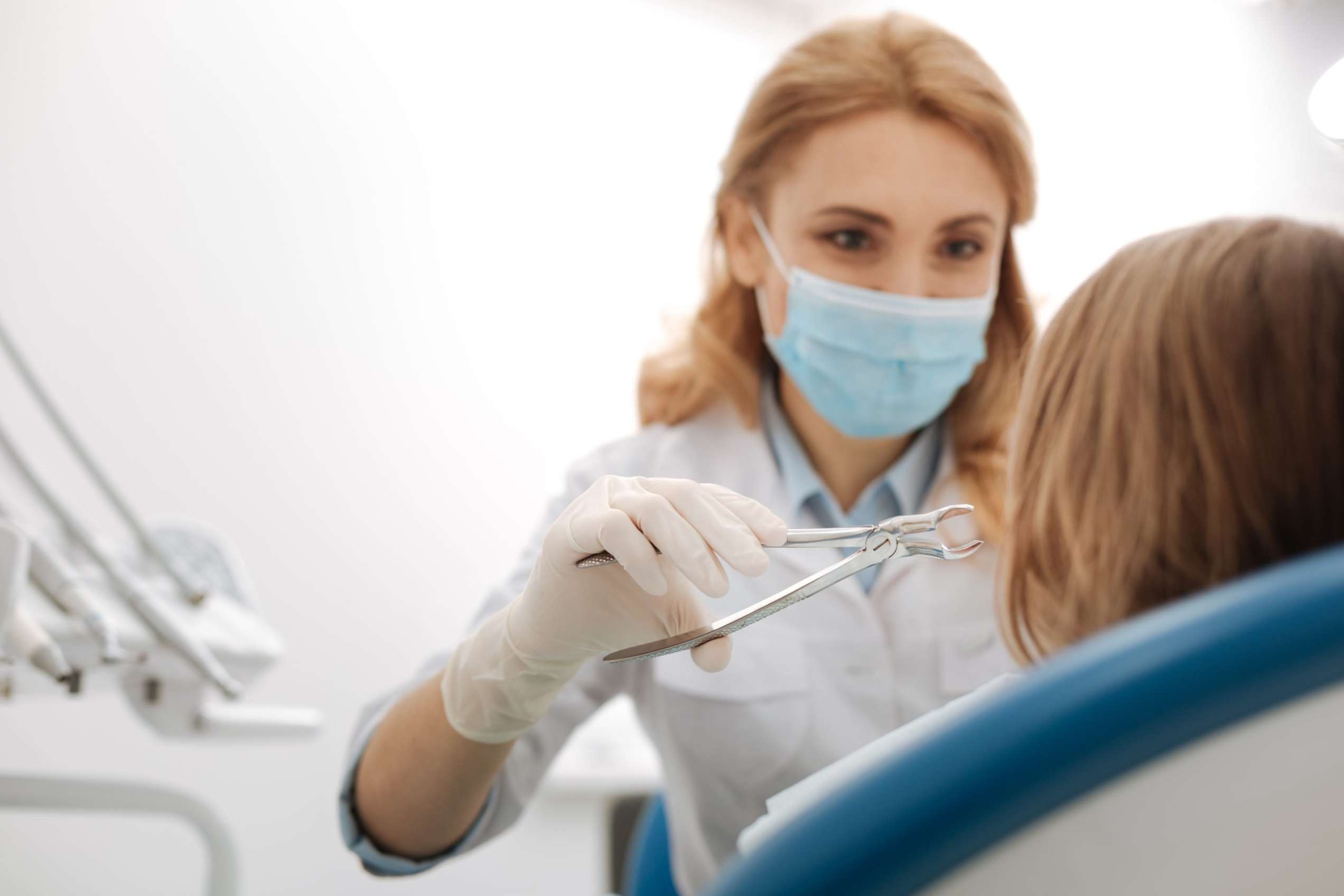
Call our emergency line now for immediate dental care and pain relief
Types of Bone Grafts We Offer in Mesa, AZ
Not every patient has the same level of bone loss, which is why we customize every bone grafting procedure to your specific needs. Dr. Tia Khoshaba evaluates your jawbone using digital X-rays and recommends the most suitable treatment approach.
Socket Preservation
Socket preservation is performed immediately after a tooth extraction. The empty socket is filled with bone graft material to prevent collapse and preserve the natural shape of the jawbone. This helps minimise bone shrinkage and keeps future dental implant options open. Without this step, bone loss can begin soon after extraction.
Ridge Augmentation
When bone loss has already occurred and the jaw ridge has become narrow or flat, ridge augmentation helps rebuild its width and height. Bone graft material is placed in the affected area and gradually integrates with your natural bone over 3–6 months, creating a stable foundation for dental implants.
Sinus Lift
For patients needing implants in the upper back jaw, bone height may be limited due to the proximity of the sinus cavity. A sinus lift gently elevates the sinus membrane and adds bone graft material beneath it, creating the necessary bone support for secure implant placement.
Onlay / Block Grafting
In cases of significant bone deficiency, a block of bone is attached directly to the jaw to rebuild its structure. This technique is used when the jaw is too thin or narrow for standard grafting methods and helps create a strong, stable base for future implants.
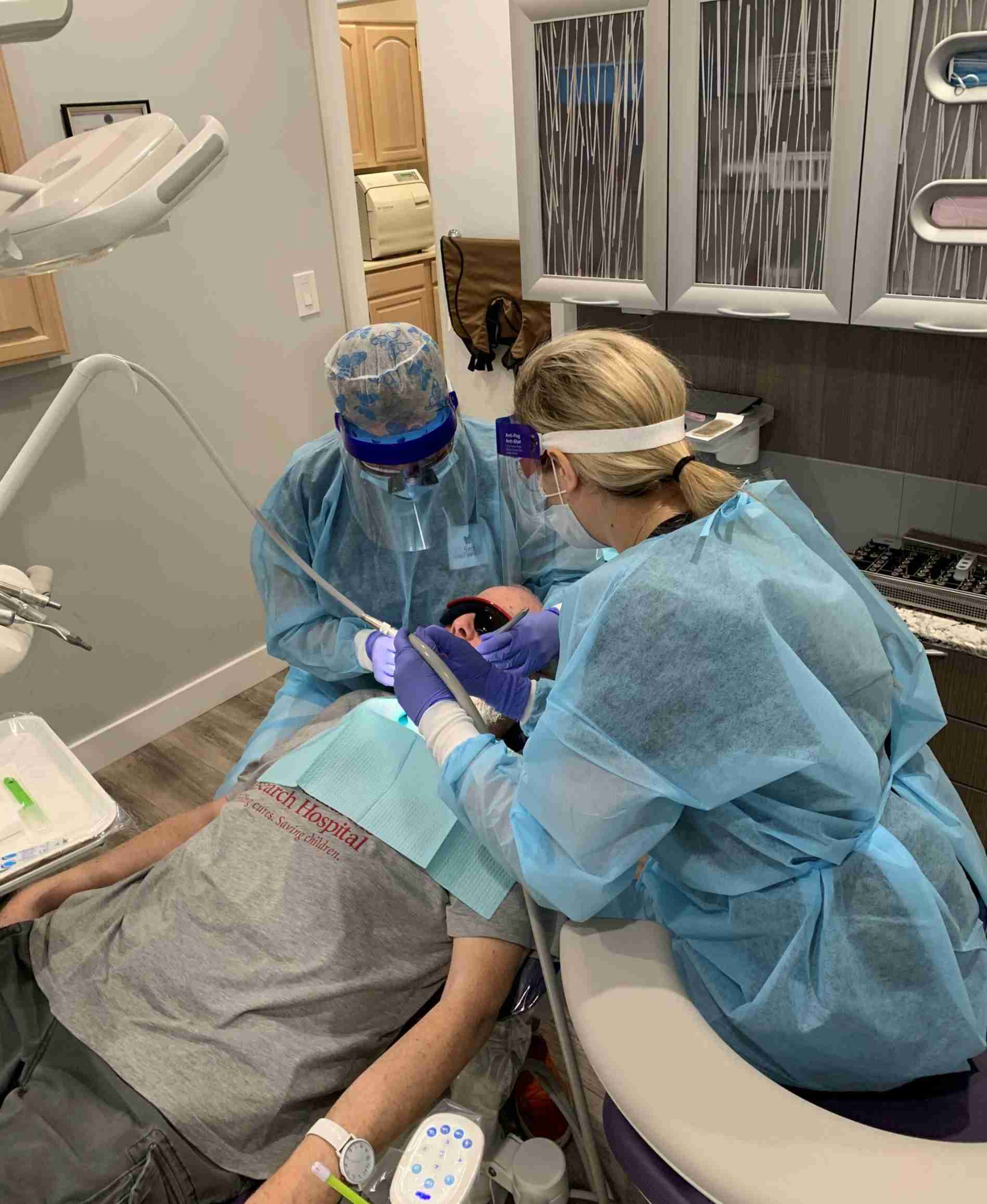
What is the Recovery Time for Bone Grafts?
Recovery time after bone grafting in Mesa, AZ depends on the size of the graft, the type of material used, and the patient’s overall health. Most patients are able to return to normal daily activities within a few days.
However, full healing takes longer. The graft must go through a process called osseointegration, where it fuses with the natural jawbone. This typically takes about 3 to 6 months, although in more complex cases, complete healing may take up to 12 months before dental implants can be placed.
Several factors can affect recovery time, including age, overall health, smoking habits, and existing conditions such as gum disease. At U Smile Family Dentistry, Dr. Tia Khoshaba closely monitors healing with follow-up visits and digital X-rays to ensure the bone is integrating properly before moving forward with implant treatment. To protect the graft site and promote healing, choose soft foods that don’t require much chewing such as mashed potatoes, scrambled eggs, oatmeal, fruit purees, yogurt, smoothies, pudding, and soft soups.
Bone Graft Materials — What We Use
The material used for your bone graft depends on the amount of bone loss, your medical history, and the overall treatment goal. Dr. Tia Khoshaba will review your case carefully and recommend the most suitable option for your needs.
Autograft
An autograft uses bone taken from another area of your own body, most commonly the chin or jaw. Because it contains living cells and natural growth factors, it integrates very effectively with your existing bone and has the lowest risk of rejection. The main drawback is that it requires a second surgical site.
Allograft
An allograft is processed bone sourced from a certified human tissue bank. It is carefully sterilised and tested for safety before use. This is one of the most commonly used options because it eliminates the need for a second surgical site while still providing strong regenerative results.
Xenograft
A xenograft is typically derived from bovine (cow) bone and acts as a supportive scaffold that your natural bone gradually replaces over time. It is widely used, well-tolerated, and does not involve harvesting bone from your own body.
Alloplast
Alloplasts are man-made materials, such as hydroxyapatite or tricalcium phosphate, designed to closely mimic natural bone structure. They carry no risk of disease transmission and are a good option for patients who prefer a fully synthetic, biocompatible solution.
Neighborhoods
- Central Mesa
- Lehi
- Alta Mesa
- Downtown Mesa
- Northeast Mesa
- Mesa Grande
- Evergreen Historic District
- Fraser Fields
- Riverview
- Reed Park
- Sherwood Manor
- Red Mountain Ranch
Driving Direction
Coming to our Mesa office for bone grafting? U Smile Family Dentistry is located at 1350 E McKellips Rd Suite #7, Mesa, AZ 85203. From Loop 202, take the Stapley Drive exit, travel south to E McKellips Road, and continue to Suite #7.
Client Feedback
 Posted on Google
 Lu Dubbs
Trustindex verifies that the original source of the review is Google.
Wonderful staff very professional and thorough. Will definitely be going backPosted on Google Light2025-09-02 - Covered parking is available. This Dentistry has been kind, welcoming, clean, and professional. Dr. Tia and staff have been able to answer questions in a precise and easy-to-understand manner. If you're in immediate need of a dentist due to a dental emergency, either reach out to them over the phone, or show up during office hours to speak with a receptionist. If Dr. Tia is unavailable, someone else may be able to address your concerns. Take care of teeth and don't brush off your routine dentist cleanings.Posted on Google
 Rossana RubioI went in for my regular dental cleaning. And Dr. Tia Khoshaba was very nice and professional. And the staff, Maria and Alondra, were also very nice. They went above and beyond and answered all my questions. I had a great experience.Posted on Google
 nicole hillDr. Khoshaba is so kind and compassionate. She went above and beyond to help my daughter. I Highly recommend her! Clean fresh office and nice staff too!Posted on Google
 Jeff KnedlhansI am a wimp when it comes to pain and Dr. Tia Khoshaba and staff really take care of you. No rushing and takes the time to explain everything. I am going for my 2nd implant now. Through out the whole procedure they are there for you. I highly recommend this dentist. Even the way the administrator there numbing shots are not bad.Posted on Google
 Evi KiryandrianiDr Tia is amazing dentist and all her staffs are great and so nice. Thank you for being so wonderful. Dr Tia cares very much to her patients, and her staffs are phenomenal. Thank you for taking good care of me.Posted on Google
 Deon BidoriniI have always loved this practice! Now so more than ever!! Yesterday I called with what I deemed an emergency situation. They fit me in within an hour and were able to calm my fears and ease my mind!! No better dental practice!!!Posted on Google
 AdelaidaMy experiences have been great. They reduced my fear of dental procedures.