
Tooth crowns are typically made from materials such as porcelain, ceramic, zirconia, metal alloys (including gold), porcelain-fused-to-metal (PFM), and composite resin. The choice of material depends on factors like the tooth’s location, strength requirements, aesthetic preferences, and budget.
If you have a damaged, weak, or discolored tooth, a dental crown in Mesa, AZ can restore both its function and appearance but not all crowns are created equal. Understanding what tooth crowns are made of can help you make a more confident, informed decision about your dental treatment and long-term oral health.
What Is a Tooth Crown?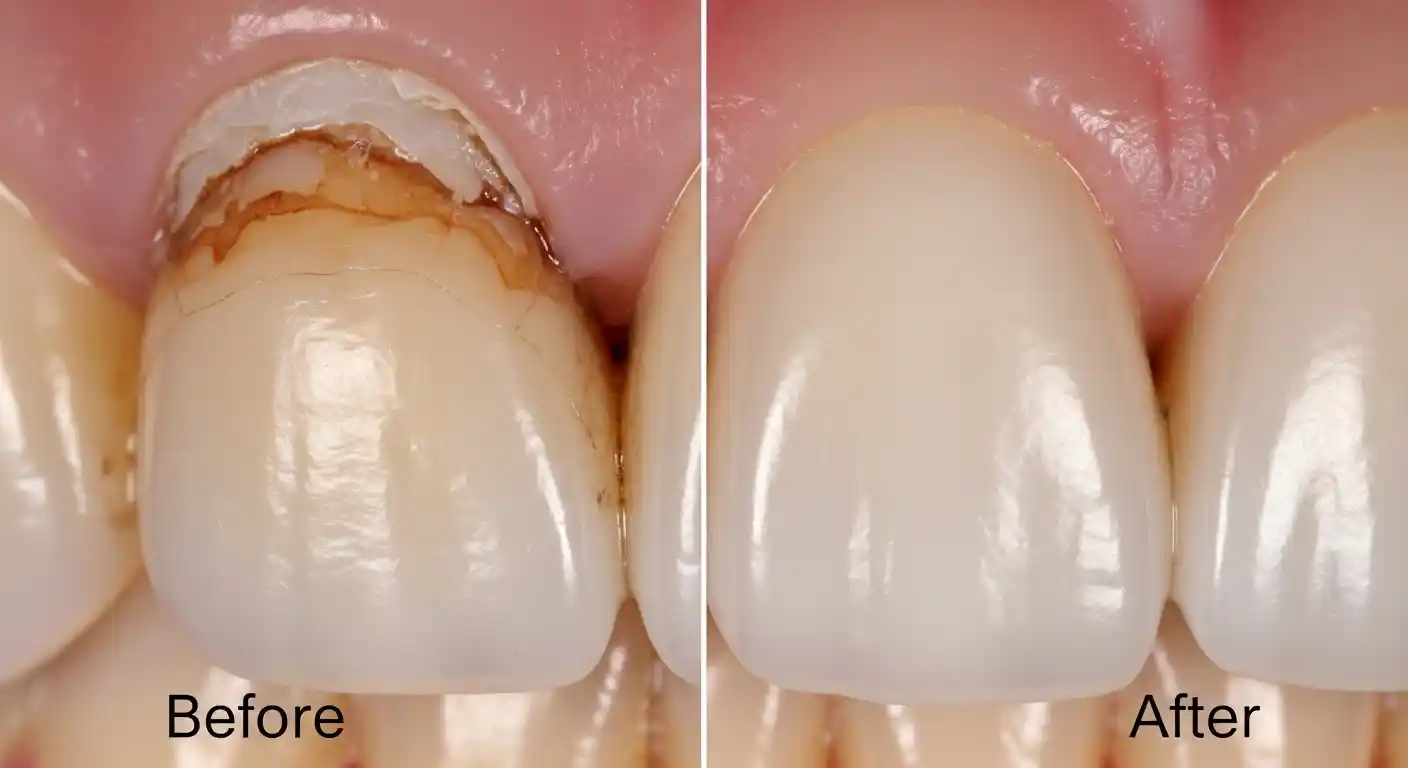
A tooth crown is a custom-made cap that covers the entire visible portion of a tooth above the gumline, restoring its shape, size, strength, and appearance. Once securely placed, it fully protects and reinforces the damaged tooth.
Dentists recommend crowns in several situations, including when a tooth is cracked, fractured, or severely worn down, when decay is too extensive for a filling, or after a root canal to protect the weakened tooth. Crowns are also used to anchor dental bridges, cover dental implants, and improve the appearance of discolored or misshapen teeth.
As one of the most common restorative dental treatments, crowns play a crucial role in both function and aesthetics, and the material used can significantly impact durability, appearance, and long-term results.
What Materials Are Tooth Crowns Made Of?
Modern dentistry offers several crown materials, each with a distinct set of properties. Here’s a detailed look at each type.
Porcelain or Ceramic Crowns
Porcelain and ceramic crowns are a popular choice for front teeth because they closely mimic the natural color, translucency, and texture of real teeth. They are completely metal-free, stain-resistant, and ideal for patients with metal sensitivities, though they may be more prone to chipping under heavy pressure. They are best suited for areas where aesthetics matter more than heavy biting strength.
Zirconia Crowns
Zirconia crowns are known for their exceptional strength and natural appearance, making them suitable for both front and back teeth. They are metal-free, highly durable, resistant to cracking, and often created using advanced CAD/CAM technology for precise and long-lasting results. This makes them one of the most reliable and widely recommended crown materials today.
Metal Crowns (Gold or Alloy)
Metal crowns, including gold and other alloys, are the most durable option and can withstand heavy chewing forces without chipping or breaking. Although they require minimal tooth removal and last for many years, their metallic appearance makes them more suitable for back teeth. They are especially beneficial for patients who grind or clench their teeth.
Porcelain-Fused-to-Metal (PFM) Crowns
PFM crowns combine a strong metal base with a tooth-colored porcelain exterior, offering a balance between durability and aesthetics. However, the metal underneath may become visible near the gumline over time, and the porcelain layer can chip under stress. Despite this, they remain a dependable option for both front and back teeth.
Composite Resin Crowns
Composite resin crowns are an affordable, tooth-colored option often used as temporary restorations. While they can be placed quickly and repaired easily, they are less durable, more prone to staining, and generally not recommended for long-term use. They are typically used as a short-term solution while waiting for a permanent crown.
Same-Day (CEREC) Crowns
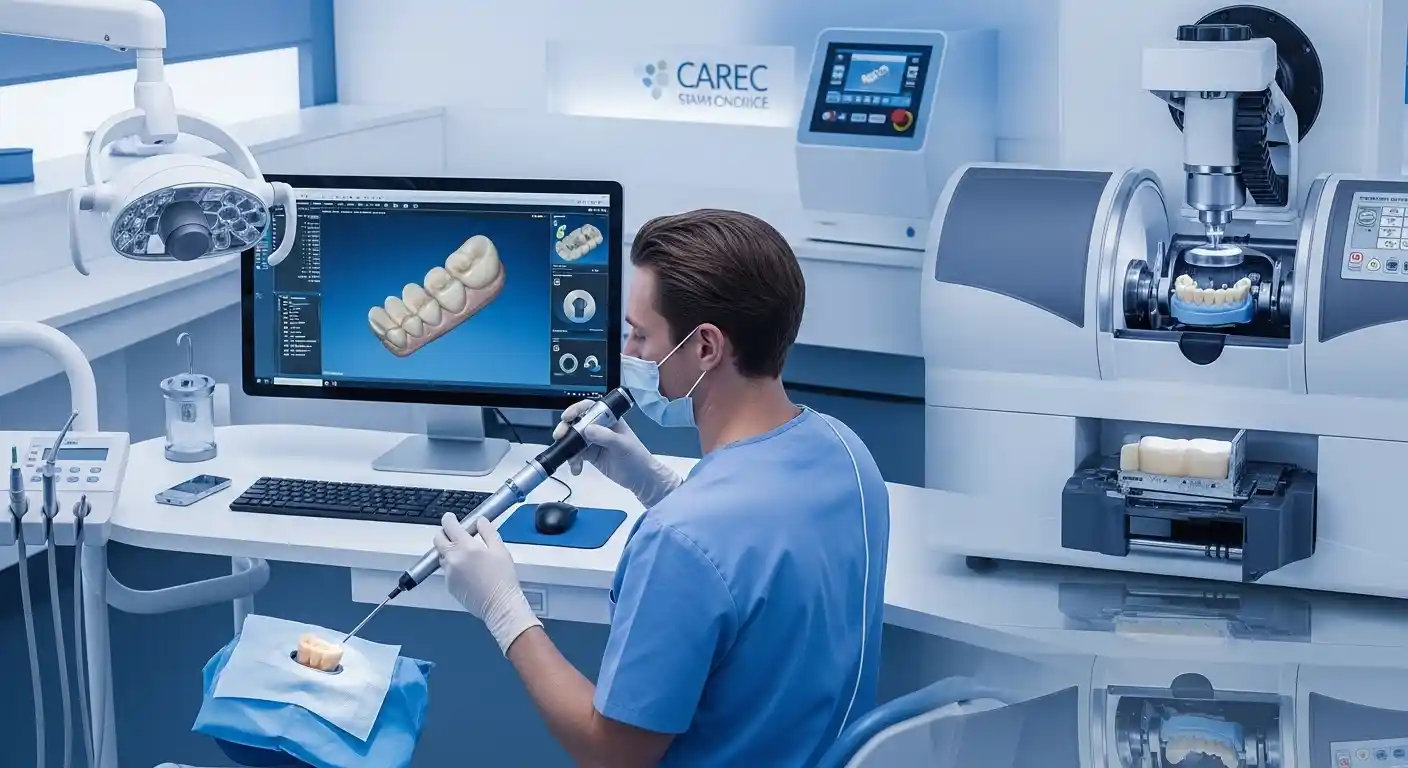
Same-day crowns are created using CEREC technology, allowing dentists to design and place a crown in a single visit using digital scans and in-office milling. Typically made from ceramic or zirconia, they offer convenience and good quality without the need for multiple appointments. This option is ideal for patients who want fast treatment without compromising too much on quality.
Which Tooth Crown Material Is Best for You?
There is no single “best” crown material; the right choice depends on your individual situation. Here’s how dentists typically approach the decision based on common priorities.
Best Crowns for Front Teeth
For front teeth, appearance is the top priority. All-ceramic or zirconia crowns are the standard recommendation. Both materials can be shaded and shaped to blend seamlessly with surrounding teeth, and neither carries the risk of a visible metal line at the gumline. Zirconia has the added advantage of being more resistant to chipping than traditional porcelain.
Best Crowns for Molars
Molars endure significant chewing force, so durability takes priority. Zirconia crowns are an excellent choice here strong enough for back teeth while still looking natural. For patients who prioritize longevity above all else, particularly those with a heavy bite or bruxism, gold or metal alloy crowns remain the most durable option available.
Best Budget-Friendly Option
Composite resin crowns carry the lowest upfront cost and can be placed in a single visit. They are best suited as a temporary measure or for patients who plan to upgrade to a more durable material in the future. Among permanent crown options, PFM crowns tend to be more affordable than full zirconia or all-ceramic restorations.
Best Long-Lasting Option
If longevity is the primary goal, metal crowns, particularly gold alloy, are unmatched, with a lifespan that can exceed 20 years. For patients who want a long-lasting crown that also looks natural, zirconia is the strongest tooth-colored option available and can last 15 years or more with proper care.
Temporary vs Permanent Crowns: What Are They Made Of?
When a tooth is prepared for a crown, some of its structure is removed, leaving it vulnerable while the permanent crown is being made. A temporary crown, usually made from acrylic or composite resin, is placed to protect the tooth for about one to two weeks. These are designed for short-term use, may feel less natural, and require patients to avoid sticky or hard foods to prevent them from coming loose.
Permanent crowns are made from stronger, longer-lasting materials such as ceramic, zirconia, metal, or porcelain-fused-to-metal and are custom-crafted using impressions or digital scans for a precise fit. Patients who opt for same-day CEREC crowns can skip the temporary step entirely, as the permanent crown is designed and placed in a single visit.
What Factors Affect the Choice of Crown Material?
Choosing the right crown material involves weighing several practical and personal factors. Here’s how each one typically influences the decision.
Tooth Location
Where the tooth sits in your mouth is often the most important factor. Front teeth particularly the upper incisors and canines are highly visible, so aesthetics take precedence and tooth-colored materials like ceramic or zirconia are strongly preferred. Back molars are hidden from view and endure more force, making strength the priority; metal or zirconia crowns are typically the better fit.
Bite Pressure
Patients who grind or clench their teeth (bruxism) place significantly more stress on their crowns than the average person. For these patients, ceramic crowns may be at higher risk of chipping, and a dentist may recommend zirconia or metal instead. A nightguard may also be prescribed alongside any crown material to extend its lifespan.
Aesthetic Needs
For many patients, how the crown looks is non-negotiable, especially for teeth that are visible when smiling or speaking. Tooth-colored materials like porcelain, ceramic, and zirconia can be shaded to match surrounding teeth closely. Patients who are less concerned about appearance and more focused on function may be comfortable with metal options.
Allergies and Sensitivities
Some patients have sensitivities or allergies to specific metals used in crown alloys; nickel in particular is a common culprit. If you have a known metal allergy, all-ceramic or zirconia crowns are a safe, metal-free alternative. It’s important to disclose any known allergies to your dentist before treatment begins so the appropriate material can be selected.
Budget Considerations
Crown costs vary significantly depending on the material chosen. Composite resin is the most affordable option, while gold, all-ceramic, and zirconia crowns sit at the higher end of the price range. Insurance coverage also plays a role; many plans cover a portion of medically necessary crowns but may not cover the cost difference if you upgrade to a more premium material for aesthetic reasons.
Pros and Cons of Tooth Crown Materials
Tooth crown materials offer different benefits and drawbacks depending on durability, appearance, and cost. Understanding these differences helps ensure the best fit for your dental needs.
Advantages of Tooth Crowns
- Protection: Crowns shield damaged, cracked, or weakened teeth from further deterioration, potentially saving teeth that might otherwise require extraction.
- Restored function: A properly placed crown restores full chewing and biting function, allowing patients to eat normally without pain or discomfort.
- Natural appearance: Modern ceramic and zirconia crowns are highly aesthetic and nearly indistinguishable from natural teeth.
- Durability: Most crown materials, when properly cared for, last a decade or more. Metal crowns can last 20+ years.
- Versatility: Crowns can be used for restorative, functional, and cosmetic purposes, making them one of the most versatile tools in dentistry.
- Convenience: Same-day CEREC technology means patients can receive a permanent crown in a single visit.
Disadvantages of Tooth Crowns
- Cost: Crowns can be expensive, particularly without insurance. Gold and full-ceramic options carry the highest price tags.
- Tooth reduction: Placing a crown requires removing a portion of the natural tooth structure, which is irreversible.
- Chipping risk: Ceramic and porcelain crowns can chip or crack under heavy bite pressure or impact.
- Gumline visibility: PFM crowns may develop a visible dark line at the gumline as gums naturally recede over time.
- Sensitivity: Some patients experience temporary tooth sensitivity after crown placement, particularly to hot and cold temperatures.
- Resin durability: Composite resin crowns wear down faster and require more frequent replacement than other materials.
Are Tooth Crown Materials Safe?
Yes, all modern tooth crown materials are required to meet strict biocompatibility standards, meaning they are safe to use inside the mouth. Materials like porcelain, ceramic, and zirconia are chemically inert and do not react with oral tissues, making them highly suitable for most patients, including those with sensitivities.
Metal crowns are also safe for most patients, but certain alloys containing metals like nickel may cause allergic reactions in sensitive individuals, leading to symptoms such as gum irritation or swelling. All crown materials used in the United States are approved by the FDA after rigorous testing, so you can trust that the recommended options are both safe and effective.
How Are Tooth Crowns Made and Placed?
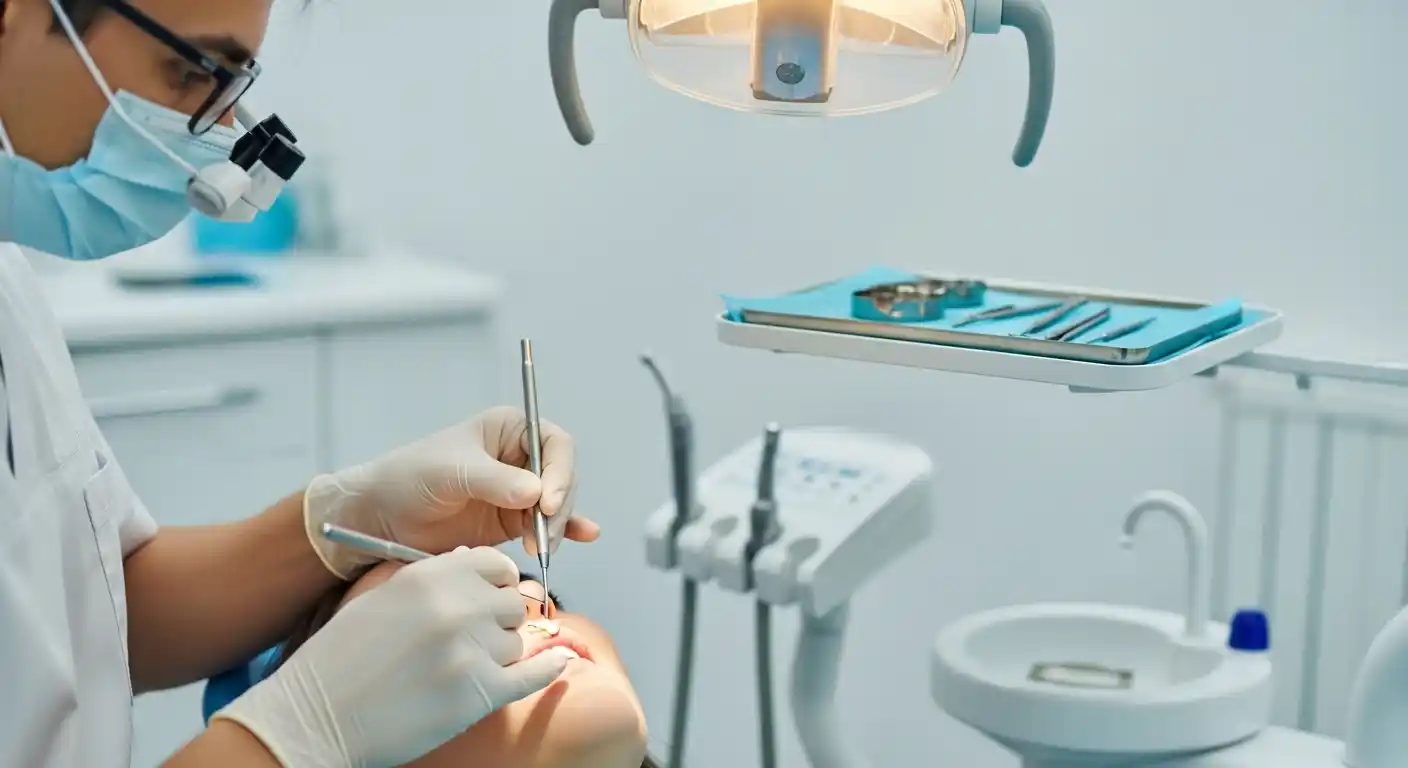
Tooth crowns are created and placed using either a traditional two-visit process or modern same-day technology, depending on the treatment plan and dental equipment available. Both methods are designed to ensure a precise fit, proper bite alignment, and a natural-looking result.
Traditional Two-Visit Procedure
During the first visit, the dentist numbs the area, reshapes the tooth to create space for the crown, and takes an impression using either dental putty or a digital scanner. This impression is sent to a dental lab where the permanent crown is made, and a temporary crown is placed to protect the tooth in the meantime. At the second visit, usually 1–2 weeks later, the temporary crown is removed, the permanent crown is checked for fit and appearance, adjusted if needed, and then permanently cemented in place.
Same-Day Crown Technology
With CAD/CAM systems like CEREC, the entire process can be completed in a single visit. After preparing the tooth, the dentist takes a digital scan and designs the crown on a computer, which is then milled from a ceramic or zirconia block in-office within minutes. The crown is then fitted, adjusted, and cemented the same day, eliminating the need for a temporary crown or a second appointment.
How to Care for Tooth Crowns
Caring for a crown is straightforward, but consistency matters. The crown itself cannot decay, but the underlying tooth and surrounding gum tissue remain vulnerable to gum disease and decay at the margin where the crown meets the tooth.
- Brush twice daily using a soft-bristle toothbrush and fluoride toothpaste. Pay special attention to the gumline around the crown.
- Floss daily to remove plaque and food debris from between teeth and along the crown margin. If regular flossing is difficult, a water flosser or interdental brush can help.
- Avoid hard foods like ice, hard candies, and whole nuts particularly if you have a ceramic or porcelain crown, which is more prone to chipping under impact.
- Avoid sticky foods like caramel or chewing gum, which can pull at the crown and potentially dislodge it, especially in the early weeks after placement.
- Wear a nightguard if you grind or clench your teeth. This protects the crown and your natural teeth from excessive wear.
- Attend regular dental check-ups every six months so your dentist can inspect the crown for wear, check the margin, and professionally clean the area.
- Limit staining beverages like coffee, tea, and red wine if you have a ceramic crown, although modern ceramic materials are reasonably stain-resistant.
With proper care, most quality crowns will serve you well for a decade or more.
Alternatives to Tooth Crowns
A crown is not always the only option. Depending on the extent of damage and your specific goals, your dentist may discuss one of the following alternatives:
Dental fillings are appropriate when damage or decay is limited and enough healthy tooth structure remains. Fillings are less invasive and less expensive than crowns, but they are not suitable for teeth with extensive damage or structural weakness.
Dental veneers are thin porcelain or composite shells bonded to the front surface of a tooth. They are primarily used for cosmetic purposes correcting discoloration, chips, or minor misalignment and are not appropriate for structurally compromised teeth.
Inlays and onlays are a middle-ground option between fillings and full crowns. An inlay fills the area within the cusps of a tooth, while an onlays extends to cover one or more cusps. They are ideal for teeth with moderate damage that doesn’t require a full crown but is too extensive for a simple filling.
Dental implants are recommended when a tooth is beyond saving. The damaged tooth is extracted, and a titanium post is surgically placed in the jawbone. Once healed, a crown is placed on top of the implant effectively replacing the entire tooth from root to cap.
When Should You See a Dentist?
Dental problems rarely resolve on their own and in many cases, waiting only makes them more complex and expensive to treat. See a dentist promptly if you notice any of the following:
- Tooth pain or sensitivity that persists, especially to hot, cold, or pressure
- A cracked, chipped, or fractured tooth, even if it isn’t causing pain yet a crack can deepen quickly
- A lost or broken filling, which leaves the underlying tooth exposed and vulnerable to decay
- Teeth that appear visibly worn down from grinding or acid erosion
- A loose, cracked, or missing crown the prepared tooth underneath has little structure left to protect itself and needs immediate attention
- Cosmetic concerns such as severe discoloration, misshapen teeth, or gaps that are affecting your confidence
Schedule Your Dental Crown Consultation in Mesa, AZ
If you’re looking for expert dental crown treatment in Mesa, our team at U Smile Dental is here to help you restore your smile with the right solution for your needs. Schedule a consultation today to explore the best crown options for your teeth and get personalized care from experienced professionals.
Conclusion
Tooth crowns are made from a variety of materials, including porcelain, ceramic, zirconia, metal, and composite resin, each offering different benefits in terms of strength, durability, and appearance. The best choice depends on factors like the tooth’s location, your bite, aesthetic goals, and budget, making it important to consult your dentist to find the most suitable option for your needs.
Frequently Asked Questions
What is the best material for tooth crowns?
The best material depends on your needs, but zirconia is often considered one of the top choices due to its strength, durability, and natural appearance.
Are zirconia crowns better than porcelain?
Zirconia crowns are generally stronger and more durable, while porcelain crowns offer superior aesthetics, especially for front teeth.
How long do tooth crowns last?
With proper care, most tooth crowns last between 10 and 15 years, and some can last even longer depending on the material and oral hygiene.
Do tooth crowns look natural?
Yes, especially porcelain, ceramic, and zirconia crowns, which are designed to closely match the color, shape, and translucency of natural teeth.
Are metal crowns still used today?
Yes, metal crowns are still used, particularly for back teeth, because of their exceptional strength and long lifespan, although they are less common for visible teeth.