
A dental crown itself cannot get infected because it’s an artificial cap, but the natural tooth underneath or the surrounding gums absolutely can. If bacteria slip under the crown due to decay, a poor fit, or damage, an infection can develop and lead to pain, swelling, or even an abscess.
In short, what people call an “infected crown” is usually an infection beneath or around it. This can become serious if ignored, but with early detection and proper dental care in Mesa, Arizona, it’s highly treatable. Understanding why it happens and recognizing the symptoms early can help you protect your tooth and avoid more complex procedures.
Can a Dental Crown Actually Get Infected?
There’s a common misconception worth clearing up: a dental crown itself does not get infected. Crowns are artificial restorations; they don’t have nerves, blood vessels, or living tissue. They don’t decay the way natural enamel does, and bacteria can’t infect the crown material directly. So if someone tells you your crown is infected, what they really mean is that the biological structures associated with it are in trouble.
Infection can occur in two main areas. First, the natural tooth that lives beneath the crown including its root and pulp can become infected if bacteria manage to get underneath the crown. Second, the gum tissue that surrounds the base of the crown can develop an infection, particularly if plaque and bacteria accumulate at the gumline over time.
In both cases, bacteria are the primary culprit. The mouth is home to hundreds of bacterial species, and when they find an entry point whether through a failing crown seal, damaged gum tissue, or compromised oral hygiene they can cause significant harm to the living tissue underneath and around the crown.
What Causes Infection Under a Dental Crown?
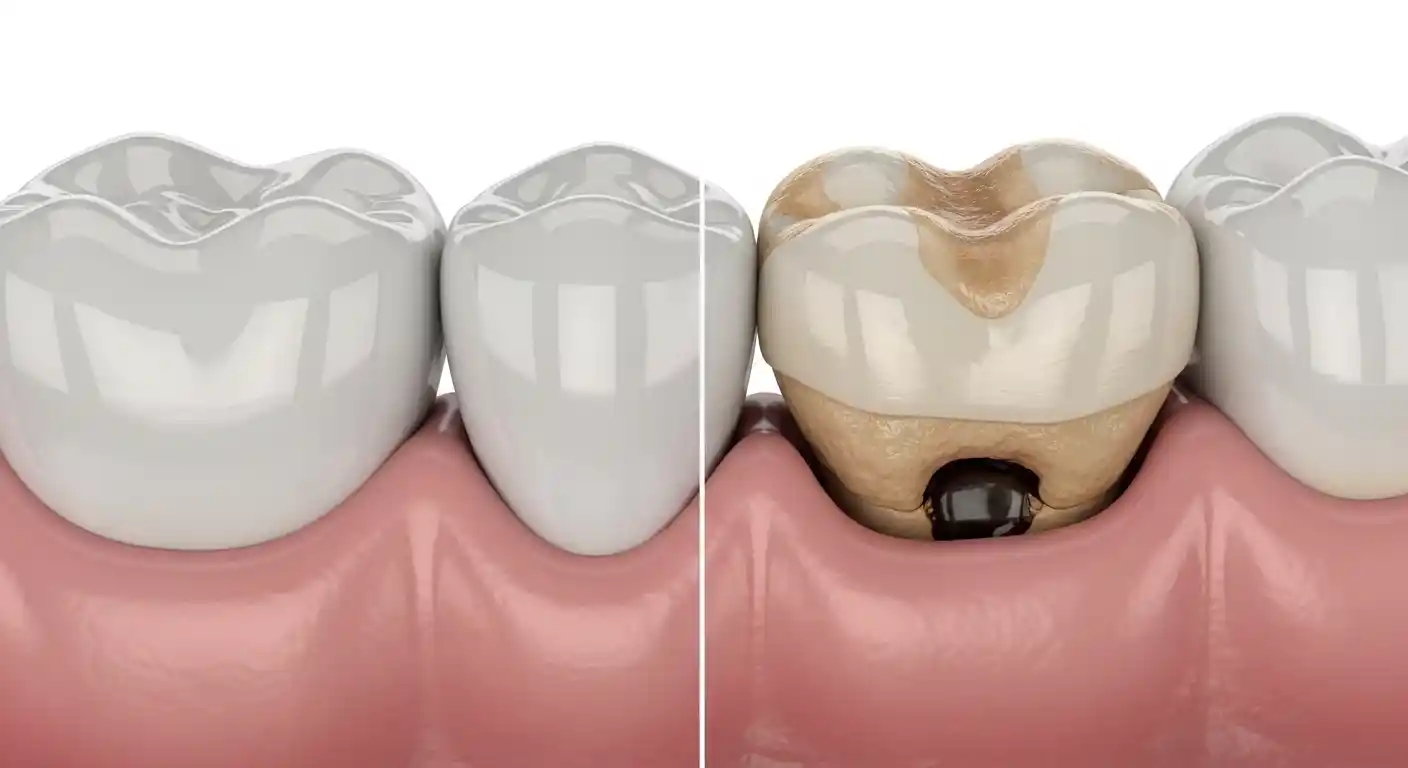
Several distinct factors can lead to infection developing in or around a crowned tooth. Knowing these causes can help you take preventive action before a problem starts.
Tooth Decay Under the Crown
Even though the crown itself doesn’t decay, the tooth underneath it can. If the crown’s seal weakens over time, which is especially common with older crowns or crowns that weren’t fitted precisely, bacteria can seep beneath it and attack the remaining natural tooth structure. This type of decay is particularly tricky because it develops out of sight, often causing no obvious symptoms until it’s quite advanced. By the time you feel pain, the infection may already be well established.
Gum Disease Around the Crown
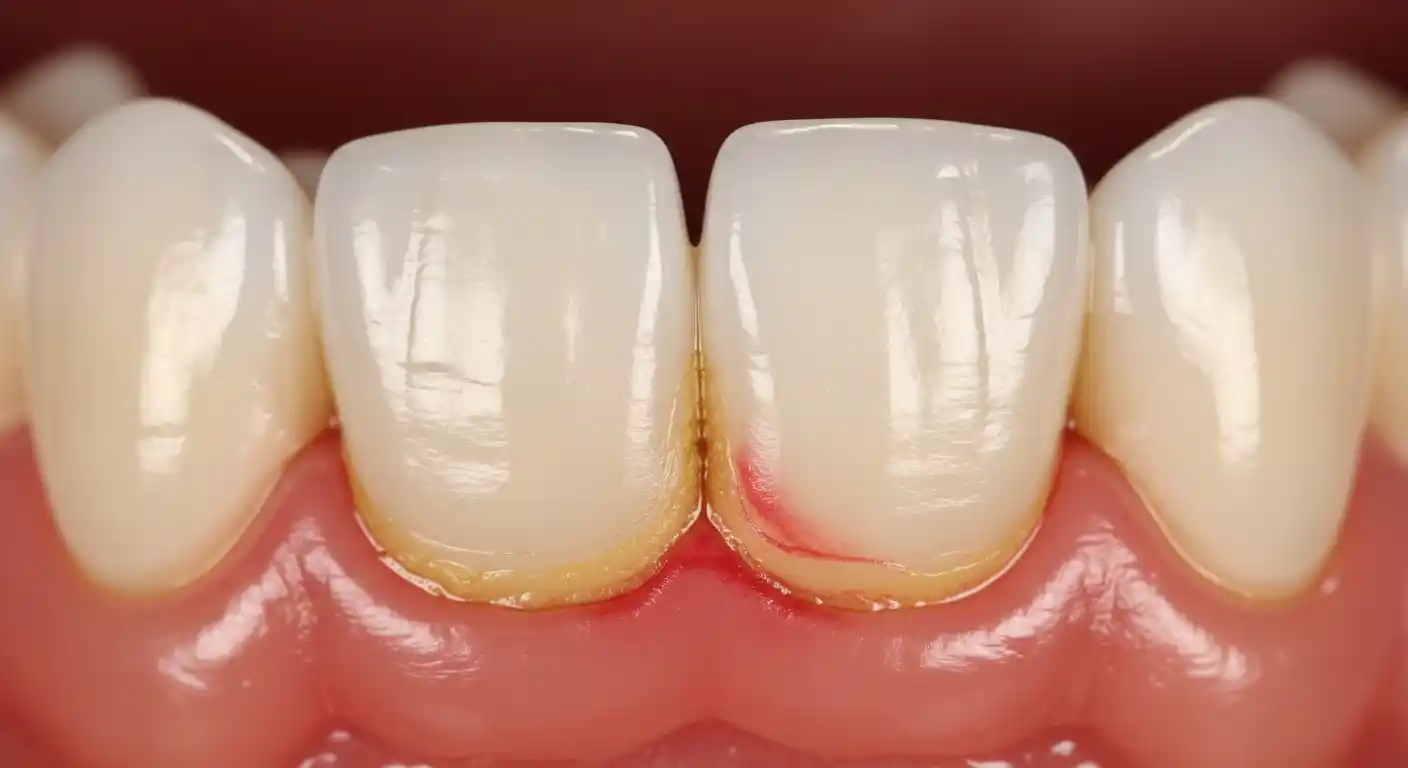
The junction between the crown and the gumline is a vulnerable zone. Plaque the sticky film of bacteria that constantly forms on teeth tends to accumulate right at this margin. If it isn’t removed consistently through brushing and flossing, it irritates the gum tissue, leading to gingivitis and eventually periodontitis. Once the gums become infected and begin to recede, they expose more of the tooth root, which can then become susceptible to decay and deeper infection.
Cracked or Loose Crown
A crown that has cracked, chipped, or become loose no longer provides a complete protective seal over the underlying tooth. This creates gaps through which bacteria can easily migrate and colonize the space between the crown and the tooth. Even a hairline crack in the crown material can be enough for bacteria to find their way in, and a loose crown that rocks or moves slightly with chewing is especially problematic.
Poor Oral Hygiene
Some patients assume that once they have a crown, the tooth is fully protected and requires less attention. This is a dangerous misconception. Skipping regular brushing and flossing allows plaque to build up around the crown’s edges, dramatically increasing the risk of both gum disease and decay beneath the crown. Crowns require the same if not more diligent oral care as natural teeth.
Failed Root Canal
Many crowns are placed on teeth that previously received a root canal treatment. Root canals remove the infected pulp from inside the tooth, but in rare cases, bacteria can survive or re-enter the treated tooth over time. If a root canal fails, infection can re-establish itself deep within the tooth’s root system even years after the original procedure and a crown sitting on top of that tooth will not prevent the infection from developing or spreading.
Signs Your Dental Crown May Be Infected
Recognizing the warning signs of an infected crown early gives you the best chance of a straightforward, less invasive treatment. Here are the symptoms to watch for:
- Persistent tooth pain or sensitivity particularly to hot, cold, or sweet stimuli that lingers well after the trigger is removed.
- Swollen or bleeding gums inflammation around the base of the crown that doesn’t resolve with brushing.
- Bad taste or odor in the mouth: a persistent unpleasant taste or smell, even after brushing, can indicate the presence of pus or bacterial activity.
- Pus around the crown visible discharge near the gumline is a clear sign of active infection.
- Fever or facial swelling are signs of a more serious, potentially spreading infection and warrant immediate dental attention.
- Pain when biting or chewing discomfort when pressure is applied to the crowned tooth suggests something is wrong with the underlying tooth or surrounding tissue.
What Happens If a Crown Gets Infected?
Leaving a crown-related infection untreated is not a viable option. The infection will not resolve on its own, and over time, it can cause escalating damage. Understanding what’s at stake makes the urgency clear.
Bacterial infection beneath a crown can spread downward through the tooth root and into the surrounding jawbone, a condition called osteomyelitis. From there, it can potentially travel to neighboring teeth, undermining their structural integrity even if those teeth were previously healthy. The infection can also trigger the formation of a dental abscess, a painful pocket of pus that forms at the root tip or in the gum tissue which causes intense, throbbing pain and significant swelling.
In the most severe and neglected cases, a dental infection can become a systemic health threat, entering the bloodstream and affecting other organs. While this is relatively rare, it underscores why dental infections, even those that seem manageable should never be ignored. Tooth loss is also a very real possibility when infection is allowed to progress without treatment.
How Is an Infected Crown Treated?
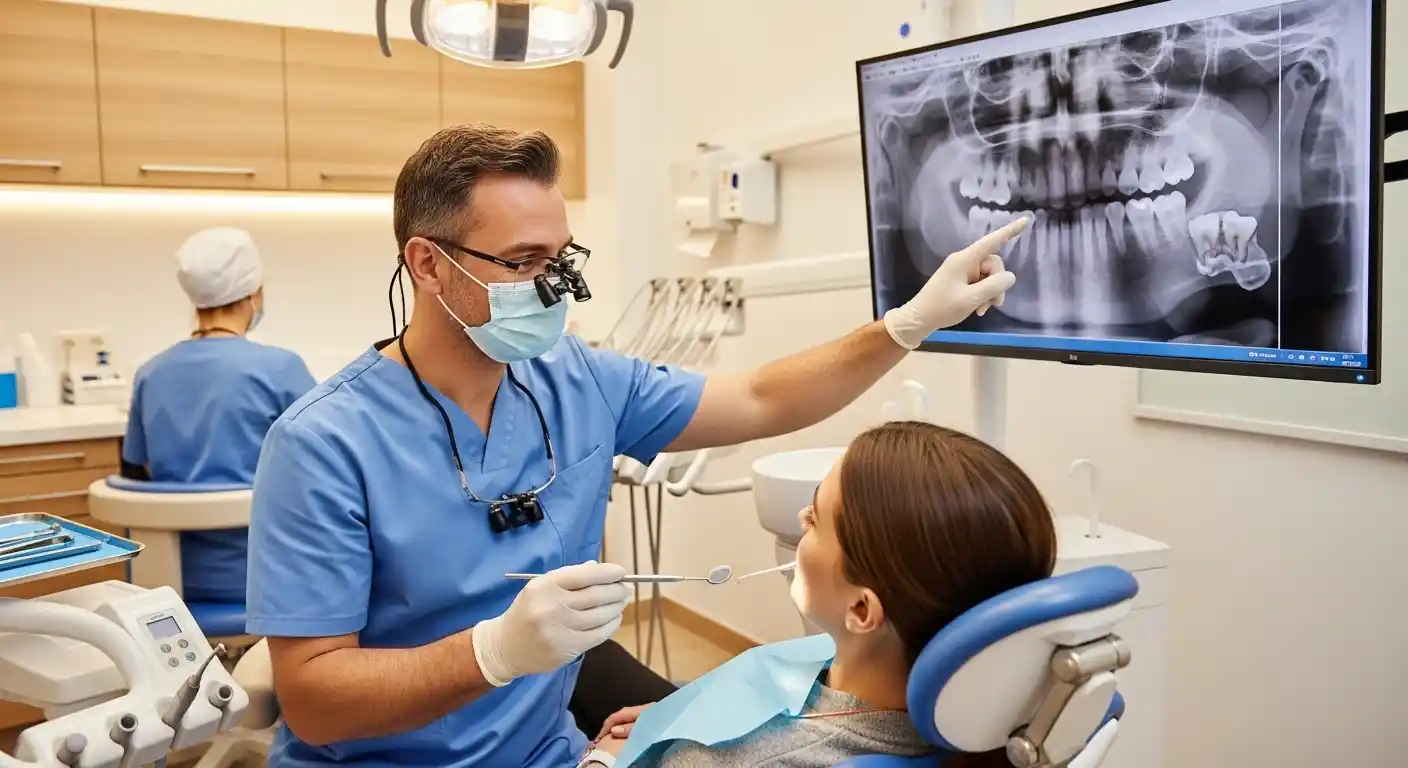
The appropriate treatment depends on the severity and location of the infection, as well as the condition of the crown and the underlying tooth.
Dental Cleaning & Antibiotics
For infections confined to the gum tissue such as early-stage gum disease around a crown a professional dental cleaning may be sufficient to remove the bacterial buildup causing the problem. Your dentist may also prescribe a course of antibiotics to clear the infection and reduce inflammation. This is typically the least invasive treatment path and works well when the problem is caught early.
Root Canal Treatment
If the infection has reached the pulp of the tooth the inner chamber containing nerves and blood vessels a root canal is typically necessary. During this procedure, the dentist or endodontist removes the infected pulp, cleans and disinfects the inner canals of the tooth, and seals everything to prevent re-infection. In many cases, the existing crown can be removed, the root canal performed, and a new crown placed afterward to restore the tooth.
Crown Replacement
If the crown itself is the source of the problem for example, if it has a poor fit, a damaged seal, or a crack that’s allowing bacteria to infiltrate the crown will need to be replaced. A new, properly fitted crown can restore the protective barrier and, together with any other necessary treatment, help prevent the infection from returning.
Tooth Extraction
When the infection is severe and has caused extensive damage to the tooth structure, the surrounding bone, or the neighboring teeth, extraction may be the only viable option. While dentists always prefer to save natural teeth, removing a tooth that is beyond repair is sometimes necessary to stop the spread of infection and protect your overall oral health. Following extraction, options like dental implants or bridges can replace the missing tooth.
Can You Prevent Infection Under a Crown?
The good news is that the vast majority of crown-related infections are entirely preventable with consistent care and regular professional oversight. Here’s what works:
- Brush twice daily with fluoride toothpaste, use a soft-bristled brush and take care to clean along the gumline where the crown meets the gum.
- Floss carefully around the crown every day flossing dislodges plaque from areas your toothbrush simply cannot reach, especially at the critical margin between the crown and gum.
- Attend regular dental checkups, professional cleanings remove hardened plaque (tartar) that brushing can’t address, and routine X-rays can catch decay beneath a crown before it becomes a serious problem.
- Avoid sticky and hard foods chewing ice, hard candy, or very sticky foods can crack or dislodge a crown, creating an entry point for bacteria.
- Have loose or damaged crowns checked immediately, don’t wait out discomfort or ignore a crown that feels different. A quick dental visit can prevent a minor issue from becoming a major infection.
When Should You See a Dentist?
While some mild sensitivity after a crown is placed is normal and temporary, there are clear signals that should prompt a dental visit without delay:
- Pain that persists for more than one to two days particularly if it’s worsening rather than improving.
- Swelling around the crown or in the face and jaw, which can indicate a spreading infection.
- Visible pus or discharge near the gumline around the crown.
- A crown that feels loose, rocks when you bite, or has visibly shifted.
- Fever or significant discomfort that affects your daily functioning these symptoms suggest the infection may be advancing beyond the tooth.
When in doubt, err on the side of caution and call your dentist. Dental infections don’t resolve on their own, and the sooner they’re addressed, the simpler and less costly the treatment is likely to be.
How Long Do Dental Crowns Last Without Problems?
A well-made and properly maintained dental crown typically lasts 10 to 15 years, though many can last longer with good care. Its lifespan depends on factors like the material used, where it’s placed in the mouth, and how well you maintain your oral hygiene.
Crowns on back teeth tend to wear down faster due to heavy chewing, while habits like grinding or clenching can significantly shorten their lifespan. Although porcelain crowns offer a natural look, they may be more prone to chipping compared to metal or porcelain-fused-to-metal options.
The best way to extend the life of your crown is through regular dental checkups and good oral hygiene. Routine visits allow your dentist to catch early signs of wear, decay, or gum issues helping you avoid infections and keep your crown functioning properly for years.
Get Expert Care for Your Dental Crown in Mesa, Arizona
If you’re noticing pain, swelling, or any signs of infection around your dental crown, don’t wait for it to get worse. Early treatment can save your tooth, prevent complications, and restore your comfort quickly.
At U Smile Dental, our experienced team provides thorough evaluations and personalized treatment to keep your smile healthy and strong. Schedule your appointment today and let us help you protect your crown and your overall oral health with care you can trust.
Conclusion
While a dental crown itself cannot become infected, the tooth beneath it and the surrounding gums are still vulnerable to bacterial damage. Issues like decay under the crown, gum disease, or a loose fit can allow bacteria to enter and cause infection, often without immediate warning signs.
The good news is that these problems are highly preventable and treatable when caught early. By maintaining good oral hygiene, attending regular dental checkups, and addressing any unusual symptoms right away, you can protect your crown and keep your smile healthy for years to come.
Frequently Asked Questions
Can bacteria get under a dental crown?
Yes, bacteria can enter under a crown if there are gaps, a poor seal, or damage, leading to decay or infection beneath it.
How do I know if my dental crown is infected?
Common signs include persistent pain, gum swelling, sensitivity, bad taste, or pus around the crown.
Can an infected crown be treated without removing it?
In some cases, yes. Minor gum infections can be treated with cleaning and antibiotics, but deeper infections may require crown removal or replacement.
Is an infected crown a dental emergency?
It can become one if you experience severe pain, swelling, fever, or signs of an abscess. Immediate dental care is recommended.
How can I prevent infection under my crown?
Brush and floss daily, avoid damaging foods, and visit your dentist regularly to ensure your crown remains properly sealed and healthy.