
Most dentures last about 5 to 10 years, although some need replacing sooner and others remain usable longer. Their lifespan depends on the type of denture, daily care, and changes in your gums and jawbone. Complete dentures last around 10 years on average, but a dentist should check their condition and fit regularly.
At U Smile Family Dentistry in Mesa, AZ, patients can have their dentures examined when they become uncomfortable or stop fitting properly. Over time, your gums and jawbone change shape, while the denture itself stays the same. This can cause slipping, sore spots, or difficulty chewing. Knowing what affects denture lifespan can help you recognize problems early and decide when an adjustment or replacement may be needed.
How Long Do Dentures Last by Type?
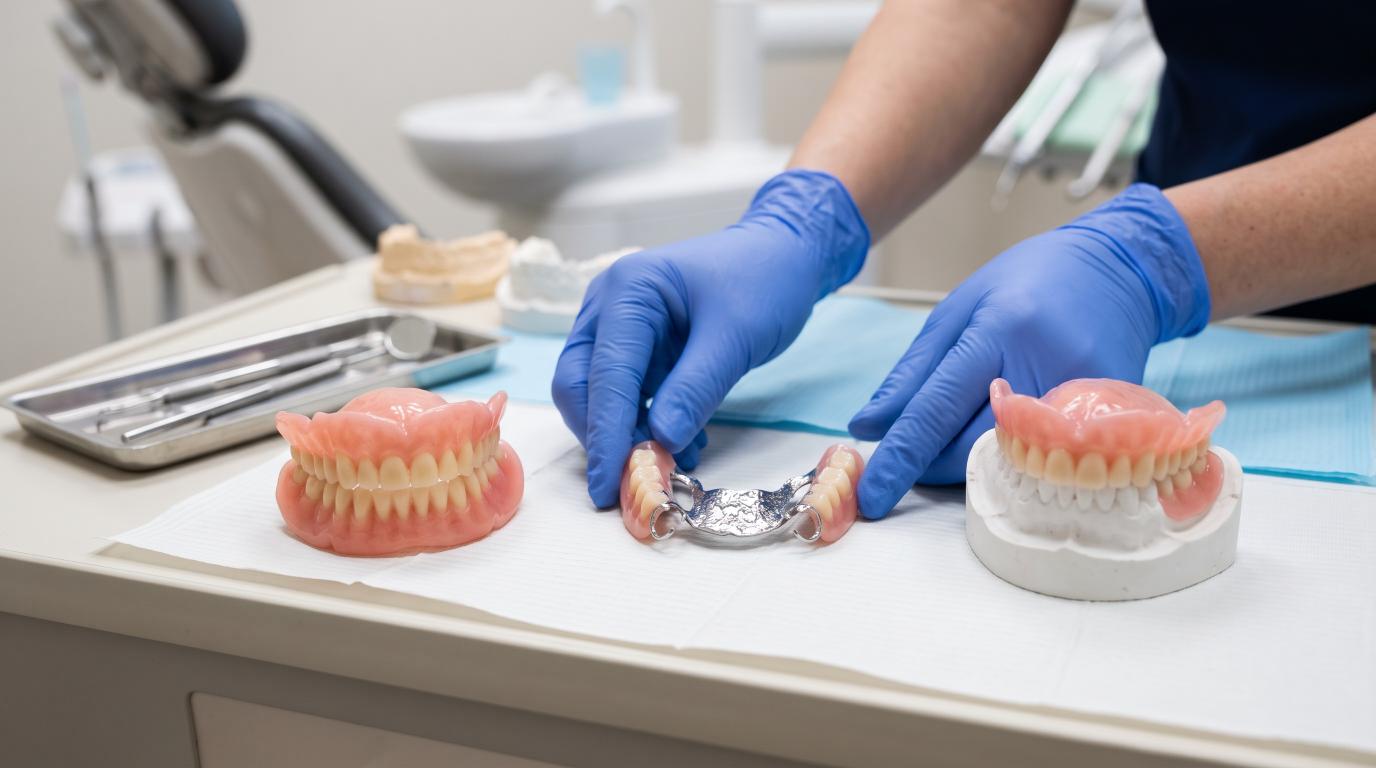
Different types of dentures have different lifespans. Complete and partial dentures can remain usable for several years, while immediate dentures may need more adjustments during healing. The condition of your gums, supporting teeth, and denture materials also affects how long each type lasts.
Complete Dentures
Complete dentures last about 10 years on average, although some need replacing earlier. They replace all the teeth in the upper jaw, lower jaw, or both. In a 2021 systematic review, Marietta Taylor and colleagues examined 42 studies and found an average complete denture lifespan of approximately 10.1 years. Upper dentures lasted about 10.3 years, compared with 8.6 years for lower dentures.
The researchers also found that denture failure became more common with age. Lower dentures may be harder to keep stable because they have less supporting area and are affected by tongue movement. Even if your dentures are still usable after several years, regular examinations can identify changes in their fit, condition, and comfort.
Partial Dentures
Partial dentures often last 5 to 10 years, depending on their materials, daily use, and the condition of the remaining natural teeth. These dentures replace one or more missing teeth and usually rely on neighboring teeth for support.
In a 1996 study, A. H. Vermeulen and colleagues followed 748 patients with removable partial dentures. Approximately 75% of the dentures remained in use after five years, while about 50% were still being used after ten years.
The study also found that some dentures developed problems with their metal frameworks over time. Keeping the supporting teeth healthy is important because tooth decay, gum disease, or tooth loss may affect how securely a partial denture fits.
Immediate Dentures
Immediate dentures are placed shortly after tooth extraction, so they often need adjustments as the gums and jawbone heal. Unlike conventional dentures made after healing, immediate dentures are designed to be worn during the healing period.
A 2025 Journal of Prosthetic Dentistry study compared 195 conventional dentures with 113 immediate dentures. The researchers found that immediate dentures had more problems requiring follow-up care and a higher failure rate during the five-year study period.
However, this does not mean every immediate denture needs replacing quickly. Some patients only need adjustments or relining, while others may benefit from a new set after healing. Your dentist can recommend the right approach based on how your gums change.
Do Materials Change How Long Dentures Last?
Yes, denture materials affect their durability, resistance to wear, and maintenance needs. Many dentures have an acrylic resin base with artificial teeth made from acrylic or porcelain. Some partial dentures use metal frameworks, while others are made with flexible materials.
Each material has advantages and limitations:
- Acrylic resin: Commonly used for denture bases and teeth. It is relatively easy to adjust or repair but can wear over time.
- Porcelain: Resists some types of wear but may chip or fracture under certain conditions.
- Metal frameworks: Often used in partial dentures to provide support and stability.
- Flexible materials: Used for some partial dentures, although repairs and adjustments may be more difficult.
The best material depends on your bite, oral health, comfort, and budget.
Your dentist can help you compare the available options before choosing a new denture.
Do Permanent (Implant-Supported) Dentures Last Longer?
Implant-supported dentures can provide greater stability than traditional removable dentures, but their lifespan depends on the restoration, implant health, and maintenance. Dental implants are placed in the jawbone to support replacement teeth. Depending on the design, the denture may snap into place or remain fixed to the implants.
Although these restorations are sometimes called permanent dentures, the term does not mean they last forever. The artificial teeth, denture base, and attachment components may wear down or require repair. Implants also need healthy surrounding bone and gums to remain stable. A dentist should examine both the implants and the attached restoration during regular visits.
Why Dentures Wear Out and Do Not Last Forever
Dentures wear out because of daily use and natural changes in your mouth. Even a well-made denture can become loose or uncomfortable as the gums and jawbone change.
Several factors affect how quickly these problems develop.
- Jawbone loss: After teeth are removed, the jawbone gradually changes shape. This may cause dentures to become loose. If significant bone loss affects future implant treatment, your dentist may discuss bone grafting as part of the treatment plan.
- Daily wear: Chewing gradually wears down artificial teeth. This can change how your upper and lower dentures meet.
- Changes in body weight: Weight changes and changes in oral tissues may affect how dentures fit.
- Grinding and clenching: Excess pressure can wear down artificial teeth, damage the base, or cause cracks.
- Scratches and stains: Improper cleaning and daily use can leave marks on denture materials. Small scratches may also collect food particles and bacteria.
These changes often happen slowly. Regular dental visits help identify problems before they begin affecting your daily comfort.
What Is the Difference Between a Reline, Rebase, and Replacement?
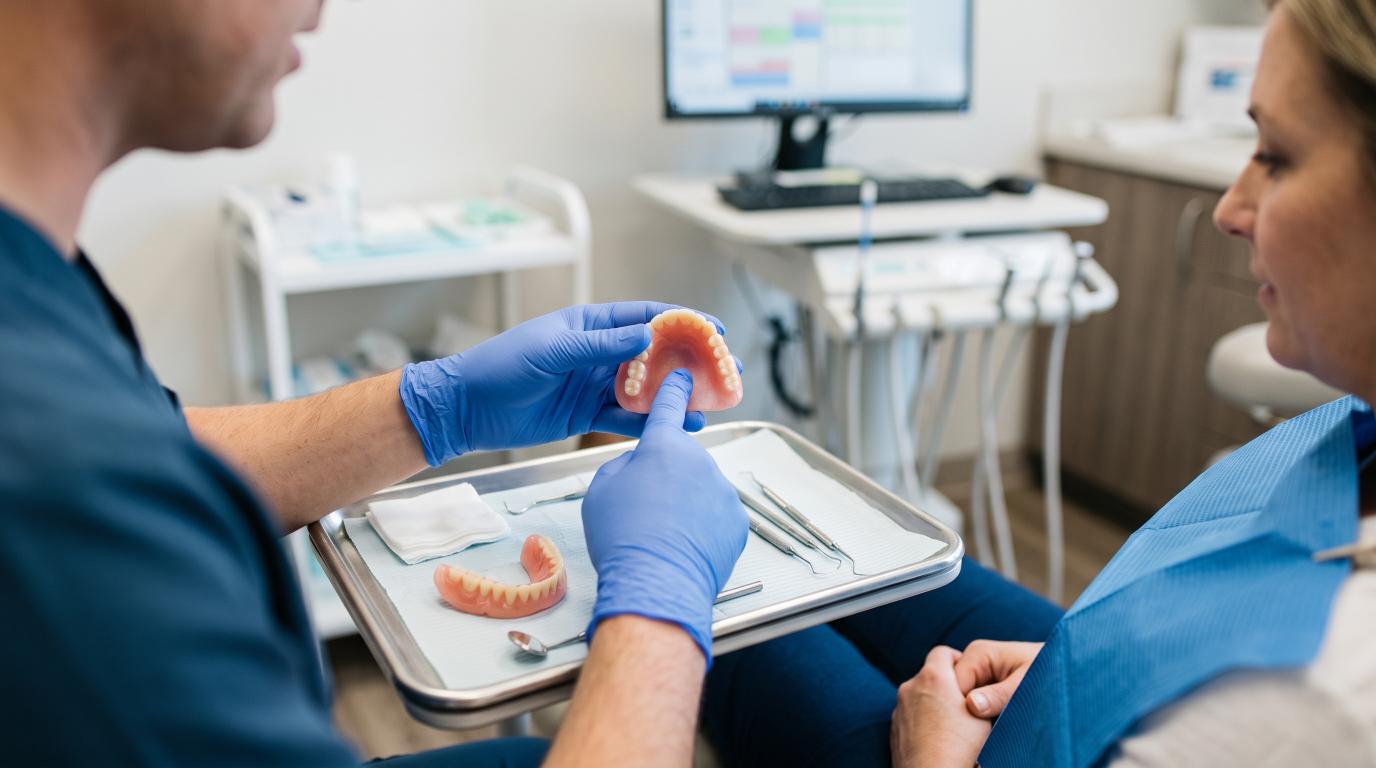
A denture reline improves the fit of the existing base, rebasing replaces the base while keeping the artificial teeth, and replacement involves making a new denture.
The right option depends on the condition of your dentures and the changes in your mouth.
| Option | What It Does | When It May Help |
| Reline | Adds new material to the tissue-facing surface of the denture | The denture feels loose, but its teeth and base remain in good condition |
| Rebase | Replaces the denture base while keeping the existing artificial teeth | The base needs replacing, but the artificial teeth are still usable |
| Replacement | Creates a completely new denture | The teeth are worn, the denture is damaged, or the fit cannot be corrected adequately |
A dental examination helps determine whether your existing dentures can be adjusted or need replacing.
According to the American College of Prosthodontists, dentures should be evaluated for possible replacement after more than five years of use or when problems develop. This does not mean every denture must be replaced after five years. The decision depends on its condition, fit, and effect on your oral health.
How Often Do Dentures Need a Reline?
Dentures need relining when changes in your gums affect their fit. There is no fixed schedule because everyone’s mouth changes differently. Relining is particularly common during the months after tooth extraction, when the gums and jawbone are healing.
Two types of relines are commonly used:
Soft reline: A flexible material is added to the inner surface of the denture. It may help patients with sensitive gums or those experiencing changes during healing.
Hard reline: A firmer material is used to improve the fit of an existing denture. Depending on the procedure, it may be completed in the office or require a dental laboratory.
Your dentist will assess the denture’s condition before recommending either option.
Signs It Is Time to Replace Your Dentures

Loose dentures, repeated sore spots, visible damage, and difficulty chewing are common signs that your dentures need professional attention. However, these problems do not always mean you need a completely new set. Some can be corrected with an adjustment, repair, or reline. The following warning signs can help you recognize when to schedule an examination.
Your Dentures Slip or Feel Loose
Dentures that move while eating, speaking, or laughing may no longer fit your gums properly. This often happens because the jawbone changes shape over time. A dentist can determine whether relining will restore the fit or if replacement is necessary.
The Base or a Tooth Is Cracked or Chipped
Cracks, chips, or broken artificial teeth can affect how your dentures function. Even minor damage may worsen with continued chewing. A damaged edge can also irritate your gums. Have the denture examined before attempting to use it again.
Sore Spots Keep Coming Back
Recurring sore spots may mean your dentures are placing too much pressure on certain areas of your gums. If the discomfort returns after an adjustment, the fit may need further attention. Persistent pain or irritation should always be checked by a dentist.
Chewing Feels Harder
Worn denture teeth or a poor fit can make chewing uncomfortable. You may notice that certain foods are harder to eat or that you need more time to finish meals. A dental examination can help identify whether the problem comes from worn teeth, an unstable denture, or changes in your bite.
The Teeth Look Worn or Stained
Artificial teeth can lose their original shape and appearance after years of use. Deep stains, flattened chewing areas, and visible wear may indicate that the denture is aging. Some stains can be removed professionally, but extensive wear may require replacing the affected teeth or the entire denture.
You Notice a Bad Smell or Red Gums
Persistent bad breath, red gums, or irritation beneath dentures may indicate poor cleaning, an improper fit, or a possible oral infection. These symptoms should not be ignored, especially if they continue despite regular cleaning. A dentist can examine your mouth and recommend appropriate treatment.
Your Face or Bite Looks Different
Changes in your jawbone and denture fit may affect how your teeth meet or how your lower face is supported. You might notice that your bite feels uneven or that your dentures no longer provide the same support. Your dentist can assess whether an adjustment or replacement would improve the fit and function.
Can You Fix Dentures at Home?
No, broken dentures should not be repaired with household glue or do-it-yourself methods. These products can damage the denture, affect its fit, or introduce unsafe materials into your mouth. Trying to repair a cracked base or reattach an artificial tooth without professional help may make the damage worse.
If your denture breaks:
- Stop wearing it if it is broken or causes discomfort.
- Keep all the broken pieces in a safe container.
- Avoid using super glue or household adhesives.
- Contact your dentist to arrange an examination.
Some damage can be repaired, while other problems require a new denture. If you have significant pain, an injury, or difficulty eating because of a broken denture, contact a dentist promptly. U Smile Family Dentistry provides emergency dental care in Mesa, AZ. Call the office to ask about urgent appointment availability.
How to Make Your Dentures Last Longer
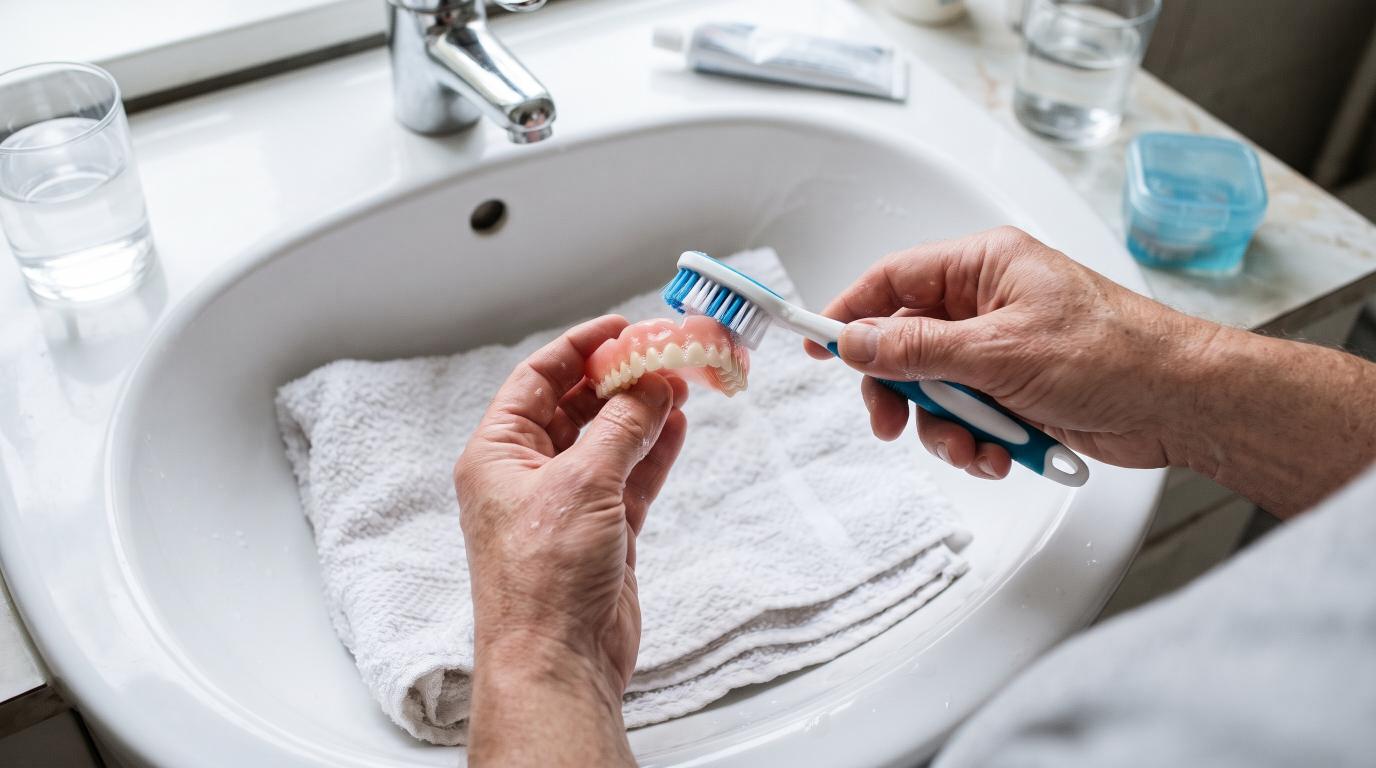
Daily cleaning, careful handling, and regular dental visits can help keep your dentures in good condition. The American Dental Association recommends cleaning dentures regularly and storing removable dentures properly when they are not being worn. The following habits can help reduce unnecessary wear and damage.
Rinse Your Dentures After Meals
Rinse removable dentures after eating to wash away loose food particles. Food trapped around the denture can contribute to unpleasant odors and irritation. Use cool or lukewarm water and handle the denture carefully while rinsing.
Brush Them Every Day
Clean your dentures daily using a soft-bristled brush and a suitable nonabrasive denture cleanser. Avoid harsh cleaning products that may scratch the material. Brush all surfaces gently, including the areas that rest against your gums. Follow the instructions provided with your denture cleaner.
Use Lukewarm Water, Not Hot
Hot water can change the shape of certain denture materials and affect their fit. Use cool or lukewarm water when rinsing and cleaning your dentures. Avoid boiling water, even if you are trying to remove stains or disinfect them.
Take Them Out at Night
Removable dentures should generally be taken out while sleeping to give your gums time to rest. Store them in water or a denture-soaking solution recommended by your dentist. Follow the cleaning and storage instructions for your specific denture material. Fixed implant-supported restorations are not removed at home.
Handle Them Over a Towel
Dentures can crack or break if dropped onto a hard surface. When cleaning them, stand over a folded towel or a sink filled with water. This simple precaution can help prevent accidental damage.
Clean Your Mouth Too
Keeping your mouth clean is important even if you no longer have natural teeth. Gently brush your gums, tongue, and the roof of your mouth with a soft brush. If you wear partial dentures, continue brushing and flossing your natural teeth to protect the teeth that support them.
Keep Your Dental Check-Ups
Regular dental visits help identify changes in your dentures and oral tissues. Your dentist can check for worn artificial teeth, cracks, loose fittings, and irritation. Even when your dentures feel comfortable, professional examinations remain important for maintaining oral health.
Should You Switch to Dental Implants?
Dental implants may be worth considering if your dentures frequently slip, feel unstable, or make chewing difficult. However, they are not the best option for everyone. Implants are placed in the jawbone and can support different types of replacement teeth, including implant-supported dentures.
Compared with traditional removable dentures, implant-supported options can provide better retention and may improve chewing comfort for some patients. Implants can also help preserve bone around the implant sites, although they do not prevent every type of jawbone change. Treatment suitability depends on several factors, including:
- The amount and condition of your jawbone
- Your overall and oral health
- The number of implants needed
- Your treatment goals and budget
U Smile Family Dentistry offers dental implants in Mesa, AZ. The practice also advertises a free implant consultation, with certain restrictions. This consultation can help you understand whether implant treatment may be suitable for your needs.
What Happens at a Denture Check-Up?
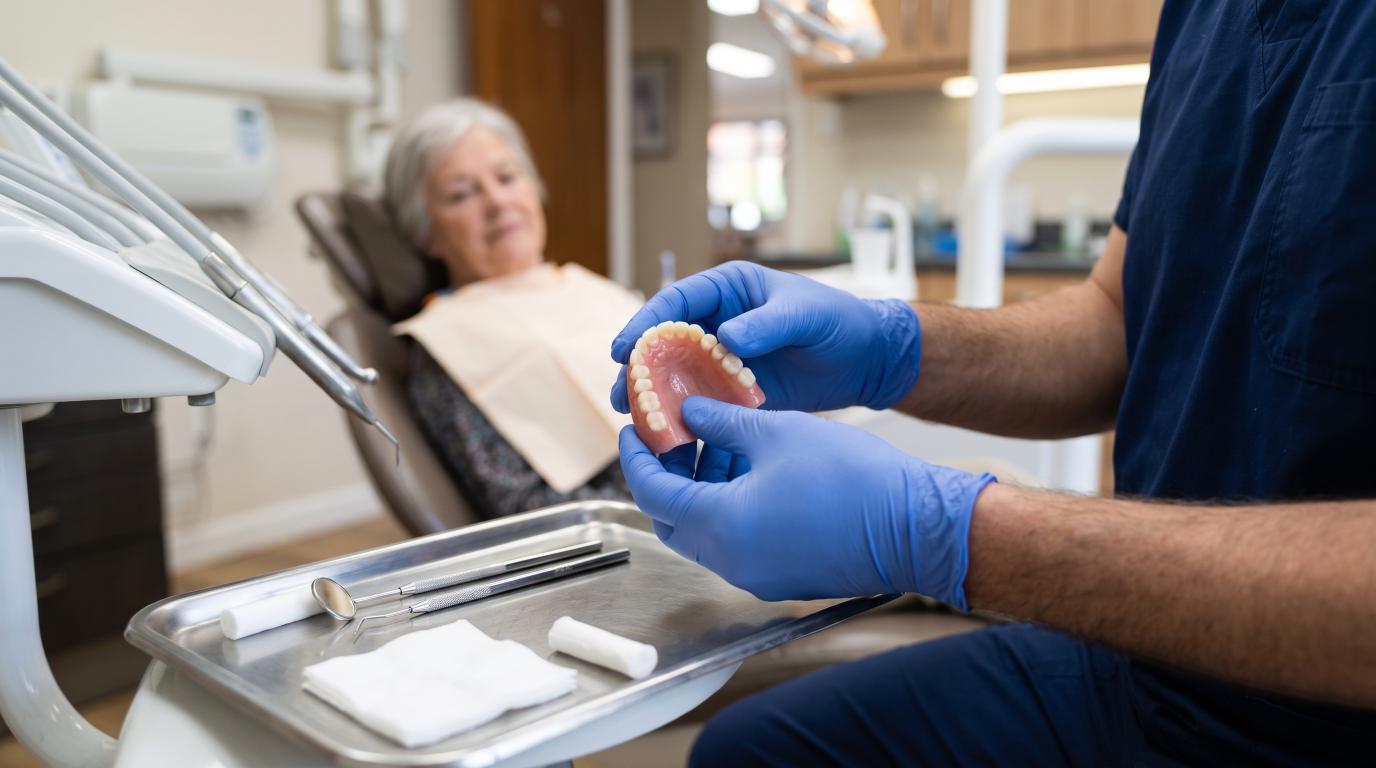
During a denture check-up, your dentist examines the fit, condition, and function of your dentures and checks the health of your gums and surrounding oral tissues.
The examination may include checking for:
- Loose or unstable dentures
- Worn or damaged artificial teeth
- Cracks in the denture base
- Sore spots or gum irritation
- Changes in your bite
- Signs of infection or other oral health concerns
Your dentist may recommend an adjustment, reline, repair, or replacement based on the findings. For many patients, an annual examination is a useful starting point, although the recommended schedule depends on individual needs. You should arrange an earlier visit if your dentures become uncomfortable, damaged, or difficult to use.
Book a Denture Check-Up in Mesa, AZ
If your dentures feel loose, cause discomfort, or show signs of wear, a dental examination can help you understand whether an adjustment, repair, or replacement is needed.
At U Smile Family Dentistry in Mesa, AZ, Dr. Tia Khoshaba can examine your dentures, gums, and bite to identify problems affecting their fit and comfort. Our team can also explain available denture care options and help you choose the next step based on your needs. Don’t wait until worn or poorly fitting dentures affect your daily comfort. Schedule a denture check-up today or call (480) 764-3996 to speak with our team.
Conclusion
Dentures do not last forever, but proper care and regular dental examinations can help you get the most from them. Changes in your gums, jawbone, and denture materials can affect their fit over time. Recognizing problems such as slipping, discomfort, or difficulty chewing allows you to address them before they become more serious.
If you notice changes, make a note of when they occur and discuss them with your dentist. An adjustment or reline may be enough to improve comfort, while a replacement may be necessary when the denture is too worn or damaged. The goal is not simply to keep the same dentures for as many years as possible. It is to maintain a comfortable fit, proper chewing function, and good oral health.
Frequently Asked Questions
Is it OK to wear dentures all the time?
No, removable dentures should generally be taken out at night. Wearing them continuously may increase the risk of gum irritation and denture-related infections. Removing them also gives you an opportunity to clean the denture and your mouth properly.
How long do permanent dentures last?
Implant-supported dentures may remain functional for many years, but there is no single lifespan that applies to every restoration. The artificial teeth, base, and attachment components can wear out or need repairs. Regular dental visits help monitor the condition of the restoration and supporting implants.
Can old dentures harm my health?
Yes, old or poorly fitting dentures can cause mouth sores, gum irritation, and difficulty chewing. Poor cleaning may also contribute to oral infections. If your dentures cause discomfort or no longer fit securely, schedule a dental examination.
Can denture adhesive fix a loose denture?
No, denture adhesive cannot permanently correct a poor fit. It may provide temporary support, but it does not address changes in the gums or denture base. If you increasingly rely on adhesive to keep your dentures secure, ask your dentist about a reline or replacement.
Do I still need dental visits if I have full dentures?
Yes, regular dental visits remain important even if you have no natural teeth. Your dentist checks your gums, jawbone, oral tissues, and denture fit. These examinations can identify irritation, damage, or other oral health problems before they become more serious.