
The main difference between a dentist and an orthodontist is the type of care they provide. A general dentist helps keep your teeth and gums healthy through checkups, cleanings, fillings, and other dental treatments. An orthodontist is a dental specialist who focuses on straightening teeth and correcting bite and jaw alignment problems. Orthodontists complete additional specialty training after dental school. Understanding these differences can help you decide which provider is right for your needs.
At U Smile Family Dentistry in Mesa, AZ, we provide family dental care, including routine checkups, emergency dental services, implants, and clear aligner treatment. Our team can evaluate your dental needs and help you understand your treatment options.
How Is a Dentist Different From an Orthodontist?
A general dentist focuses on your overall oral health, while an orthodontist specializes in the position of your teeth and jaws. Both complete dental school, but orthodontists receive additional training in diagnosing and treating alignment and bite problems.
| Category | General Dentist | Orthodontist |
|---|---|---|
| Main focus | Teeth, gums, and overall oral health | Tooth alignment and bite correction |
| Training | Dental school | Dental school plus orthodontic specialty training |
| Common treatments | Checkups, cleanings, fillings, and crowns | Braces, clear aligners, and retainers |
| Main purpose | Prevent and treat common dental problems | Correct crooked teeth and bite issues |
Some general dentists also provide orthodontic treatment, particularly with clear aligners. The right provider depends on your dental needs, the complexity of your case, and the provider’s training.
What Does a Dentist Do?
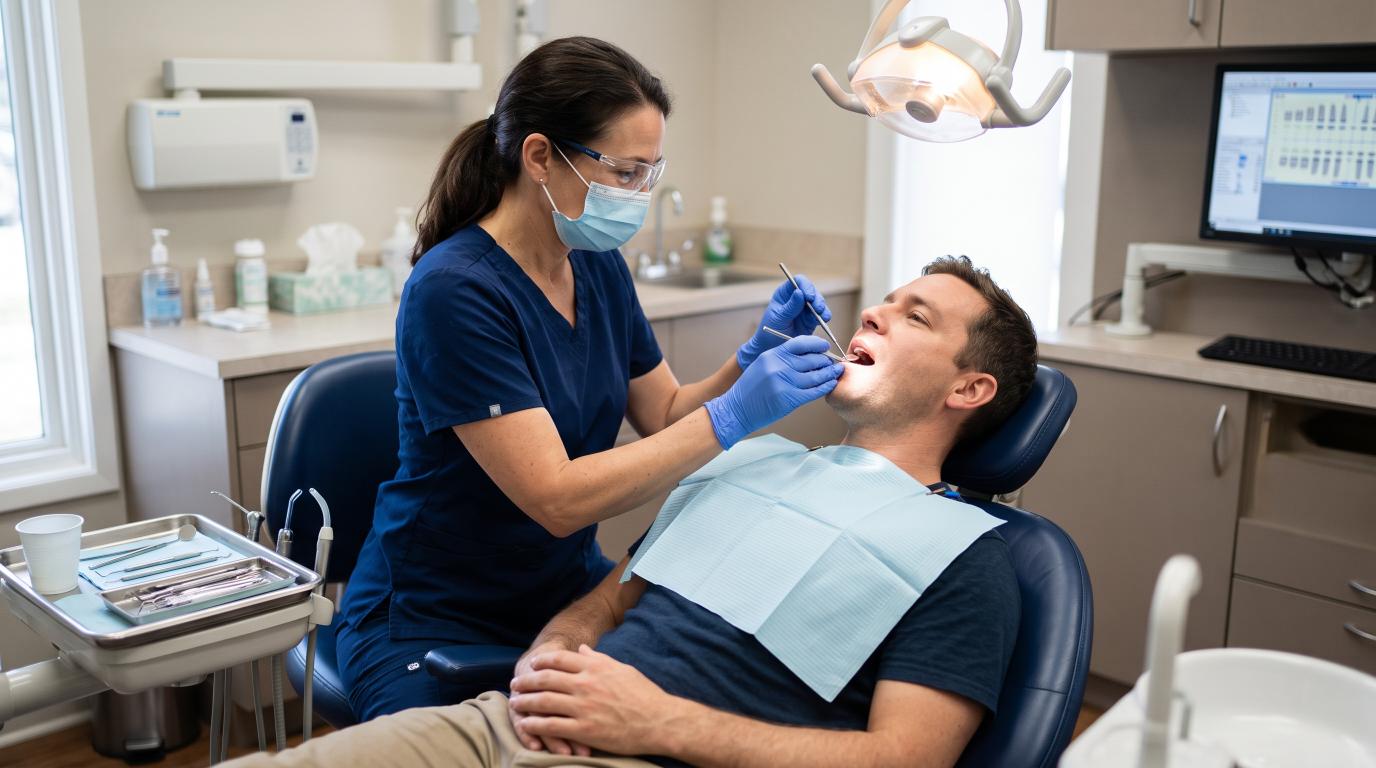
A dentist finds, prevents, and treats common problems in your teeth, gums, and mouth. Most people see a dentist first. At a regular visit, the dentist checks for cavities, looks at your gums, and takes x-rays when needed. The dental team also cleans off germs and hard buildup that brushing cannot remove. If a problem shows up, the dentist can fix it with fillings, crowns, root canals, or by taking out a tooth that cannot be saved.
A dentist also helps when something goes wrong fast. If you have a broken tooth or bad pain, you should not wait. U Smile Family Dentistry offers same day emergency dentistry in Mesa, so you can get help quickly. Regular visits matter too, because small problems are easier to fix when they are caught early.
What Does an Orthodontist Do?
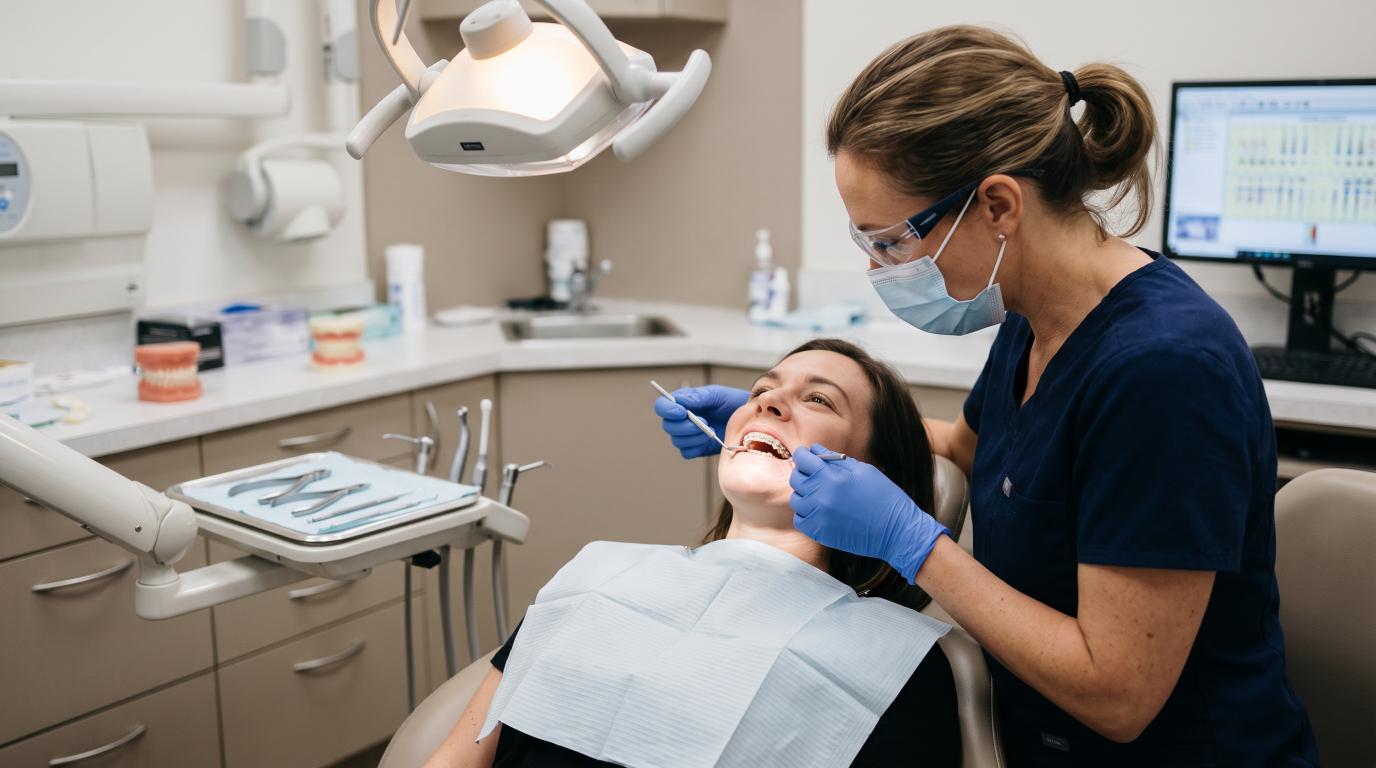
An orthodontist fixes crooked teeth, gaps, and bite problems, and helps your jaws line up the right way. Common problems include crowded teeth, spaces between teeth, an overbite, an underbite, and a crossbite. To fix them, an orthodontist uses braces, clear aligners, and retainers. Braces and aligners slowly move teeth into a better place over many months. Retainers then hold them there so they do not drift back.
After dental school, an orthodontist goes through a residency that usually lasts two to three years. That time is spent only on moving teeth and guiding jaw growth. Straight teeth look nice, but they also matter for health. Crowded teeth can be hard to clean, and a poor bite can wear teeth down over time.
What Are the Main Types of Orthodontic Treatment?
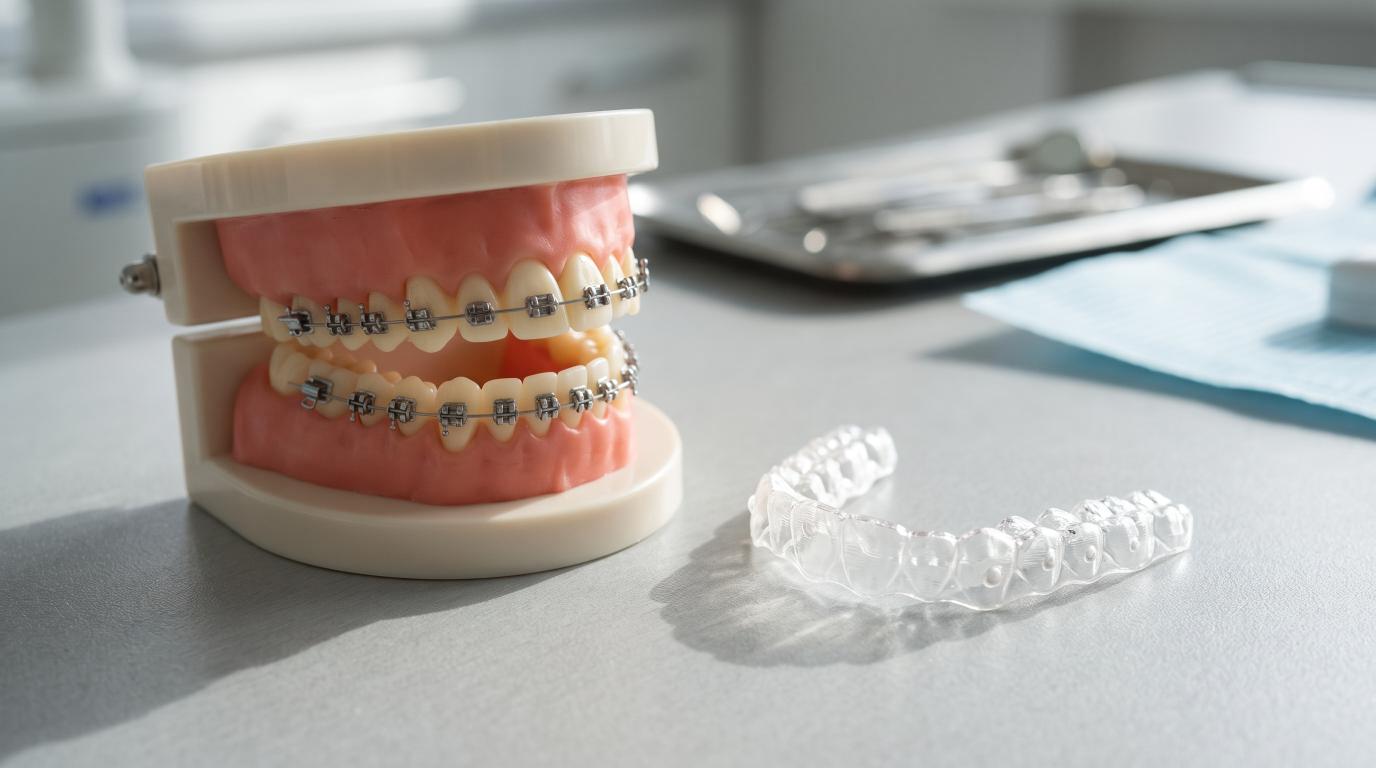
Orthodontic treatment includes metal braces, ceramic braces, lingual braces, and clear aligners. Each option moves teeth into better positions, but they differ in appearance, design, and suitability for different cases.
- Metal braces: Use metal brackets and wires to move teeth gradually. They can treat many types of alignment and bite problems.
- Ceramic braces: Work similarly to metal braces but use tooth-colored or clear brackets that are less noticeable.
- Lingual braces: Attach to the back surfaces of the teeth, making them less visible from the front.
- Clear aligners: Use removable, transparent trays to move teeth gradually. They must be worn as directed and may be suitable for certain mild to complex alignment cases, depending on the treatment system and individual needs.
Not every option is suitable for every patient. An orthodontic evaluation can help determine which treatment is appropriate. After active treatment, retainers are generally recommended to help maintain the results.
How Long Does Orthodontic Treatment Take?
Braces usually take about one to two years. Clear aligners often take a similar amount of time for mild to moderate cases. Harder cases can take longer. Your orthodontist can give you a firm time estimate after looking at your teeth and bite.
Your time depends on how crowded your teeth are, how big your bite problem is, and your age. A jaw that needs to change, or teeth that must be taken out first, add time. Missed visits, broken brackets, and skipped rubber bands can add months more. After treatment, you will wear a retainer to keep your teeth in place, so plan for this step too.
How Much Does a Dentist vs an Orthodontist Cost?
The cost depends mainly on the treatment you need, the complexity of your case, and the provider’s fees. Routine dental services, such as cleanings and fillings, are different from orthodontic treatments that require planning, adjustments, and ongoing monitoring.
Several factors can affect the cost of braces or clear aligners:
- Treatment type: Metal braces, ceramic braces, lingual braces, and clear aligners may have different fees.
- Case complexity: Significant crowding or bite problems may require more involved treatment.
- Treatment duration: Longer treatment can involve additional appointments and monitoring.
- Insurance coverage: Dental plans may cover some orthodontic treatment, subject to plan limits, age restrictions, and other conditions.
- Payment options: Some practices offer payment plans or financing options.
A general dentist who offers orthodontic treatment may have different fees from an orthodontic specialist. However, you should compare the proposed treatment, included appointments, and total cost rather than assuming one provider will always be less expensive. Ask for a written estimate before starting treatment.
Can a General Dentist Do Orthodontics?
Yes, many general dentists offer orthodontic care, usually for simpler cases, but they are not orthodontic specialists unless they finished an orthodontic residency. This is more common than most people think. An older survey of general dentists in Michigan found that 76.3% offered some kind of orthodontic care, and 19.3% offered full treatment. The same study estimated that about two thirds of orthodontic patients saw specialists, and a little less than one third saw general dentists.
Clear aligners have also made it easier for dentists to offer this kind of care. A general dentist can often treat mild to moderate crowding or spacing with a system like Invisalign. If your case is harder, such as a big bite problem or a jaw that needs to move, a specialist is often the better fit. A good dentist will tell you honestly which group you are in.
Is an Orthodontist More Qualified Than a Dentist?
For moving teeth and fixing bites, yes. An orthodontist has extra specialty training that a general dentist does not have. For everyday mouth care, a dentist is still the right choice. The problem is that many people do not know this. A national survey of U.S. adults found that 85.0% believed a dentist who does orthodontic treatment is also an orthodontic specialist. Also, 89.7% did not know a dentist needs separate residency training to be called an orthodontist, and 64.2% did not know an orthodontist must complete more education than a general dentist. Only 17.1% disagreed that a dentist who advertises orthodontic treatment is a specialist.
So an ad that says “braces” does not tell you much. The title “orthodontist” does. Before you start treatment, you can ask two easy questions. Did you complete an orthodontic residency? How many cases like mine have you treated? You can also check your state dental board website to confirm a license. A clear answer should make you feel comfortable, not rushed.
Should I See a Dentist or an Orthodontist?
See your dentist first for pain, cavities, bleeding gums, or a broken tooth. See an orthodontist for crooked teeth, gaps, or a bite that does not fit right. Start with a dentist if you have not had a checkup in a while. Cavities and gum disease usually need to be treated before braces or aligners. Your dentist can also tell you if you need a specialist.
An orthodontist is the right stop if your teeth are crowded, spaced out, or stick out, or if your top and bottom teeth do not meet well when you bite. Trouble chewing or speaking because of your bite is also a good reason to book a visit.
Kids need a little extra thought. The American Association of Orthodontists suggests a first orthodontic check around age 7. A regular visit with a children’s dentist can help spot early signs and tell you when to go.
Jaw pain, clicking, or headaches are a different story. TMJ treatment often starts with a dentist, who can check the jaw joint and decide if you need a specialist. Wisdom teeth are also a dentist issue, not an orthodontist one.
Do I Need a Referral to See an Orthodontist?
Often you do not need a referral to see an orthodontist, but some offices and insurance plans do ask for one, so it is best to call and check.
Even so, referrals are common. Your dentist knows your teeth and often knows good specialists nearby, so many people start with that advice.
Specialists are also seeing a change. A survey of 270 orthodontists in the U.S. and Canada found that they have seen fewer referrals from general dentists and more difficult cases. That hints that simple cases stay with general dentists, while harder ones go to specialists.
How Do I Choose an Orthodontist?

Choosing an orthodontist involves more than comparing treatment prices. Look for a qualified provider who explains your options clearly, evaluates your bite, and develops a treatment plan based on your needs.
Consider these steps before making your decision:
- Verify specialty training. Ask whether the provider completed an orthodontic residency after dental school.
- Discuss similar cases. Ask about their experience treating your type of crowding, spacing, or bite problem.
- Check professional credentials. Use the Arizona State Board of Dental Examiners’ resources to verify the provider’s license and relevant credentials.
- Understand the treatment plan. Ask what treatment is recommended, how long it may take, and what factors could affect your progress.
- Ask about follow-up care. Find out how appointments are handled and whom to contact if a bracket breaks or an aligner causes a problem.
- Review the full cost. Ask what the quoted fee includes, whether insurance may contribute, and what payment options are available.
A good provider should answer your questions without pressuring you into a decision. If your case is complex, consider whether a specialist consultation would help you understand your options.
Conclusion
A general dentist and an orthodontist play different but complementary roles in dental care. Dentists help maintain oral health and treat common dental problems, while orthodontists specialize in correcting tooth alignment and bite issues. Some general dentists also offer orthodontic treatment, but the appropriate provider depends on your needs and the complexity of your case. If you are unsure where to start, a dental examination can help you understand your options and determine whether specialist care is appropriate.
Book Your Visit at U Smile Family Dentistry
Not sure whether you need a dentist or an orthodontist? Start with an evaluation at U Smile Family Dentistry in Mesa, AZ. Our team provides routine dental care, emergency services, and clear aligner treatment for eligible patients. We can assess your dental needs, explain your options, and help you understand whether a referral to an orthodontic specialist may be appropriate. To ask a question or schedule a visit, contact our team or call (480) 764-3996.
Frequently Asked Questions
Is an orthodontist a dentist?
Yes. Every orthodontist is a dentist first, because they must finish dental school before specialty training. Not every dentist is an orthodontist, since only those who complete an orthodontic residency can use that title.
Should I see a dentist or an orthodontist for braces?
Either can offer braces or aligners, but it depends on your case. A general dentist can often handle mild crowding or spacing, while an orthodontist is the better choice for harder bite or jaw problems. If you are not sure, start with your dentist, who can tell you if you need a specialist.
When should kids see an orthodontist?
Around age 7 is the usual advice from the American Association of Orthodontists, even if all the adult teeth have not come in. An early look can spot bite or jaw problems while the jaw is still growing. Your child may not need treatment right away, but the visit helps you plan the best time.
Do orthodontists do cleanings and fillings?
Usually no. Orthodontists focus on moving teeth and fixing bites, so most patients still see their regular dentist for cleanings, fillings, and checkups. Seeing both keeps your teeth and gums healthy during treatment.
Can adults get braces or aligners?
Yes. Adults can get braces or clear aligners as long as their teeth and gums are healthy. Cavities or gum disease should be treated first. Ask for a personal time estimate, since every case is different.