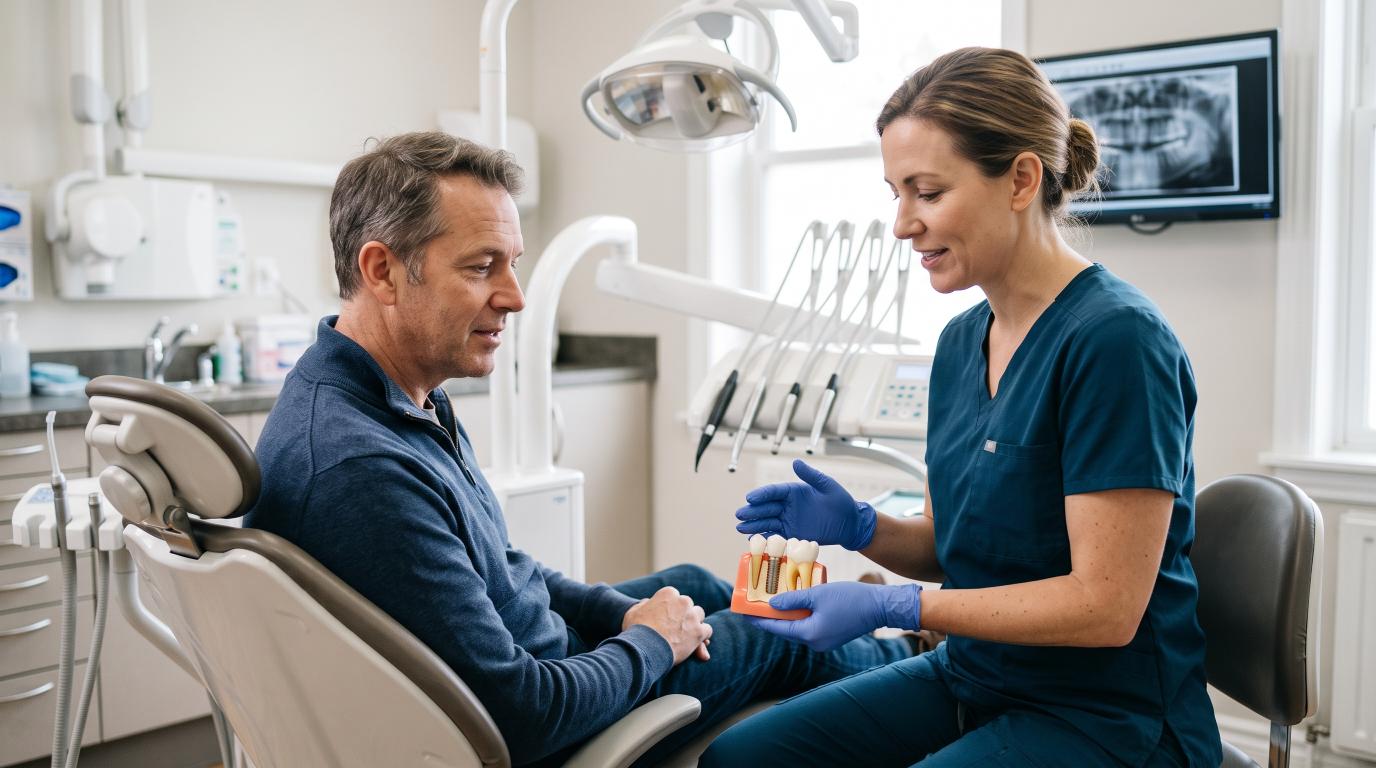
Dental implants should not hurt during surgery because the dentist uses local anesthesia to prevent pain. This medicine blocks pain in the treatment area, although you can still feel pressure or vibration. So, do dental implants hurt afterward? You may experience a dull ache, soreness, or swelling around your gums and jaw. Pain is usually most noticeable during the first 24 hours, while swelling often peaks around 48 hours. Both should gradually improve over the following days, and many patients feel much better within a week.
At U Smile Family Dentistry in Mesa, AZ, patients can discuss dental implant pain, recovery time, and treatment options before surgery. Understanding what happens during implant placement, how your mouth heals, and which symptoms need dental attention can help you prepare for treatment.
What Happens During Dental Implant Surgery?
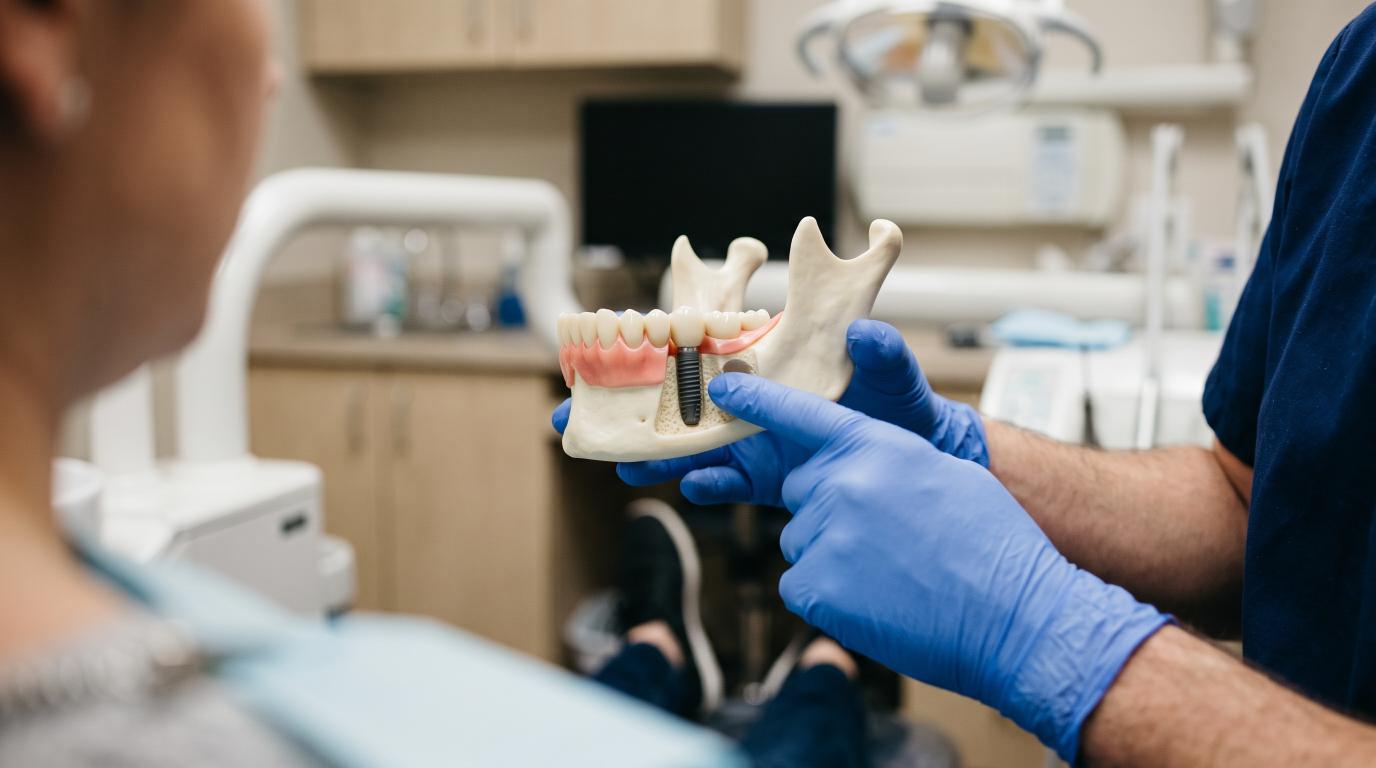
During dental implant surgery, the dentist prepares a small opening in the jawbone and places a dental implant to support a replacement tooth. The dentist then checks its position and protects the surgical area while it heals. Placing a single implant typically takes 30 to 60 minutes, although the appointment can take longer depending on the procedure.
How Does the Dentist Prepare Your Jawbone?
Before surgery, the dentist uses dental X-rays to check whether your jawbone has enough height, width, and density to support an implant. A 3D scan called cone-beam computed tomography (CBCT) can provide a more detailed view of the bone, nearby nerves, and other important structures. If there isn’t enough healthy bone, the dentist may recommend a bone graft to rebuild the area before implant placement. Not every patient needs this procedure.
The dentist prepares a carefully measured opening in the jawbone using specialized instruments. This opening is called an osteotomy, and its size is planned to fit the implant. Careful preparation helps the dentist position the implant while reducing the risk of damage to nearby nerves and tooth roots.
How Is the Dental Implant Placed?
After preparing the jawbone, the dentist inserts a small, screw-shaped dental implant, usually made of titanium, into the opening. The implant acts as an artificial tooth root and provides support for a replacement tooth. The dentist checks the implant’s position and stability before attaching a cover screw or healing abutment, depending on the treatment plan. A healing abutment is a small piece that helps shape the gums as they heal. The dentist then closes the gums with stitches if needed.
Over the following months, the jawbone gradually grows against the implant’s surface and holds it securely. This natural process is called osseointegration. The American Academy of Periodontology explains that the implant and surrounding bone typically bond over 2 to 6 months, creating a stable foundation for a replacement tooth. Once the implant is stable enough, the dentist attaches the final replacement tooth. Some patients receive temporary teeth during the healing period.
What Does Dental Implant Pain Feel Like After Surgery?

Pain after dental implant surgery usually feels like a dull or throbbing ache, tenderness around the gums, or pressure in the jaw. The treated area can also feel sore when you speak, open your mouth, or eat. These symptoms develop as the gums and surrounding tissues begin healing after surgery.
Common Types of Discomfort During Early Healing
During early healing, patients can experience different types of discomfort as the gums and nearby tissues recover.
Gum Tenderness: The tissue around the implant can feel sensitive, especially near the stitches. Moving your lips or cheeks and eating close to the treated area can increase soreness.
Jaw Stiffness: Keeping your mouth open during treatment can leave the jaw muscles feeling tired or tight. Opening your mouth widely or chewing can feel uncomfortable for a short time.
Swelling and Bruising: The gums or cheek can become swollen as the tissues heal. Mild bruising sometimes appears around the treated area and gradually fades.
Sensitivity Around the Surgical Site: The healing gums can feel uncomfortable when touched or exposed to pressure. Avoid pressing on the area with your fingers or tongue.
These symptoms should gradually improve as your mouth heals. Severe pain, increasing swelling, or new pain after earlier improvement needs a dental examination.
How Long Does Pain Last After Dental Implant Surgery?
Pain after dental implant surgery usually lasts 3 to 5 days, with mild soreness or tenderness sometimes continuing for 7 to 10 days. Most patients notice improvement during the first week. Recovery can take longer after bone grafting, multiple implants, or more complex surgery.
|
Recovery Period |
Pain and Discomfort |
What to Expect |
|
First 24 hours |
Soreness begins as the numbing medicine wears off | Mild bleeding and gum tenderness |
| Days 2 to 3 | Pain starts improving for many patients |
Swelling and possible bruising |
|
Days 4 to 5 |
Initial soreness continues to decrease | Eating and speaking become more comfortable |
| Days 7 to 10 | Mild tenderness can remain |
Gum healing continues |
|
Following weeks |
Initial surgical discomfort has usually settled |
Deeper healing continues |
These are general recovery estimates. Your healing time depends on the procedure and your oral health.
The First 24 Hours
During the first day, your gums can feel sensitive when you move your lips, speak, or open your mouth. Minor bleeding or blood-tinged saliva can also occur shortly after surgery. Rest during this period and avoid strenuous activities that could increase bleeding. Take any recommended pain medication according to your dentist’s instructions.
Avoid touching the implant site with your fingers or repeatedly pressing against it with your tongue. If you received sedation, follow the instructions about transportation, driving, and returning to your normal activities.
Days 2 to 3 After Surgery
During this stage, your cheek can feel tight when you smile, speak, or open your mouth. Bruising can also make the surrounding tissues feel tender. If your dentist has restricted chewing near the implant, continue using the opposite side of your mouth.
Avoid pressing against the swollen area to check whether it has improved. You should gradually feel more comfortable as healing continues. If pain becomes stronger instead of improving or swelling spreads rapidly, contact your dentist.
The Following Days and Weeks
As the gums recover, everyday activities such as eating, speaking, and opening your mouth should become more comfortable. Mild tenderness can continue when pressure is placed near the treated area. Although the initial soreness settles, the jawbone continues healing beneath the gums.
During this process, called osseointegration, the surrounding bone gradually grows against the implant’s surface and holds it securely. This deeper healing takes several months, even after the surgical discomfort has disappeared. Your dentist will check the implant’s stability before deciding when it is ready for the final replacement tooth.
What Makes Dental Implant Surgery More Painful for Some People?
Some people experience more pain after dental implant surgery because of differences in surgical complexity, individual healing, and existing health conditions. Procedures that require bone grafting, multiple implants, or additional treatment can affect discomfort during recovery. Your overall health, jawbone condition, and pain sensitivity also influence how you feel after surgery.
Bone Grafting or Additional Surgical Procedures
Bone grafting rebuilds areas of the jawbone that have lost bone or do not have enough bone to support a dental implant. During the procedure, the dentist places bone graft material in the affected area to help create a stronger foundation for the implant. When bone grafting is performed along with implant placement, a larger area of gum and bone tissue needs to heal.
This can increase soreness, swelling, or tenderness during recovery. Patients with insufficient bone in the upper back jaw sometimes need a sinus lift. This procedure adds bone support beneath the sinus and requires its own healing instructions. Not every patient needs these additional procedures. The amount of discomfort depends on the area treated, the surgical method, and the patient’s recovery.
Multiple Implants or Full-Arch Treatment
Placing several dental implants can cause more discomfort because the dentist treats multiple areas of the jaw. Each implant needs space in the bone, and the gums around those areas must heal after surgery. For patients missing several teeth, the dentist can place individual implants or recommend a full-arch restoration that replaces an entire row of teeth using several implants.
Full-arch treatment sometimes includes removing damaged teeth, preparing the jawbone, or fitting temporary replacement teeth. These additional steps can affect swelling, soreness, and the recovery period. However, having more implants does not always mean greater pain. The complexity of the procedure and the condition of the jawbone also matter.
Individual Healing and Existing Dental Conditions
Your overall health affects how the gums and jawbone recover after dental implant surgery. Untreated gum disease, smoking, poorly controlled diabetes, and certain medications can slow healing or increase the risk of complications. For example, the American Dental Association’s diabetes guidance explains that poorly controlled blood sugar can delay wound healing and increase the risk of infection. Patients with well-controlled diabetes can still be suitable candidates for dental implants. Existing dental infections also need attention before surgery. The dentist checks the gums, bone condition, and medical history to identify problems that could interfere with healing. Pain sensitivity differs between patients. Anxiety, previous dental experiences, and the body’s response to surgery can influence how uncomfortable recovery feels.
How Can You Manage Pain After Dental Implant Surgery?

You can manage pain after dental implant surgery by taking recommended pain medication, applying cold compresses to reduce swelling, getting enough rest, and eating soft foods. Keeping your mouth clean and avoiding pressure on the surgical area also help protect the healing gums. Follow your dentist’s aftercare instructions to manage discomfort safely.
Follow Your Dentist’s Medication Instructions
Your dentist will recommend pain medication based on your medical history and the type of implant surgery performed. Common options include ibuprofen, which reduces pain and inflammation, and acetaminophen, which helps relieve pain. Take the medicine exactly as directed. Do not increase the dose or combine medications without checking with your dentist.
Certain pain medicines are unsuitable for people with kidney disease, liver problems, stomach ulcers, or specific medication interactions. Tell your dentist about your health conditions and any medicines you already take. If the recommended medication does not control your pain, contact your dentist rather than taking extra doses.
Use Cold Compresses and Rest as Directed
A cold compress against the outside of your cheek can reduce early swelling and discomfort. Wrap the compress in a cloth so the cold surface does not touch your skin directly. Use it for the periods recommended in your aftercare instructions.
Avoid strenuous exercise, heavy lifting, and activities that increase bleeding during the early recovery period. Your dentist will explain when you can resume these activities based on the surgery performed.
Choose Suitable Foods and Protect the Surgical Area
Soft foods allow you to eat without placing unnecessary pressure on the healing gums.
Suitable choices include:
- Scrambled eggs and oatmeal
- Yogurt and mashed potatoes
- Soft pasta and cooked vegetables
- Lukewarm soup
- Soft fish when chewing is permitted
Avoid hard, crunchy, sticky, or very hot foods that can irritate the surgical area. If your dentist has restricted chewing near the implant, continue following that instruction even after the soreness improves.
Keep Your Mouth Clean as Recommended
Keeping your mouth clean helps reduce plaque and protect the healing gums. Continue cleaning your other teeth, but follow your dentist’s directions when brushing near the stitches.
Your dentist will explain when to begin gentle rinsing and whether a special mouthwash is needed. Do not use a water flosser directly against the surgical site until you receive permission. If cleaning causes increasing pain or bleeding, contact your dentist for advice.
Are Dental Implants More Painful Than Tooth Extractions?
No, dental implant surgery is not necessarily more painful than having a tooth removed. Both procedures can cause soreness afterward, but the amount of discomfort depends on how difficult the surgery is and how much tissue needs to heal.
A simple tooth extraction and a straightforward implant placement can have different recovery experiences. Removing an infected or impacted tooth can require more treatment, while implant placement involving bone grafting or additional surgical work can also increase discomfort.
The condition of your gums and jawbone, the type of procedure, and your body’s healing response all affect recovery. Rather than assuming one procedure will always hurt more, ask your dentist what to expect based on your treatment plan.
What If You Are Afraid of Dental Implant Pain?
If you are nervous about dental implant treatment, tell your dentist before surgery. Discussing your concerns helps the dentist explain the procedure, review anesthesia needs, and determine whether additional comfort options are suitable.
Discuss Your Concerns Before Treatment
Tell your dentist what worries you most, whether it is the injection, dental instruments, treatment length, or discomfort afterward. Ask which parts of the procedure you will be aware of and how to signal if you need a break.
If you have felt pain during previous dental procedures even after receiving numbing medicine, tell your dentist before treatment. You should also ask for written aftercare instructions so you understand what to do when the appointment is over.
Ask About Sedation and Comfort Options
If you feel nervous about dental implant surgery, your dentist can discuss options to help you relax. These include nitrous oxide (laughing gas), oral medication, or medicine given through an IV. The best option depends on your health, anxiety level, and treatment needs.
These methods help reduce anxiety, while numbing medicine prevents pain in the treatment area. Before surgery, ask whether you will need someone to drive you home and how long you should avoid driving, working, or other activities afterward.
Can Temporary Teeth or Dentures Cause Discomfort During Implant Healing?
Yes, temporary teeth or dentures can cause soreness, pressure, or irritation during dental implant healing, especially if they rub against swollen gums or put too much pressure on the surgical area. Temporary teeth help replace missing teeth while the implant heals. However, the gums can change shape as swelling decreases, which can affect how a temporary restoration fits.
A removable denture that presses against the gums can create sore spots. Fixed temporary teeth can also cause discomfort if the bite places too much pressure on the healing implant. If your temporary teeth feel tight, rub against your gums, or cause pain when chewing, contact your dentist for an adjustment. Avoid trying to reshape a denture or adjust a fixed restoration yourself, as this could damage the restoration or irritate the healing tissues.
When Is Pain After Dental Implant Surgery a Warning Sign?
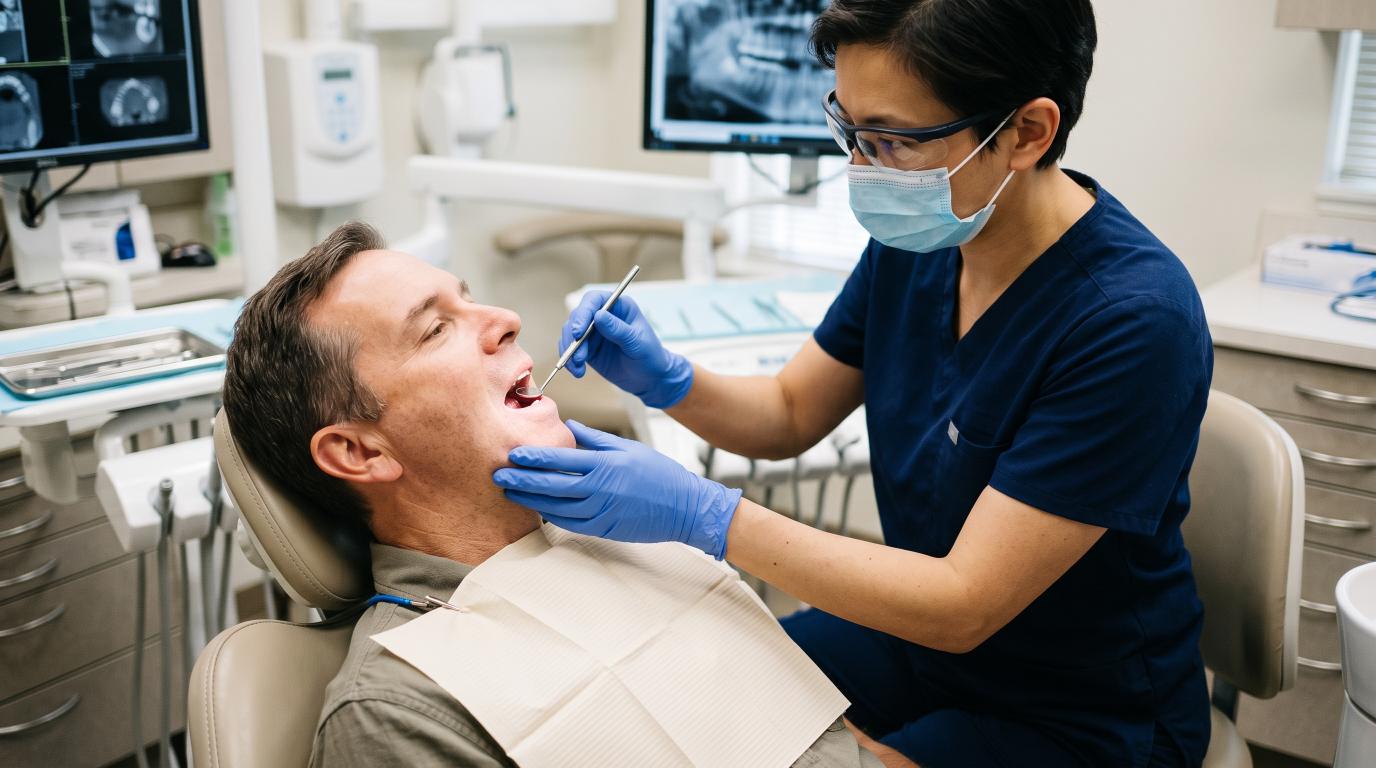
Dental implant pain needs attention when it becomes stronger instead of improving, returns after recovery, or occurs with unusual swelling, fever, drainage, or persistent numbness. These symptoms can indicate infection, irritation, or another complication.
Pain That Gets Worse Instead of Better
Normal postoperative soreness should gradually decrease. Pain that becomes stronger after you initially feel better can indicate a problem with the healing tissues, bite pressure, or the implant area. Contact your dentist and explain when the pain started, how strong it feels, and whether you have swelling or bleeding. An examination helps determine whether the symptoms are related to normal healing or need treatment.
What If Dental Implant Pain Returns Months or Years Later?
New pain around an implant months or years after placement is not part of ordinary surgical recovery. One possible cause is inflammation around the implant. Peri-implant mucositis affects the soft tissue surrounding an implant. Peri-implantitis involves inflammation along with loss of supporting bone.
Other causes include a loose crown, bite problems, or irritation around the restoration. A dentist can examine the gums, check the bite, and take X-rays when needed. Do not assume the implant has failed simply because it hurts. The cause needs to be identified before treatment decisions are made.
Symptoms That Need Prompt Dental Attention
Contact your dentist if you experience:
- Severe pain that recommended medication does not control.
- Increasing swelling after earlier improvement.
- Fever, pus, or unusual drainage.
- Bleeding that does not stop with instructed care.
- An implant or attached restoration that feels loose.
- Numbness or tingling that continues after the anesthesia should have worn off.
Difficulty breathing or swallowing, rapidly spreading facial swelling, and heavy uncontrolled bleeding require emergency medical attention.
Can Nerve Irritation Cause Numbness or Tingling After Implant Surgery?
Yes, nerve irritation or injury during dental implant surgery can cause numbness, tingling, burning, or changes in feeling around the mouth. These symptoms can occur when a nearby nerve is injured or compressed during implant placement. One nerve that needs protection is the inferior alveolar nerve, which runs through the lower jaw. Its mental nerve branch provides feeling to the lower lip and chin. If these nerves are affected, patients can experience unusual sensations even after the surgery is complete.
The effects of nerve injury depend on how the nerve was affected. In their 2015 clinical review, Gary Greenstein and colleagues explained that implant-related nerve damage can cause temporary or permanent changes in sensation. They also discussed the importance of diagnosis and appropriate treatment. Temporary loss of feeling is expected while the numbing medicine is working. However, if numbness continues after the medicine should have worn off, or you notice new tingling or burning sensations, contact your implant dentist immediately for an assessment.
Conclusion
So, do dental implants hurt? Surgery should not hurt when the treatment area is properly numbed, although you can feel pressure or movement. Afterward, soreness and swelling are expected, with discomfort usually improving during the first several days. Recovery varies depending on your jawbone, health, and treatment plan. Follow the aftercare instructions, protect the implant while healing, and attend your scheduled appointments. Persistent, severe, or returning pain deserves a dental examination.
Talk to a Dentist About Dental Implant Pain
If concerns about pain are stopping you from considering dental implants, a consultation can help you understand what to expect during treatment and recovery. At U Smile Family Dentistry in Mesa, AZ, Dr. Tia Khoshaba can examine your teeth and gums, check your jawbone, and discuss whether dental implants are suitable for you. During your visit, you can ask about pain management, sedation options, bone grafting, and the recovery instructions for your procedure.
Your dentist can also explain how your medical history and treatment needs affect the plan. Whether you need to replace one tooth or several missing teeth, understanding your options can help you make an informed decision. Schedule a dental implant consultation to discuss your concerns, recovery expectations, and treatment options.
Frequently Asked Questions
Do Dental Implants Hurt More Than Getting a Tooth Pulled?
No, dental implants do not necessarily hurt more than tooth extractions. A straightforward implant placement can cause less discomfort than a difficult extraction. The amount of pain depends on the procedure and how your mouth heals.
How Bad Is the Pain After Dental Implant Surgery?
Pain is usually mild to moderate and improves over the first several days. Recommended medication and proper aftercare can make recovery more comfortable. Severe or increasing pain needs dental attention.
Can You Feel the Dental Implant Being Screwed Into Your Jaw?
Yes, you can feel pressure or vibration while the dentist places the implant, but the procedure should not hurt when the area is properly numbed. Tell your dentist immediately if you experience pain.
Is the Second Stage of Dental Implant Surgery Painful?
No, the second stage should not cause pain when the treatment area is properly numbed. The dentist uncovers the implant, if needed, and attaches a healing abutment. Mild gum tenderness can occur afterward.
Why Does My Dental Implant Still Hurt Weeks Later?
Pain weeks after surgery can result from gum irritation, infection, bite pressure, or problems around the implant. Persistent or worsening discomfort should be examined by your dentist.
Can I Go to Work the Day After Getting a Dental Implant?
Yes, you can often return to desk work the next day after straightforward implant surgery if you feel well. More complex procedures, physical work, or sedation can require additional recovery time. Follow your dentist’s instructions.