
Waiting after a bone graft before getting dental implants can be frustrating especially when you’re dealing with missing teeth, discomfort, and the desire to restore your smile as soon as possible. Many patients worry about how long the healing will take and whether delays could affect the success of their implant treatment.
The truth is, proper healing after bone grafting is essential for long-term implant stability in Mesa, AZ, and rushing the process can lead to complications or implant failure. Understanding the exact timeline and what factors affect healing can help you make a confident, informed decision and move forward safely toward a fully restored smile.08
What Is a Dental Bone Graft?
A dental bone graft is a procedure where bone material is placed into an area of the jaw that has lost density. The bone acts as a scaffold, and over time your body grows new, natural bone around it and through it making the jaw stronger and ready for an implant.
There are different types of bone graft materials your dentist might use:
- Your own bone (autograft) taken from another part of your mouth or body. This tends to heal the fastest because it uses your own natural tissue.
- Donor bone (allograft) comes from a human donor and is processed to make it completely safe for use.
- Animal-derived bone (xenograft) usually from bovine (cow) sources, processed and safe to use.
- Synthetic bone (alloplast) man-made material that stimulates natural bone growth.
Each type works well, but healing speeds can vary slightly. Your dentist will choose the right material based on your specific situation.
How Long Should You Wait After a Bone Graft for Implants?
This is the most important question and the answer depends on the type of bone graft you had.
Most patients wait 3 to 6 months after a bone graft before getting dental implants. This gives the graft enough time to bond with your natural bone and build a strong foundation for the implant. The waiting period is not wasted time. Your body is actively growing new bones during this phase. Rushing it is one of the most common reasons implants fail.
Average Healing Timeline
Most patients are ready for an implant within 3 to 6 months. Some heal closer to the 3-month mark, while others need the full 6 months or slightly longer depending on their health and graft size.
Healing Time by Type of Bone Graft
- Socket Preservation 2 to 4 months Placed immediately after tooth extraction. Smaller procedure so it heals the fastest.
- Minor Graft 3 to 4 months Used when bone loss is limited to a small area. Heals relatively quickly.
- Major Graft 6 to 9 months Needed when there is significant bone loss over a larger area. It takes longer because more new bone needs to form.
- Sinus Lift 6 months or more Used in the upper jaw when there is not enough bone beneath the sinus cavity. One of the more complex grafts so healing takes the longest.
Dental Implant Treatment Timeline
Here is what the full process looks like from start to finish:
Tooth Extraction (if needed)
If the damaged tooth is still in place, it needs to be removed before anything else can happen. In many cases the bone graft is placed at the same appointment right after the extraction, saving you an extra visit and starting the healing process straight away.
Bone Graft Placement
Once the tooth is out, the graft material is placed into the jaw where the bone needs rebuilding. It is covered with a protective membrane to hold it in place and stitches are used to close the gum over the top. This is the foundation stage everything that comes after depends on how well this heals.
Healing Phase
This is the waiting period and it is the most important part of the whole process. Depending on the type and size of your graft, this stage takes anywhere from 3 to 9 months. Your body is actively growing new bone during this time, slowly replacing the graft material with strong, natural bone. You will have regular check-up appointments so your dentist can monitor progress.
Implant Placement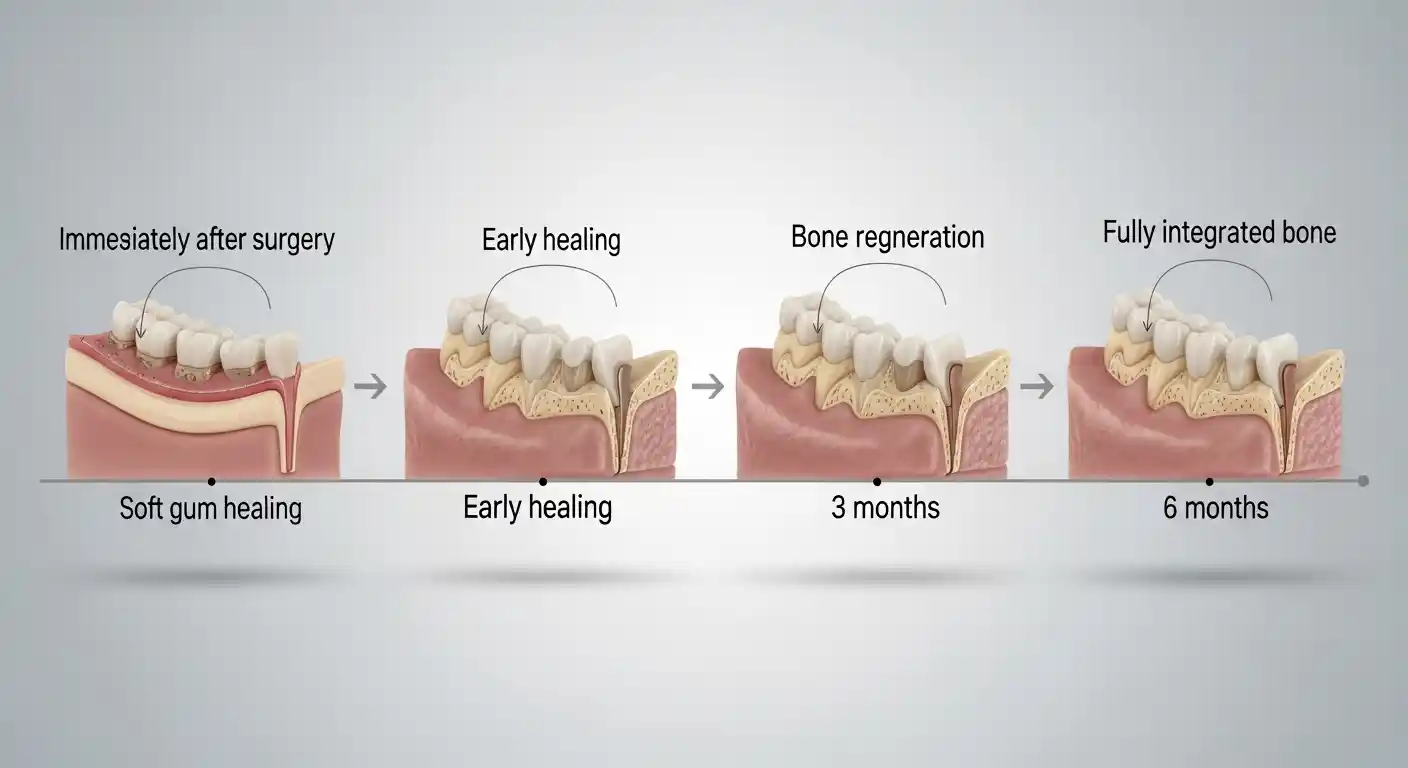
Once your dentist confirms the bone is strong enough usually through X-rays or a 3D scan the titanium implant post is surgically placed into the jaw under local anaesthetic. After placement, another healing period of 3 to 6 months follows as the implant bonds with the surrounding bone. This process is called osseointegration and it is what makes implants so strong and long lasting.
Crown Placement
This is the final step. Once the implant has fully integrated with the bone, a custom-made crown is attached on top. The crown is matched to the size, shape, and colour of your natural teeth giving you a replacement tooth that looks and feels completely real.
Total treatment time
Most patients complete the full process in 6 to 12 months. Complex cases involving large grafts or sinus lifts may take a little longer.
Factors That Affect Bone Graft Healing Time
Not everyone heals at the same pace. Several things can speed up or slow down how quickly your graft heals:
- Younger patients generally heal faster than older adults. As we age, bone regeneration slows down naturally.
- Smoking reduces blood flow and significantly slows bone healing. Smokers are at higher risk of graft failure and implant failure. Quitting before your procedure makes a real difference.
- Overall health conditions like uncontrolled diabetes, autoimmune disorders, or osteoporosis can slow the healing process. Certain medications can also interfere with bone growth.
- Size of the graft Larger grafts take longer to fully integrate than smaller ones. This is straightforward but often underestimated by patients.
- Location in the mouth Upper jaw grafts, especially near the sinus, tend to take longer than lower jaw grafts due to the anatomy of the area.
- Oral hygiene: Keeping your mouth clean after a graft is critical. Poor hygiene can lead to infection, which can cause the graft to fail entirely.
Why Do You Need a Bone Graft Before Dental Implants?
When you lose a tooth, the jawbone beneath it slowly starts to shrink. Dental implants need strong, healthy bone to hold onto if the bone is too thin or weak, the implant will not stay in place. A bone graft rebuilds that lost bone, giving the implant a solid foundation to anchor into.
How Do You Know When You Are Ready for an Implant?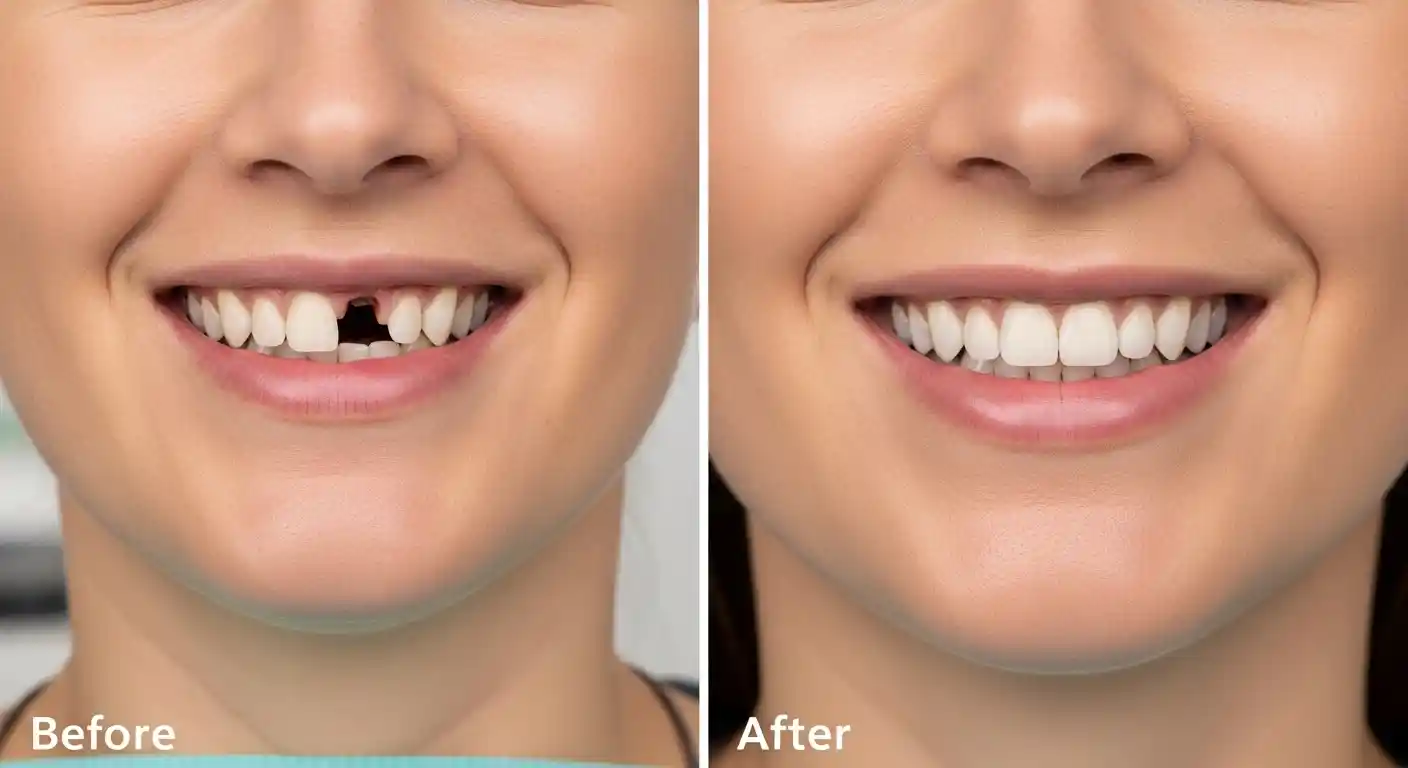
You will not have to guess your dentist will confirm when you are ready using a combination of checks and scans. Here is what they look for:
X-rays and 3D Scans
Your dentist will take X-rays or a detailed 3D CBCT scan to measure the height, width, and density of the bone. This gives a clear picture of whether the graft has fully integrated and whether there is enough solid bone to hold the implant securely.
Gum Tissue is Fully Healed
The gum over the graft site needs to be completely closed and healed before an implant can be placed. If the gum tissue is still recovering, more time is needed.
No Pain or Infection
The graft site should feel completely normal with no lingering pain, swelling, or signs of infection. Any redness, unusual discomfort, or bad taste in the mouth needs to be resolved before moving forward.
Bone is Strong Enough to Hold the Implant
This is the most important check of all. The bone needs to have enough density and volume to grip the implant tightly during placement. If the bone is not strong enough yet, rushing into implant placement will only lead to failure.
Once all of these boxes are ticked, your dentist will give you the green light and schedule your implant procedure. The wait can feel long, but being cleared for an implant means the hard part is behind you and the finish line is finally in sight.
Can You Get a Dental Implant Immediately After a Bone Graft?
In some cases, yes. This is called immediate implant placement and it means the implant is placed at the same time as the graft, saving you time and reducing the number of procedures.
However, this is only possible in specific situations:
- The tooth socket has strong, healthy bone walls
- There is no active infection present
- The surgeon can achieve good primary stability for the implant
If any of these conditions are not met, immediate placement is not recommended. Placing an implant into an area that is not ready dramatically increases the risk of failure.
What Happens If You Get an Implant Too Soon?
Getting an implant before the bone graft has fully healed is one of the most avoidable mistakes in the process and the consequences are serious. If the bone is not strong enough to support the implant, osseointegration (the bonding of implant to bone) cannot happen properly.
The implant becomes unstable, loose, and will likely fail completely. This means you are back to square one losing the implant, treating the area, waiting again, and then starting over. It costs more time, more money, and more discomfort than simply waiting in the first place.
What Happens If You Wait Too Long After a Bone Graft?
Waiting too long is also a problem. If you do not get your implant placed within a reasonable time after the graft has healed, the bone can start to shrink again. Without the stimulation of an implant or tooth root, the body begins to reabsorb the bone essentially undoing the work of the graft.
Most dentists recommend not waiting more than 6 to 12 months after a graft is healed before placing the implant. Waiting beyond that may mean you need another bone graft before the implant can go in, adding time and cost to your treatment.
What to Expect After a Bone Graft (Recovery and Healing)
The first few days after a bone graft are the most uncomfortable but most patients find it more manageable than they expected.
- Days 1 to 3 Some swelling, bruising, and mild to moderate discomfort. An ice pack on the cheek helps. Pain medication will be prescribed.
- Week 1 to 2 Swelling begins to reduce. Tenderness eases. Stick to soft foods and avoid touching the area.
- Weeks 2 to 6 Early bone healing takes place. Things feel more normal but the graft site is still fragile inside.
- Month 2 onwards Osseointegration begins. The graft material starts bonding with your natural bone. You may feel completely normal from the outside, but the real work is happening beneath the surface.
- Normal signs: Mild swelling, some bruising, slight discomfort, minor bleeding in the first 24 hours.
- Warning signs to watch for: Persistent or increasing pain after the first week, signs of infection (redness, pus, bad taste), fever, or the graft material feeling loose or coming out. Contact your dentist immediately if any of these occur.
Post-Graft Care Tips for Faster Healing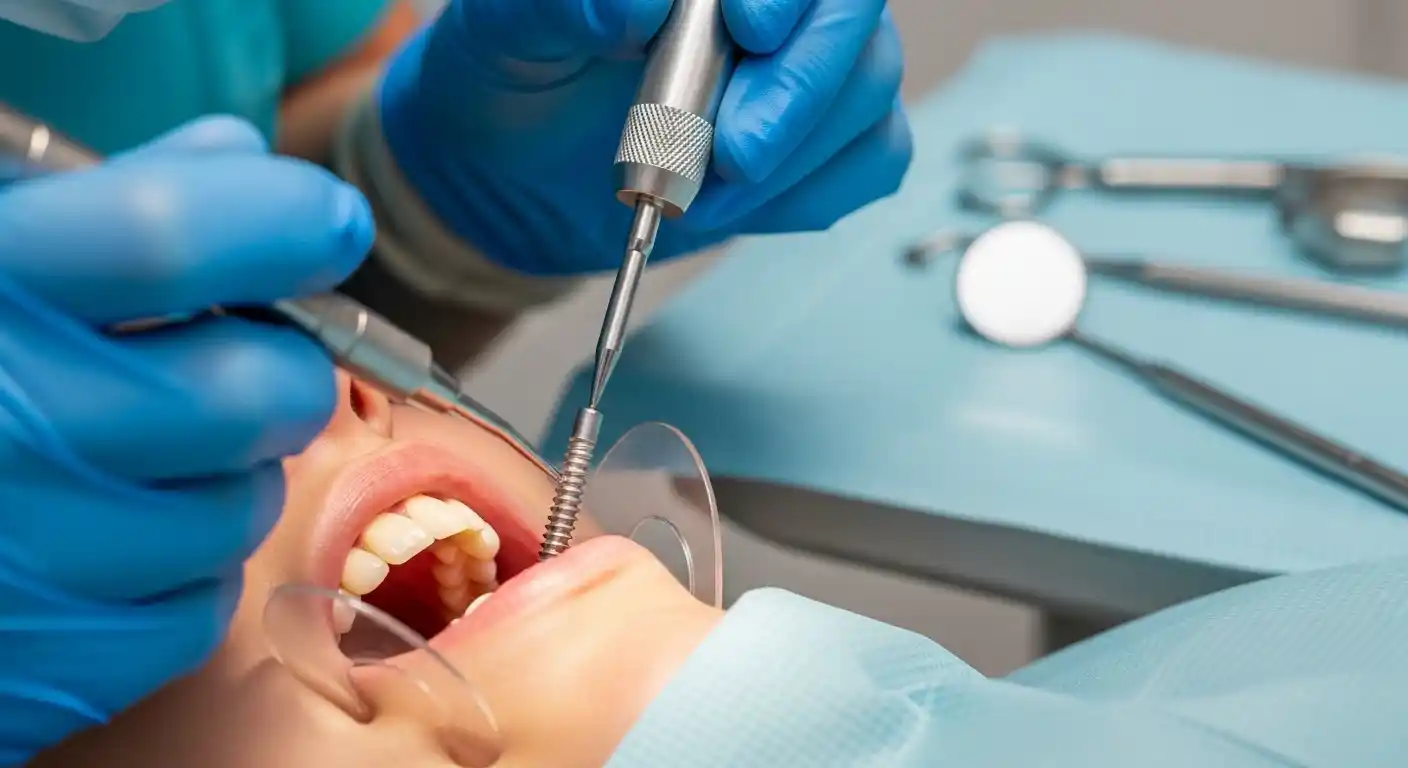
What you do after your bone graft has a direct impact on how well and how quickly it heals. Following these tips gives you the best possible chance of a smooth, successful recovery.
Do Not Smoke
This is the single most important thing you can do. Smoking reduces blood flow to the jaw and significantly slows down bone regeneration. Even a few cigarettes a day can interfere with healing and increase the risk of graft failure. If you smoke, stopping before and after your procedure makes a real difference to your outcome.
Stick to Soft Foods
For the first few weeks after your graft, avoid anything hard, crunchy, or chewy near the graft area. Stick to soft foods like mashed potatoes, yogurt, soup, scrambled eggs, and soft rice. Putting pressure on the graft site too early can disturb the healing process before it has properly started.
Keep Your Mouth Clean
Good oral hygiene is critical after a bone graft. Bacteria and infection are the biggest threats to a healing graft. Brush gently around the area, use any prescribed antibacterial mouthwash, and avoid touching the graft site with your tongue or fingers.
Avoid Strenuous Exercise
Heavy physical activity in the first week after surgery increases blood pressure and can cause additional swelling and bleeding at the graft site. Take it easy for at least the first 7 to 10 days and ease back into exercise gradually.
Take All Prescribed Medication
If your dentist prescribes antibiotics or pain relief, take the full course exactly as directed. Antibiotics in particular are important, stopping them early because you feel better can allow bacteria to return and put the graft at risk.
Attend Every Follow-Up Appointment
Do not skip your check-up appointments even if you feel completely fine. These visits are how your dentist monitors the healing progress, catches any early signs of problems, and confirms when you are ready to move on to the implant stage. Missing them can delay your entire treatment timeline.
Bone Graft vs Dental Implant: Which Is More Painful?
Both procedures are done under local anaesthetic so you will feel no pain during either one. The bone graft tends to cause more soreness afterward, usually rated around 4 to 6 out of 10 for the first few days. Implant placement is often less uncomfortable than patients expect, typically around 3 to 5 out of 10. Both are manageable and the discomfort is temporary.
Cost and Treatment Planning Considerations
Adding a bone graft does increase the overall cost and extends the timeline but it is an investment, not an inconvenience. Skipping a bone graft when one is needed greatly increases the risk of implant failure, and a failed implant costs far more to fix than doing it right the first time.
Insurance coverage for bone grafts varies. Some plans cover part of the cost if the graft is medically necessary, while others treat it as elective. Always check with your provider before treatment begins. Many dental practices also offer payment plans to make the process more affordable.
Get Expert Dental Implant Care in Mesa
If you’re wondering how long to wait after a bone graft for dental implants, the right timeline is key to a successful and long-lasting result. At U Smile Dental, we provide personalized treatment plans, advanced imaging, and expert care to ensure your implant is placed at the perfect time for optimal healing and stability. Don’t wait and risk complications or delays schedule your consultation today in Mesa and take the next step toward a healthy, confident smile.
Conclusion
Getting dental implants after a bone graft takes time but it is time well spent. Most patients wait 3 to 6 months after their graft before the implant goes in, with the full process taking 6 to 12 months from start to finish.
The exact timeline depends on your graft type, overall health, and how well you follow aftercare instructions. Book a consultation with a qualified dentist and get a clear, personalised plan for your treatment. Your smile is worth the wait.
Frequently Asked Questions
How long after bone graft can the implant be placed?
Most patients wait 3 to 6 months. A minor graft may be ready in 8 to 12 weeks, while a major graft or sinus lift can take up to 9 months. Your dentist will confirm readiness using X-rays or a 3D scan before moving forward.
Can bone graft and implant be done at the same time?
Yes, in some cases. This is called immediate implant placement. However it is only possible when there is no infection, bone walls are strong, and the surgeon can achieve stable placement. If not, waiting for the graft to fully heal is the safer option.
Is bone grafting always necessary for implants?
No. Many patients have healthy bones without needing a graft. A bone graft is only needed when there is not enough bone density to hold the implant securely. Your dentist will determine this through X-rays during your consultation.
How do I know if my bone graft healed properly?
Your dentist will use X-rays or a 3D scan to check bone density and width. The gum should be fully healed with no pain or infection present. You will not be cleared for an implant until all checks confirm successful healing.
What is the success rate of bone grafts?
Generally between 90% and 95% when performed by a qualified professional and followed by proper aftercare. Success rates are lower in patients who smoke or have uncontrolled diabetes.