
Dental bridges are an effective solution to replace missing teeth, restore your smile, and improve chewing and speaking. However, a dental bridge requires proper care to last for years. At U Smile Family Dentistry in Mesa, Arizona, we help our patients maintain healthy bridges by teaching simple, effective cleaning techniques. In this guide, you’ll learn how to clean your dental bridge, keep your gums healthy, and prevent common problems that can shorten the lifespan of your dental work.
Proper maintenance not only keeps your bridge in top shape but also protects your surrounding teeth and gums, preventing future dental complications and ensuring your overall oral health stays strong.
What Is a Dental Bridge and Why Proper Cleaning Matters
A dental bridge is a fixed dental appliance used to replace one or more missing teeth. It is anchored to the neighboring teeth or dental implants and “bridges” the gap. While bridges are strong and durable, food particles and plaque can accumulate around them, which can cause gum disease, decay, or bad breath if not cleaned properly.
Brushing and flossing alone may not reach all areas around the bridge, which is why understanding the proper cleaning techniques is critical. Proper cleaning prevents plaque buildup, extends the life of the bridge, and ensures your smile remains healthy and natural-looking.

Types of Dental Bridges
There are three main types of dental bridges:
- Traditional Bridges – Anchored to natural teeth on both sides of the gap. This is the most common type.
- Cantilever Bridges – Supported by a single neighboring tooth, often used when there is only one adjacent tooth.
- Maryland Bridges – Held in place by a metal or porcelain framework bonded to adjacent teeth. These are often used for front teeth where less force is needed.
Understanding your bridge type helps determine the best cleaning method and ensures you protect your supporting teeth and gums effectively.
Risks of Poor Hygiene
Neglecting proper care can lead to:
- Gum inflammation or infection
- Decay of supporting teeth
- Bridge loosening or damage
- Bad breath and discomfort
Even a strong bridge can fail if plaque and bacteria are allowed to accumulate. Poor hygiene is a leading cause of problems with dental bridges, making daily cleaning essential.
Benefits of Maintaining a Clean Bridge
Proper cleaning can:
- Extend the lifespan of your dental bridge
- Prevent gum disease and cavities
- Keep your smile looking natural and bright
- Make eating and speaking more comfortable
Healthy gums and teeth around your bridge also help maintain jawbone strength and overall oral health.
Daily Cleaning Routine for Your Dental Bridge
A consistent daily cleaning routine is key to keeping your bridge and gums healthy. Following these steps ensures plaque and bacteria do not build up around the bridge or supporting teeth.
Brushing Techniques for Your Bridge
Brush your bridge at least twice a day using a soft-bristled toothbrush and non-abrasive fluoride toothpaste. Use gentle, circular motions around the bridge and supporting teeth to remove plaque without damaging the surface.
Pay special attention to the area where the bridge meets the gum line. You may also consider using an electric toothbrush, which can reach difficult areas more effectively.
Flossing Under the Bridge (Floss Threaders & Special Floss)
Flossing under the bridge is essential because plaque can build up between the bridge and your gums. Use a floss threader or specialized dental floss to slide floss under the bridge and clean the supporting teeth.
At U Smile Family Dentistry in Mesa, we recommend doing this at least once a day. Consistent flossing reduces the risk of decay and gum disease around your bridge.
Using Bridge Cleaners and Interdental Tools
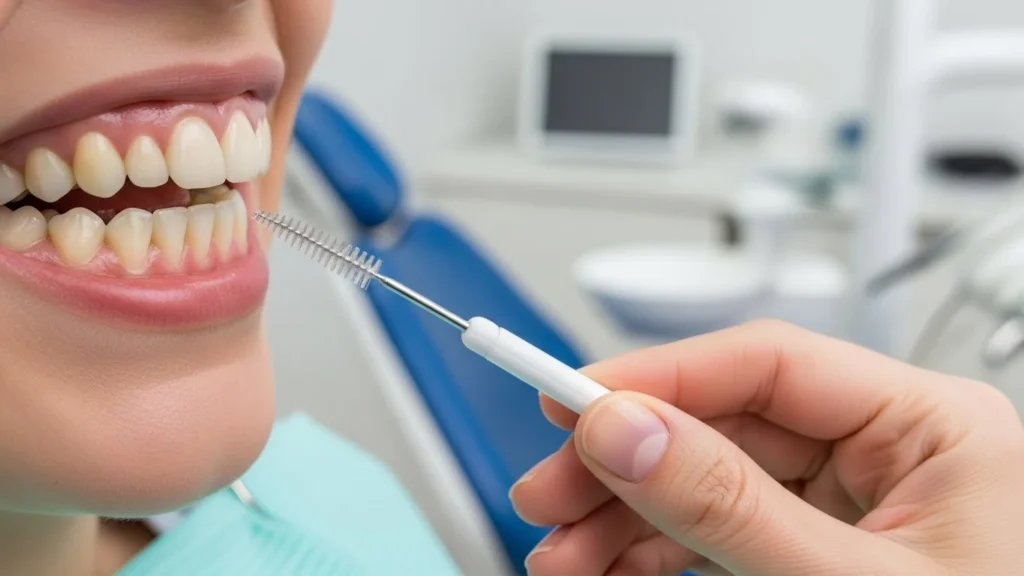
Dental picks, interdental brushes, and other bridge cleaners are excellent tools to reach areas your toothbrush can’t. These tools help remove food particles and prevent plaque buildup around the bridge.
Small brushes can fit between teeth and under the bridge, while soft picks gently dislodge trapped debris without harming the gums. Using these tools daily ensures thorough cleaning and healthy gums.
Water Flossers: Pros and Cons
Water flossers are another option for cleaning under bridges. They use a gentle stream of water to remove debris and massage your gums. While effective, they should be used in combination with brushing for best results.
Water flossers can be particularly helpful for patients with tight spaces or limited dexterity, making it easier to maintain bridge hygiene at home.
Special Care for Permanent Dental Bridges
Permanent bridges, unlike temporary ones, are designed to last many years. Proper care is even more important to ensure the supporting teeth remain healthy and your bridge stays secure.
How Permanent Bridges Differ in Maintenance
Permanent bridges are bonded securely to your teeth or implants. While they are durable, you must clean around and under them carefully to prevent decay in the supporting teeth. Regular brushing, flossing, and use of dental aids are critical to maintaining the integrity of permanent bridges.
Avoiding Damage to Crowns and Adjacent Teeth
Avoid biting down on hard foods directly with your bridge. Use proper brushing and flossing techniques to prevent scratching or loosening the bridge. Regular dental checkups can catch issues early and prevent damage before it becomes serious.
Tips for Cleaning Hard-to-Reach Areas
Even with careful brushing, some areas around a dental bridge can be difficult to reach.
Cleaning Under the Bridge Properly: Use a floss threader or interdental brush to gently clean under the bridge. This prevents plaque and tartar from accumulating in hidden areas, reducing the risk of gum disease.
Using Picks, Brushes, and Dental Aids: Small dental picks, soft-bristled brushes, and water flossers can reach tight spaces. Make sure these tools are used gently to avoid harming your gums or bridge surface.
Common Mistakes to Avoid
Avoid these errors to ensure your bridge lasts longer and stays healthy:
Brushing Errors: Using a hard-bristled toothbrush or brushing too aggressively can damage your bridge and gums.
Ignoring Flossing or Specialized Tools: Skipping flossing or bridge cleaners allows plaque to build up under the bridge, which can cause decay or gum disease.
Using the Wrong Toothpaste: Abrasive toothpaste can scratch the surface of your bridge. Stick to non-abrasive fluoride toothpaste.

Maintaining Overall Oral Health with a Bridge
Cleaning your bridge is part of maintaining your entire mouth.
Gum Care and Preventing Infection
Rinse with an antimicrobial mouthwash if recommended by your dentist to keep gums healthy and reduce bacteria around the bridge. Healthy gums are critical for the longevity of your bridge.
Diet and Habits That Protect Your Bridge
Avoid sticky or extremely hard foods that can dislodge or damage the bridge. Maintain a balanced diet to support gum and tooth health. Chewing carefully and limiting sugary snacks also helps prevent decay around your bridge.
Using Mouthwash and Other Hygiene Aids
Mouth rinses can help reduce plaque and prevent bad breath. Ask your dentist which type is best for your needs.
When to Visit a Dentist?
Even with careful home care, regular professional checkups are essential.
Signs Your Bridge Needs Professional Cleaning
- Persistent bad breath
- Red or swollen gums
- Discomfort or looseness around the bridge
Regular Checkups to Extend Bridge Lifespan
At U Smile Family Dentistry in Mesa, Arizona, we recommend seeing your dentist every six months for professional cleaning and examination. Regular care ensures your bridge lasts longer and your smile stays healthy.
Conclusion
Proper care of your dental bridge is essential to maintaining a healthy, confident smile. By following daily brushing, flossing, and using specialized tools, you can keep your bridge and gums clean and healthy. Regular dental visits at U Smile Family Dentistry in Mesa, Arizona ensure any potential issues are detected early, preventing complications and extending the lifespan of your bridge.
With consistent care and professional guidance, your dental bridge can last for many years, allowing you to eat, speak, and smile with confidence. Take the time to care for your bridge every day—it’s an investment in your oral health and your overall well-being.
Frequently Asked Questions (FAQs)
Q: How often should you floss under a bridge?
Floss at least once daily to remove plaque under the bridge and prevent gum disease.
Q: Can I use a regular toothbrush to clean a dental bridge?
Yes, a soft-bristled toothbrush works well, but you should combine it with flossing and interdental tools.
Q: What are the best tools for cleaning under a dental bridge?
Floss threaders, interdental brushes, water flossers, and dental picks are highly effective.
Q: How do I clean a permanent dental bridge?
Brush gently twice a day, floss under the bridge with a threader, and use specialized tools for hard-to-reach areas.
Q: Can improper cleaning damage my bridge or gums?
Yes, neglecting proper cleaning can cause gum disease, decay of supporting teeth, and bridge loosening.
Q: Do I still need regular dental checkups if I clean my bridge daily?
Yes. Professional checkups help detect problems early and ensure the bridge remains secure and healthy.