
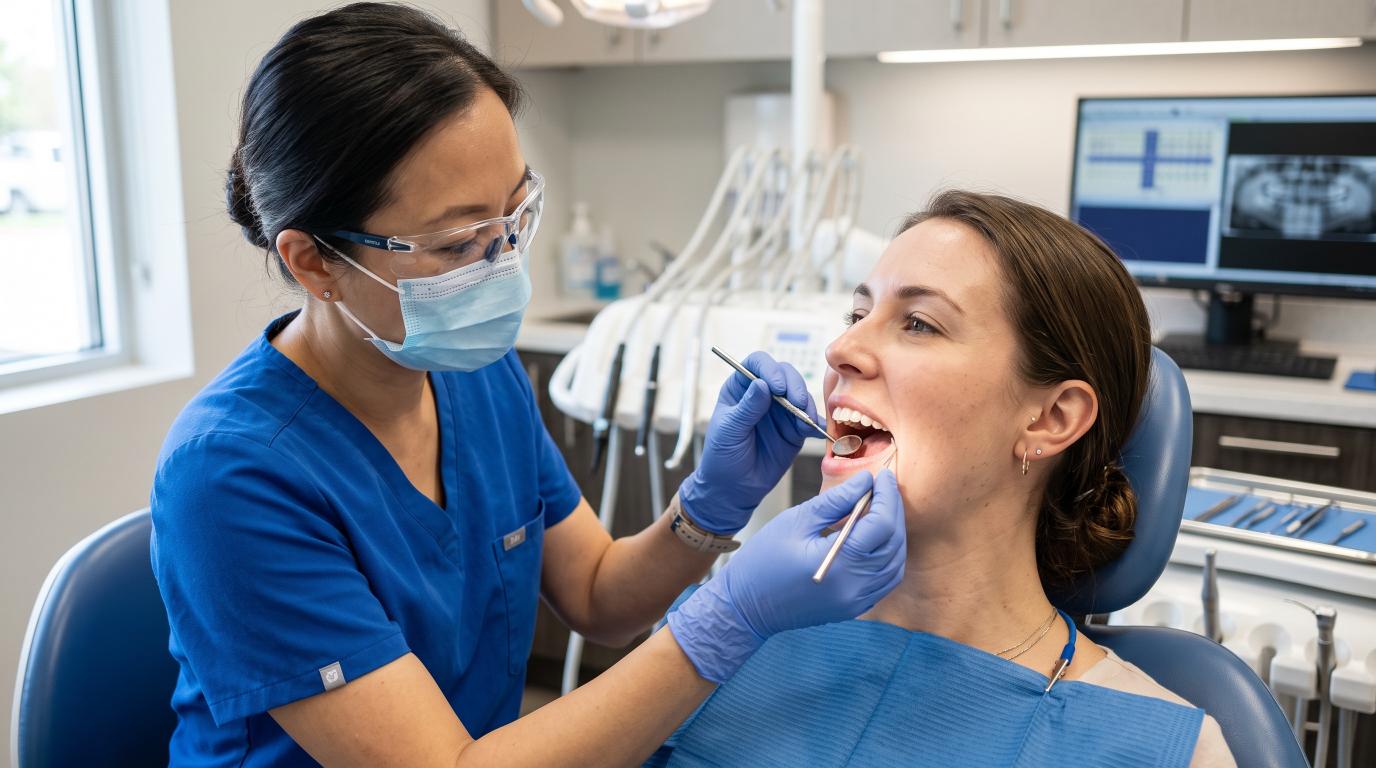
A root canal usually takes 60 to 90 minutes in a single appointment. Treatment time can vary depending on the tooth, the number of canals and how complex those canals are. Most cases are finished in one or two visits, and back teeth often need a permanent crown after treatment.
At U Smile Family Dentistry in Mesa, AZ, your exact treatment time depends on which tooth is being treated, how many canals it has, how curved or narrow those canals are, and how severe the infection is. An X-ray at your first visit gives your dentist a reliable estimate before treatment begins.
With local anesthesia, a root canal feels much like getting a filling, and most people return to work the same or next day. This guide explains treatment time by tooth type, each step of the procedure, reasons another visit may be needed, recovery and how long a treated tooth can last.
Average Root Canal Procedure Time for One Appointment
The dentist needs enough time to reach the inside of the tooth, remove damaged tissue, and clean, shape and seal every canal properly. A simple case may take less than an hour, while a tooth with several narrow or curved canals can take longer.
Appointment length refers to the procedure itself. It does not include the healing period afterward or a separate appointment for a permanent crown when one is recommended.
Root Canal Time by Tooth: Front Teeth vs. Molars
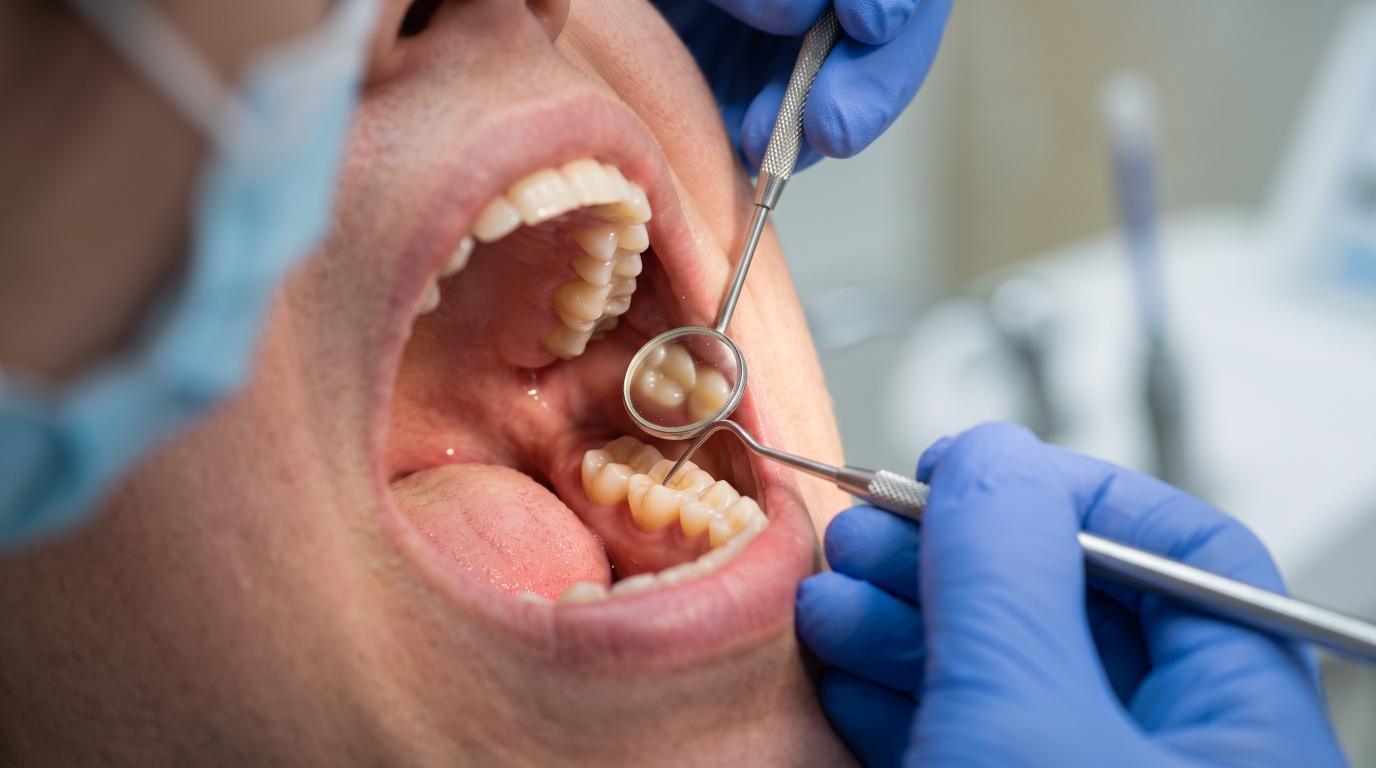
The location of the tooth is one of the biggest reasons treatment time varies. Front teeth usually have simpler roots, while back teeth often have several canals that must be treated separately.
|
Tooth Type |
Usual Treatment Time |
Why the Time Varies |
|
Incisors |
About 30 to 45 minutes | Usually one straight canal |
| Canines | About 30 to 60 minutes |
One main root, but canal shape can vary |
|
Premolars |
About 45 to 75 minutes | One or two roots and canals |
| Molars | About 60 to 90 minutes or longer |
Up to three or four canals with complex root shapes |
A longer appointment for a molar does not mean a worse result. In a 10-year study published in the Journal of Endodontics, Till Dammaschke and colleagues at the University of Münster followed 190 root-canal-treated teeth in 144 patients and found the number of root canals had no significant influence on success, with 85.1% of teeth surviving after 10 years.
Root Canal Steps: What Happens in the Dental Chair
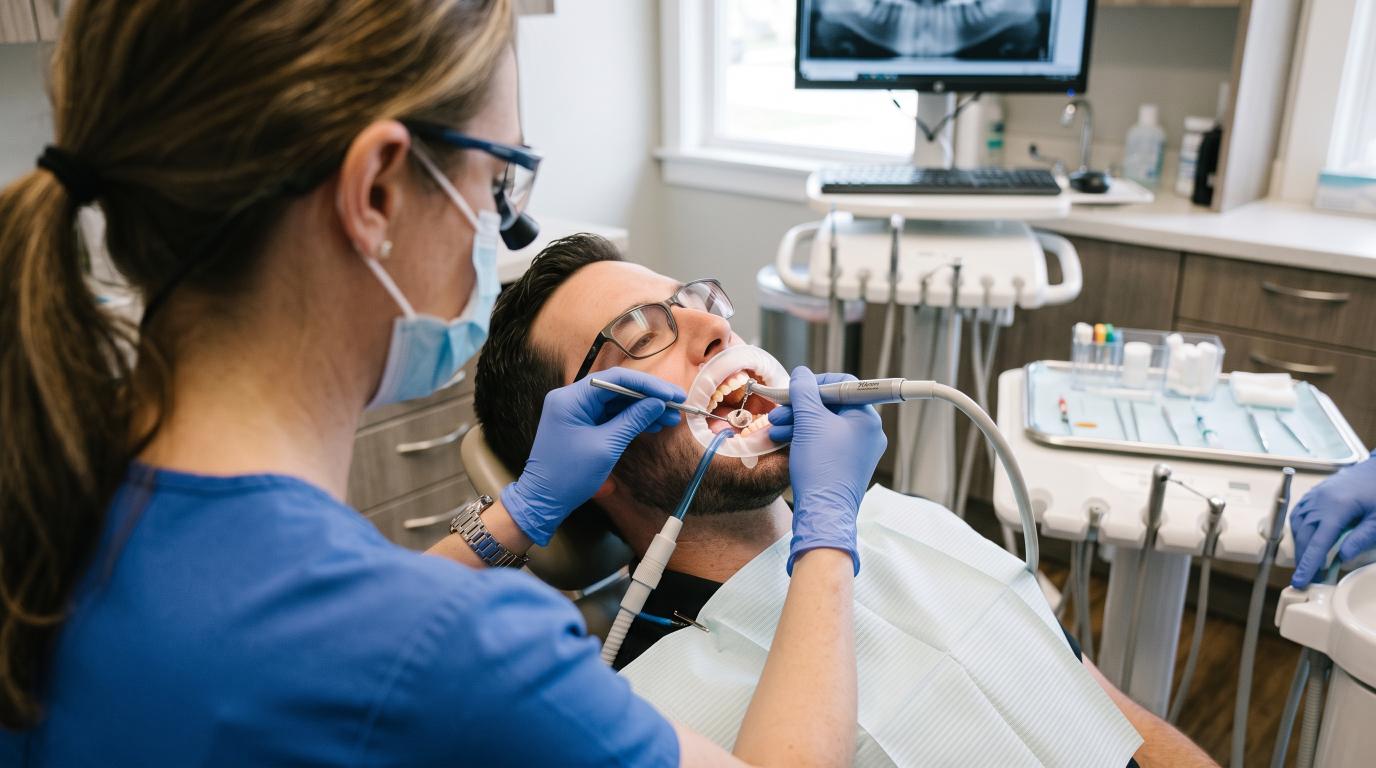
Understanding the steps makes it easier to see why a root canal can take an hour or more. Each stage has a specific purpose and must be completed carefully.
Examination and X-Rays
The dentist checks your symptoms and takes X-rays of the roots, surrounding bone and any infection. The images help show how many canals may need treatment and whether the roots look straight, curved, narrow or unusual.
Numbing the Tooth
Local anesthesia numbs the tooth and nearby tissue so the procedure can be completed comfortably. The dentist waits until the area is fully numb before opening the tooth.
Accessing the Tooth
A small opening is made through the top of the tooth to reach the pulp chamber and the canals below it. The infected, inflamed or damaged pulp is then removed.
Cleaning and Shaping the Root Canals
Very fine instruments clean each canal along its full length and shape it so it can be filled properly. This is often the most detailed and time-consuming part of treatment.
Filling and Sealing the Canals
Once clean, the canals are filled with a material designed to seal the space so bacteria cannot easily return. This step has been a focus of endodontics for decades. In a 1956 article on root canal obturation in The Journal of the American Dental Association, John I. Ingle addressed specifically how cleaned canals should be filled and sealed.
Restoring the Tooth
The opening is closed with a temporary or permanent filling, depending on the treatment plan. Back teeth often need a crown later because they carry stronger chewing forces.
What Makes a Root Canal Take Longer?
No two root canals are exactly the same. Larz Spångberg of the University of Connecticut made this point in his 2003 paper in the Australian Endodontic Journal, explaining that teeth needing treatment range from mild pulp inflammation to dead, infected pulp with bone loss around the root. Treating every case as simply “a root canal” can therefore oversimplify the care each tooth needs.
Type and Location of the Tooth
A tooth near the front of the mouth is easier to reach and often has fewer canals. Molars sit farther back and usually have more complex root systems, so locating and treating every canal takes extra time.
Number and Shape of Root Canals
A tooth with one straight canal is simpler than one with three or four. Curved, narrow or calcified canals can also be harder to clean and shape safely.
In a 2004 review in the Journal of Endodontics, Ove A. Peters identified the tooth’s canal anatomy before treatment as a key factor in how predictably canals can be shaped, describing it as an ever-present risk factor.
Severity of the Infection
A badly infected tooth may require more cleaning than one treated earlier. Drainage, swelling or a large infection can also affect whether the dentist is ready to permanently seal the canals during the first appointment.
Tooth Damage
Deep cavities, fractures or large old fillings can make treatment more complex. The dentist must also confirm that enough healthy tooth structure remains to support the final restoration.
Previous Root Canal Treatment
Retreatment usually takes longer than a first-time procedure because old filling material must be removed before the canals can be cleaned again.
Infection around a previously treated tooth does not always clear on its own. A 2015 review in Virulence by Matthias Zehnder and Georgios Belibasakis of the University of Zürich cites population data in which, of 304 root-filled teeth with a lesion at the root tip, 30% healed within six years, 60% persisted and 10% were extracted.
Why Might a Root Canal Need a Second Visit?
A second appointment may be needed if the tooth has a serious infection, swelling, drainage or canals that are difficult to clean completely during the first visit.
The dentist may place medication inside the tooth and close it with a temporary filling between appointments. This gives the inside of the tooth more time to settle before the canals are permanently filled and sealed.
A second visit does not necessarily mean something went wrong. It can simply give the dentist enough time to properly disinfect a more complicated tooth before finishing treatment.
Root Canal Timeline: From First Visit to Permanent Crown
When another root canal appointment is needed, it is often scheduled within one to two weeks. After the root canal is complete, the tooth may also need a permanent crown depending on its location, remaining structure and treatment plan. A crown may sometimes be made and placed during the same visit when in-office equipment is available. A lab-made crown usually requires another appointment after the final restoration has been prepared.
Treatment may be performed by a general dentist or by an endodontist, a dentist who specializes in root canal treatment. Completing the final restoration is important for protecting the tooth over time. A 25-year cohort study in the International Endodontic Journal by Jean Pierre Van Nieuwenhuysen, William D’Hoore and Julian Leprince tracked 2,500 root canal treatments and found that only 12% of later tooth losses were caused by root canal failure, while more than half came from tooth fractures that could not be restored.
Root Canal Recovery: What to Expect After Treatment
 Most people feel better within a few days, and mild tenderness usually improves within a week. The tooth may feel sensitive when you bite because the tissue around the root can remain irritated for a short time after treatment. Your mouth may stay numb for a few hours. Wait until normal feeling returns before eating so you do not accidentally bite your cheek, lip or tongue.
Most people can return to work or school soon after the procedure. If sedation was used, you will need a ride home and should plan to rest afterward. You may also leave with a temporary filling while waiting for the final restoration. Avoid putting heavy chewing pressure on that tooth until your dentist tells you it is ready. Discomfort should gradually improve rather than get worse. Contact a dentist if pain becomes stronger, swelling increases or you develop a fever.
Root Canal Aftercare Tips to Protect Your Tooth
After a root canal, simple aftercare can help protect the treated tooth while the area heals. These steps can also lower the chance of damaging a temporary filling before your final restoration is placed.
- Wait until numbness fades before chewing to avoid accidentally biting your cheek, tongue or lip.
- Avoid hard or sticky foods on the treated side while a temporary filling is in place.
- Brush gently around the area to keep it clean during healing.
- Floss carefully without pulling hard against a temporary filling.
- Keep your follow-up visit so the dentist can check healing or finish treatment.
- Complete the recommended crown or filling to help protect the tooth over time.
Does a Root Canal Hurt? Pain During and After Treatment
Your dentist numbs the tooth before starting. You may feel pressure or movement during the procedure, but the area should be numb enough to prevent the type of pain caused by the infected tooth. After the numbness fades, some tenderness is normal because the tissue around the root may still be irritated.
Over-the-counter pain relievers may help when appropriate for you. Severe pain or discomfort that keeps getting worse is different from normal tenderness and should be checked by a dentist.
Signs You May Need a Root Canal
A root canal may be needed when the tissue inside a tooth becomes infected, inflamed or badly damaged. One common sign is a toothache that does not go away.
Pain while biting or chewing can also occur. Other possible signs include sensitivity to hot or cold that lingers, swelling near a tooth, a recurring bump on the gum or a tooth that begins to look darker.
Deep cavities, cracks and dental injuries can allow bacteria to reach the pulp as well. These symptoms do not automatically mean you need a root canal. A dentist must examine the tooth and usually take X-rays to determine what is causing the problem.
How Long Does a Root Canal Last After Treatment?
A well-treated root canal protected by a proper restoration can last many years and may last for the rest of a person’s life.
In a 1998 analysis in Endodontics & Dental Traumatology, Roland Weiger, D. Axmann-Krcmar and C. Löst of the University of Tübingen noted that published success rates for conventional root canal treatment range from 70% to 95%.
Keeping up with dental checkups, maintaining good oral hygiene and having new pain checked early can help protect the treated tooth.
Root Canal vs. Tooth Extraction: Which Takes Longer?
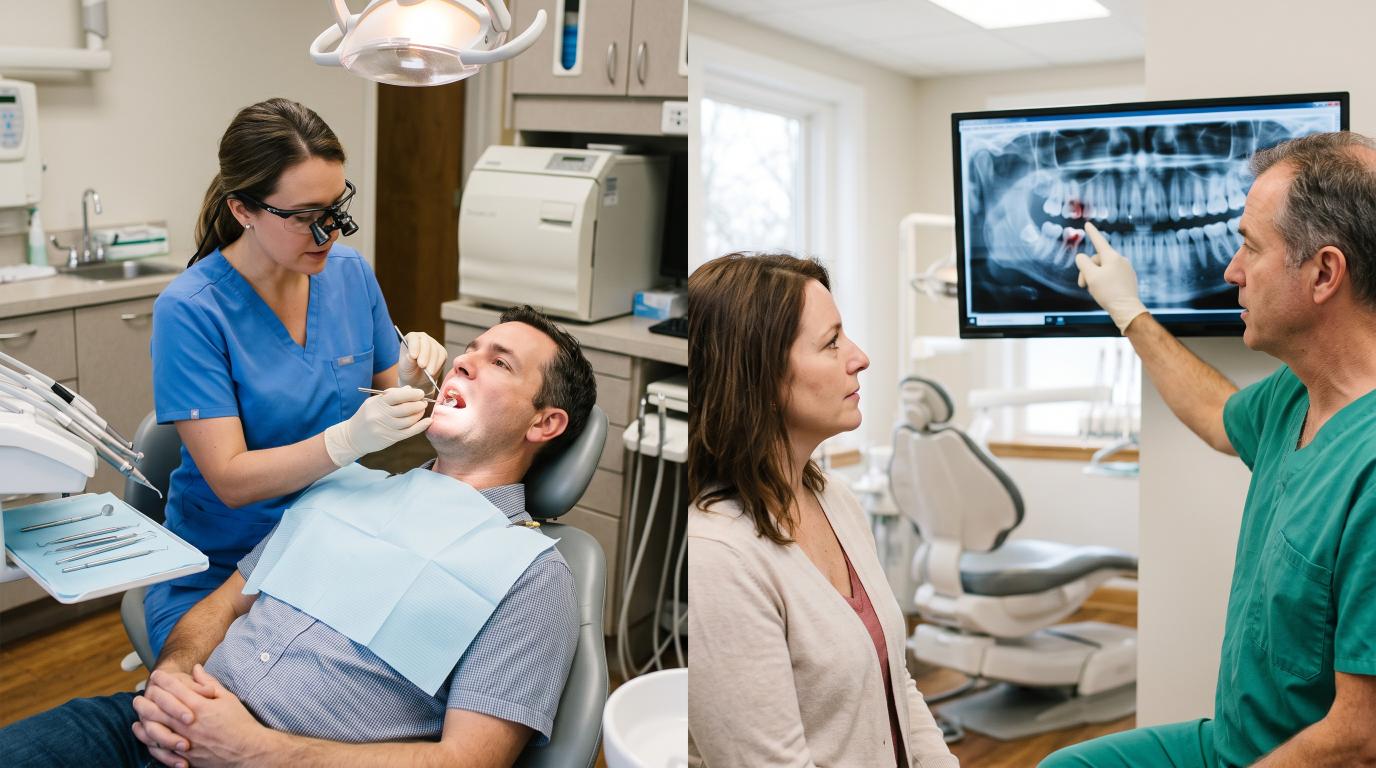
A root canal often takes longer during the treatment appointment than a simple extraction. Most root canals take about 60 to 90 minutes, while many extractions can be completed more quickly.
However, treatment time on that day is only part of the decision. Removing a tooth leaves a space that may later be replaced with an implant, bridge or denture. Those treatments can require additional visits and a much longer overall timeline.
A root canal may involve one or more appointments plus a final restoration, but its purpose is to keep your natural tooth when the tooth can still be successfully restored.
Book Root Canal Treatment in Mesa, AZ
Tooth pain rarely improves on its own when the inside of the tooth is badly infected or damaged. Ongoing pain, swelling, lingering temperature sensitivity or discomfort while chewing are reasons to have the tooth checked.
U Smile Family Dentistry in Mesa, AZ offers same-week appointments for tooth pain and possible infections. We’ll examine the tooth, take X-rays, and explain how long your root canal is likely to take and whether another visit may be needed. Call us or book online today to protect your natural smile.
Conclusion
How long a root canal takes depends mostly on the tooth and the complexity of its canals. A simple front tooth can often be treated faster than a molar with several canals, while severe infection or retreatment may require additional time or another appointment.
Recovery is usually short, and mild tenderness should gradually improve over the next few days. Completing any recommended filling or crown is also important because it helps protect the treated tooth from future damage.
If you’re in Mesa, AZ and dealing with tooth pain, an early exam is the best way to learn what treatment you need and how long the process is likely to take.
Frequently Asked Questions
Can a root canal be completed in one appointment?
Yes. Many root canals can be completed in one visit when the canals can be fully cleaned, disinfected and sealed. More complicated teeth may need another appointment.
Do molars take longer to treat than front teeth?
Usually. Molars often have more canals and more complex root shapes, so cleaning and sealing them can take longer than treating a front tooth.
Does an infected tooth take longer to treat?
It can. A severe infection may require additional cleaning or medication inside the tooth before the canals are permanently sealed.
How long does a root canal appointment usually last?
Most root canal appointments take about 60 to 90 minutes. More complex teeth may require additional time or another visit.
Will I need to take a day off work after a root canal?
Most people return to work or school the same day or the next day. If sedation is used, you should arrange a ride home and rest afterward.
How long does it take to recover from a root canal?
Mild tenderness usually improves within a few days. Contact a dentist if pain becomes stronger or swelling increases instead of improving.
How soon can I get a crown after a root canal?
Timing depends on the tooth and the type of crown being used. Some crowns can be placed quickly, while lab-made crowns usually require a separate appointment.
Is a root canal faster than having a tooth extracted?
An extraction is usually faster during the treatment appointment. However, replacing the missing tooth later can require more appointments than keeping the tooth with root canal treatment.