
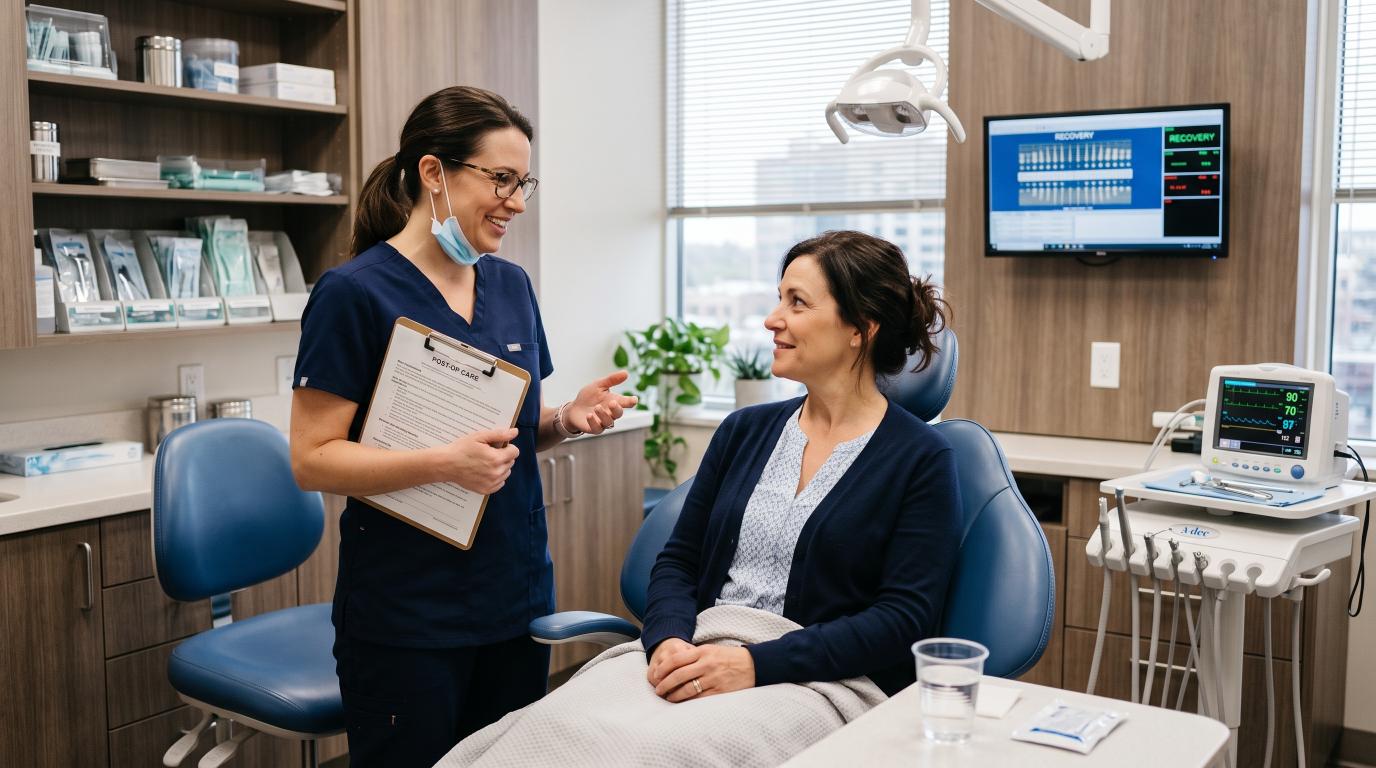
How long does dental sedation last? Laughing gas usually wears off within 5 to 15 minutes after it is stopped, while oral and IV sedation can affect you for several hours. Some medications may continue to affect your judgment and reaction time for up to 24 hours. The exact recovery time depends on the sedative, dose, and how your body responds.
At U Smile Family Dentistry in Mesa, AZ, patients can learn about dental sedation, how long its effects last, and what to expect after treatment. Nitrous oxide generally allows faster recovery, while oral conscious sedation and IV sedation require more time and additional precautions. General anesthesia also requires careful monitoring and recovery instructions.
Most patients gradually become more alert as the medication wears off, but feeling awake does not always mean full recovery. You may need someone to drive you home, avoid work, and rest for the remainder of the day. Understanding your sedation recovery time before the appointment can help you prepare and return to normal activities safely.
What Does Dental Sedation Feel Like?
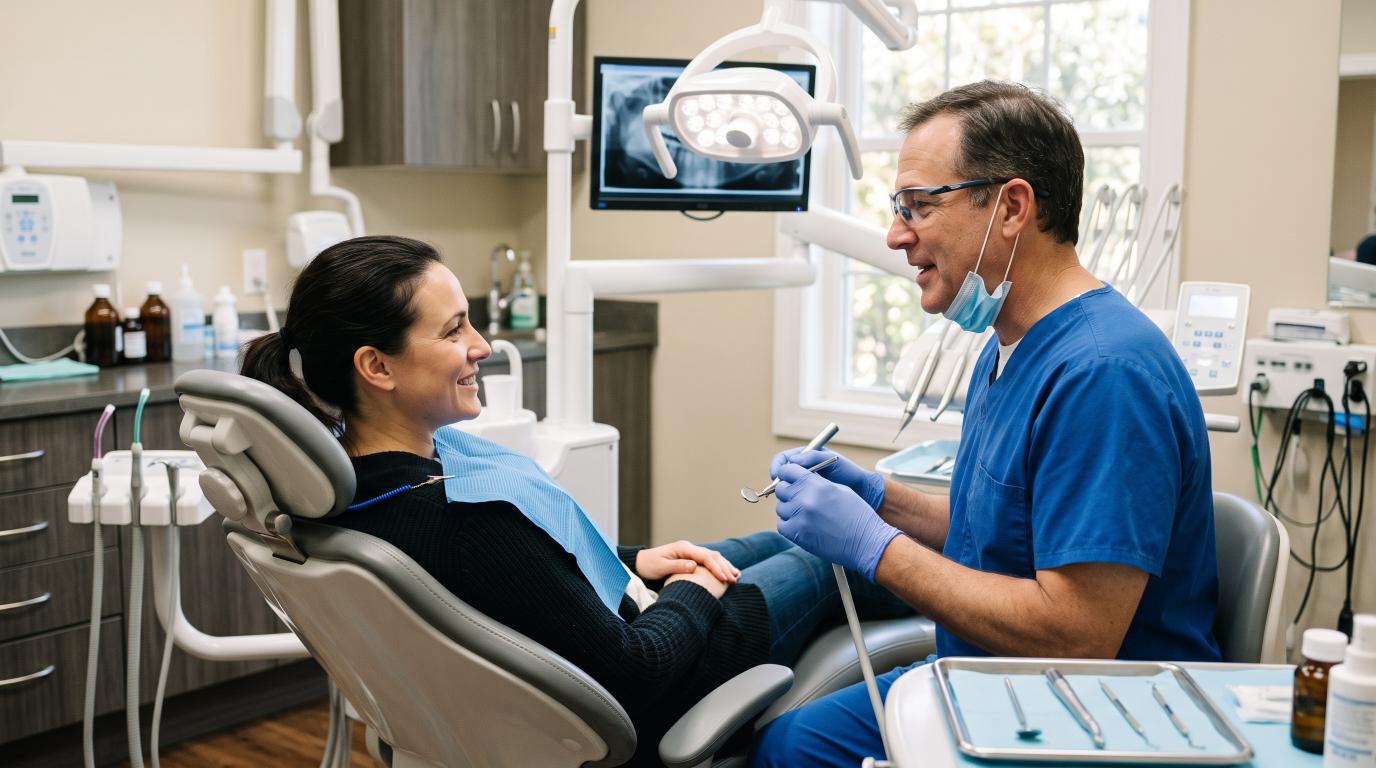
Most patients describe the experience as calm, relaxed, or sleepy. With a lighter option, you may stay awake and continue to hear the dentist, answer questions, and follow simple instructions. You may simply feel less worried about what is happening around you. A stronger dose can make you much more drowsy. You might drift in and out of sleep or remember only parts of the visit. Information on office-based sedation explains that this approach can help people who are fearful, have a strong gag reflex, need invasive care, or have difficulty tolerating treatment.
Being relaxed does not always mean being unconscious. With conscious methods, the goal is often to reduce fear while allowing you to respond when needed. General anesthesia is different because it produces a controlled state of unconsciousness. The exact feeling depends on the medicine and depth chosen for the procedure. The clinic monitors the response and vital signs when needed.
Types of Sedation Used in Dental Care
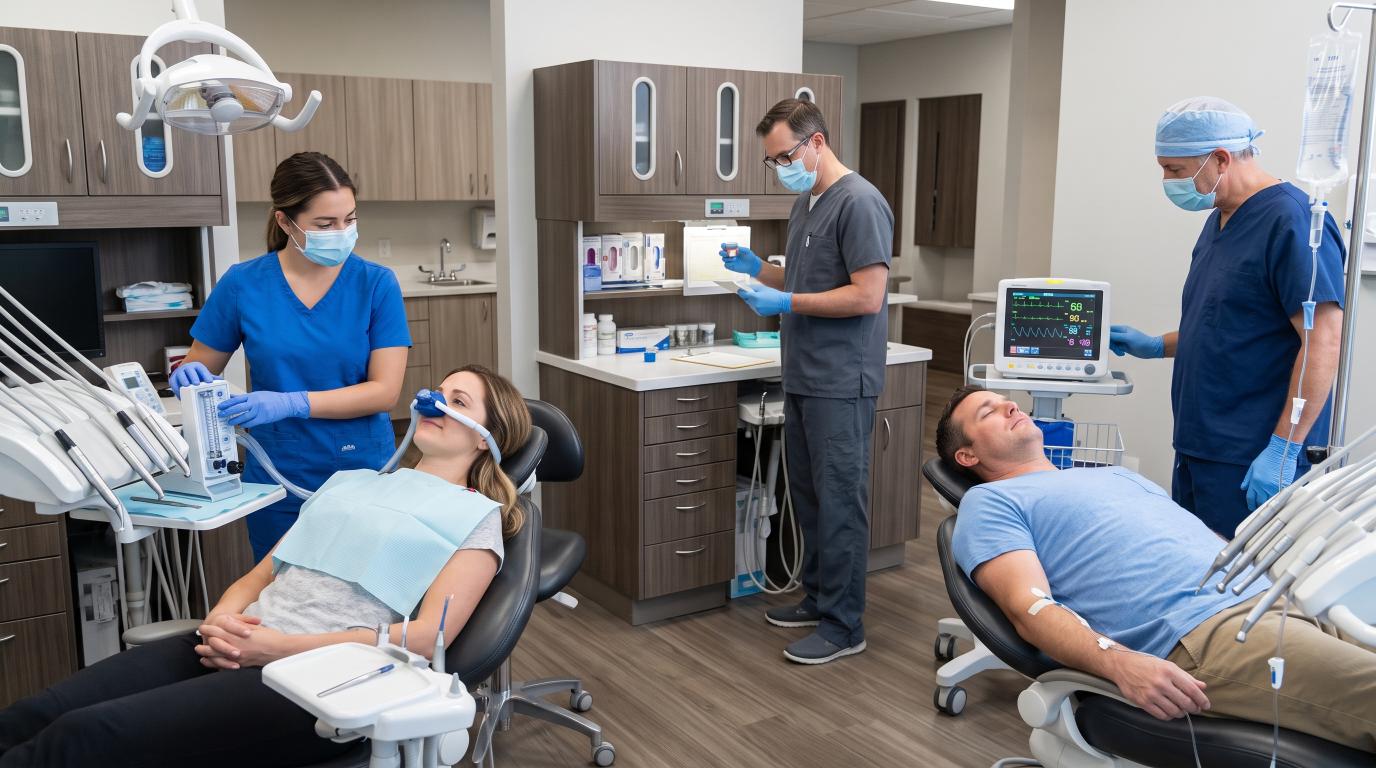
Several methods can be used to make treatment easier for an anxious or uncomfortable patient. They differ in how they are given, how quickly they begin working, and how long their effects remain. Published evidence comparing inhaled and intravenous methods describes nitrous oxide with oxygen as a common inhaled option, while medicines such as midazolam have been used intravenously.
Nitrous Oxide
Nitrous oxide, or laughing gas, is breathed through a small mask or nosepiece. It begins working quickly and helps you feel calm while staying awake. The effects usually fade soon after the gas is stopped because it leaves the body through breathing.
Oxygen may also be given briefly before you leave. Recovery is often faster than with oral or IV medicine. Follow the clinic’s advice before driving or returning to normal activities.
Oral Sedation
Oral sedation uses prescribed medicine taken before treatment. Depending on the dose, you may feel relaxed, sleepy, or remember very little about the appointment. Because the medicine must be processed by the body, its effects can continue for several hours.
Reaction time and coordination may also remain reduced. Driving is usually restricted afterward. A dentist can explain how long you should rest based on the medicine and dose used.
IV Sedation
IV medicine is delivered directly through a vein, so it begins working quickly and can be adjusted during treatment. Evidence covering medicines used for dental procedures found that midazolam was the most frequently used medicine among the selected clinical trials for moderate levels during dental surgical procedures.
You may feel very sleepy and remember little about the visit. Drowsiness and slower reactions can remain afterward, so transportation home is generally required.
General Anesthesia
General anesthesia creates a controlled state of unconsciousness. It may be used when lighter methods are not suitable for the procedure or patient’s needs. Recovery can include tiredness, nausea, weakness, or temporary confusion as the medicine wears off. Patients are monitored before leaving and need help getting home. Follow the clinic’s instructions before returning to normal activities.
What Happens When the Effects Wear Off?

Dental sedation wears off gradually as the medication’s effects decrease. You may become more alert before your balance, memory, and reaction time have fully recovered. How quickly this happens depends on the sedation method, medication, and your body’s response.
How Do Dentists Know When You Have Recovered From Sedation?
Before discharge, the dentist checks whether you are alert, breathing normally, and stable enough to leave. After stronger sedation, monitoring may include your blood pressure, oxygen levels, and ability to respond to questions.
A 2016 review by Janet H. Southerland and Lawrence R. Brown discusses conscious IV sedation and the importance of patient assessment and monitoring. These checks help guide safe care, but being ready to leave does not always mean every effect of the medication has disappeared.
Feeling Tired After Dental Sedation
Feeling sleepy or less energetic is common after oral or IV sedation. Some patients recover their normal alertness within several hours, while others may experience lingering tiredness later that day. Rest in a comfortable place, drink fluids when permitted, and avoid activities requiring concentration until your dentist’s recommended recovery period has passed.
Why Your Mouth May Still Feel Numb
Local anesthesia is different from dental sedation. It blocks pain in a particular area, while sedation helps reduce anxiety or awareness during treatment. Your lips, tongue, or cheeks may remain numb after you feel fully awake. Avoid chewing until normal sensation returns to reduce the risk of accidentally biting your mouth.
Eating and Drinking After Sedation
When you can eat depends on your alertness, the procedure performed, and whether your mouth is still numb. Some treatments require soft foods, while others allow you to return to your usual diet when it is safe. Follow the instructions provided by your dentist, especially if you have received medication that can affect swallowing, coordination, or alertness.
Factors That Affect How Long the Effects Last
There is no single recovery period that fits every patient. Two people receiving similar treatment may feel normal at different times because their bodies do not process medicines in exactly the same way.
|
Factor |
Why It Matters |
|
Method used |
Laughing gas usually clears faster than oral medicine, IV medicine, or general anesthesia. |
|
Medication and amount |
Different drugs stay active for different periods, and a higher dose may take longer to wear off. |
|
Procedure length |
A longer appointment may require medication to be maintained for more time. |
|
Metabolism |
The body may process the same medicine faster in one person than another. |
|
Current medications |
Some prescription or over-the-counter drugs may interact with medicines used during treatment. |
|
Medical history |
Existing health conditions can affect planning, monitoring, and recovery. |
|
Age and overall health |
These factors can influence how a person responds and how quickly normal alertness returns. |
Can You Drive or Go to Work Afterward?

Returning to daily activities depends on the medication used and how much recovery time your dentist recommends. Although you may feel awake shortly after treatment, some sedatives can continue affecting judgment, coordination, and concentration.
When Can You Drive After Dental Sedation?
Nitrous oxide usually wears off within minutes after treatment, so patients can often drive once they have recovered and the dentist confirms it is safe. After oral sedation, IV sedation, or general anesthesia, driving restrictions are usually longer. Many patients are instructed to avoid driving for at least 24 hours, depending on the medication and treatment. Arrange transportation in advance whenever your dentist requires it.
When Can You Return to Work or School?
Some patients can return to their usual activities soon after nitrous oxide, while those receiving stronger medication often need the rest of the day to recover. Jobs involving vehicles, machinery, heights, heavy physical activity, or important decisions require additional caution. Do not return to these activities while medication effects remain or before the recommended restriction period has ended.
How to Prepare for Recovery
A few simple steps can make the appointment and the hours afterward easier. A dentist may give different directions based on your health and the type of medicine planned, so follow those instructions first.
- Follow food and drink directions. Do not eat or drink outside the limits given before the appointment.
- Arrange a ride when required. Set up transportation before arriving if you will not be allowed to drive afterward.
- Keep the rest of the day open. Avoid planning demanding work or important tasks if a longer recovery is expected.
- Discuss every medication you take. Include prescriptions, nonprescription drugs, vitamins, and supplements.
- Avoid alcohol as directed. Alcohol can interact with medicines and should not be mixed with them.
- Prepare what you need at home. Have approved food, water, prescribed medicine, and a comfortable place to rest ready.
Good planning removes the need to make arrangements while you are still tired. It also makes it easier to follow the clinic’s instructions without rushing back into normal activities too soon.
Schedule Your Sedation Consultation
If you’re concerned about dental anxiety or wondering how long dental sedation lasts, U Smile Family Dentistry in Mesa, AZ can help you understand the available sedation options and what recovery may involve. A dentist can review your medical history, discuss your concerns, and explain what to expect before and after treatment. Contact U Smile Family Dentistry today to schedule a consultation and learn which available option may suit your dental needs.
Conclusion
How long does dental sedation last? The answer depends on the method used and the patient’s response. Laughing gas commonly wears off within minutes, while oral sedation and IV sedation can leave you drowsy for several hours. Conscious sedation does not always cause complete unconsciousness, but its effects on memory, coordination, and judgment may continue after treatment.
Sedation recovery time also depends on the medication, dosage, overall health, and other medicines you take. Even when you feel normal, you may need to avoid driving, working, drinking alcohol, and making important decisions for up to 24 hours after certain types of sedation.
Before your appointment, ask a dentist how long your sedative is expected to last, whether you need transportation, and when you can safely resume daily activities. Following the instructions provided for your specific treatment is the safest way to manage recovery.
Schedule Your Sedation Consultation
If anxiety or fear makes dental visits difficult, U Smile Family Dentistry in Mesa, AZ can discuss ways to help you feel more comfortable during treatment. Tell the clinic about your concerns, medical history, current medications, and any questions you have about the recovery period.
Schedule a consultation with us today to discuss the options available for dental care. Before the procedure, ask how the medication will be given, what you may feel afterward, whether you will need a driver, and when you can safely return to a normal routine.
Frequently Asked Questions
How Long Does It Take to Feel Normal After Dental Sedation?
Nitrous oxide may wear off quickly, while oral or IV medication can affect you for several hours. You may feel awake before your coordination and reaction time fully return. Follow the clinic’s instructions before driving or returning to normal activities.
Can It Make You Tired the Next Day?
Yes, stronger medication can sometimes leave you tired later that day or the next morning. This depends on the medicine, dose, procedure, and how quickly your body processes it. Contact a dentist if the tiredness feels unusual, severe, or gets worse.
How Long Does Nitrous Oxide Stay in Your System?
Nitrous oxide usually clears quickly after the gas is stopped because it leaves through breathing. Most patients become alert much sooner than they would after oral or IV medication. The clinic should confirm when you can safely leave and return to normal activities.
How Long Can Oral Sedation Affect You?
Oral medication can continue affecting you for several hours after treatment. You may still feel sleepy, slow, or less alert after leaving the clinic. Ask a dentist about the expected recovery time for the medicine you receive.
Do You Need Someone to Drive You Home?
Often, yes, especially after oral medicine, IV medication, deeper sedation, or general anesthesia. You may feel awake while your reaction time and judgment are still affected. Arrange a responsible adult to drive you home if the clinic requires it.
Can You Eat Normally After a Sedated Dental Procedure?
It depends on the procedure and whether your mouth is still numb. You may need to wait before chewing or follow a temporary soft-food plan. Follow the eating and drinking instructions provided by the clinic.