
Dental fillings are used to fix cavities, small cracks, and damaged teeth. Dentists place fillings to repair the tooth and stop more decay from happening. There are different types of fillings, such as silver fillings, tooth-colored composite fillings, and porcelain fillings. Some fillings can last for many years, and some may even last up to 20 years with proper care. Fillings are one of the most common dental treatments because many people get cavities during their lives.
Regular dental checkups, brushing, and flossing can help protect both your teeth and your fillings from damage. Most people will need at least one filling at some point. If you are in Mesa, AZ or the surrounding North Mesa area, our team is here to help you choose the right filling material and keep it lasting as long as possible.
What Are Dental Fillings?
A dental filling is used to repair a tooth that has been damaged by a cavity or minor crack. The dentist removes the decayed part of the tooth, cleans the area, and fills it in with a special material to restore its shape and function. Without a filling, a cavity will keep getting worse and can eventually cause serious pain or infection. Fillings are used for several reasons including repairing cavities, fixing chipped teeth, and replacing worn down tooth surfaces.
How Long Do Teeth Fillings Last?
Most dental fillings last between 5 and 15 years, but some can last much longer depending on the type of material used and how well you take care of them. Gold fillings can last up to 30 years, while glass ionomer fillings may only last around 5 years.
The lifespan of your filling also depends on how large it is, where it is located in your mouth, and your daily habits like brushing, diet, and whether you grind your teeth. No two fillings are exactly the same, which is why regular dental checkups are so important to catch any issues early.
Dental Filling Lifespan by Material
The lifespan of a dental filling largely depends on the material used. Composite fillings typically last 5–10 years, amalgam fillings 10–15 years, ceramic fillings 10–15 years, and gold fillings 20 years or longer. Choosing the right material and maintaining good oral hygiene can help extend the life of your filling.
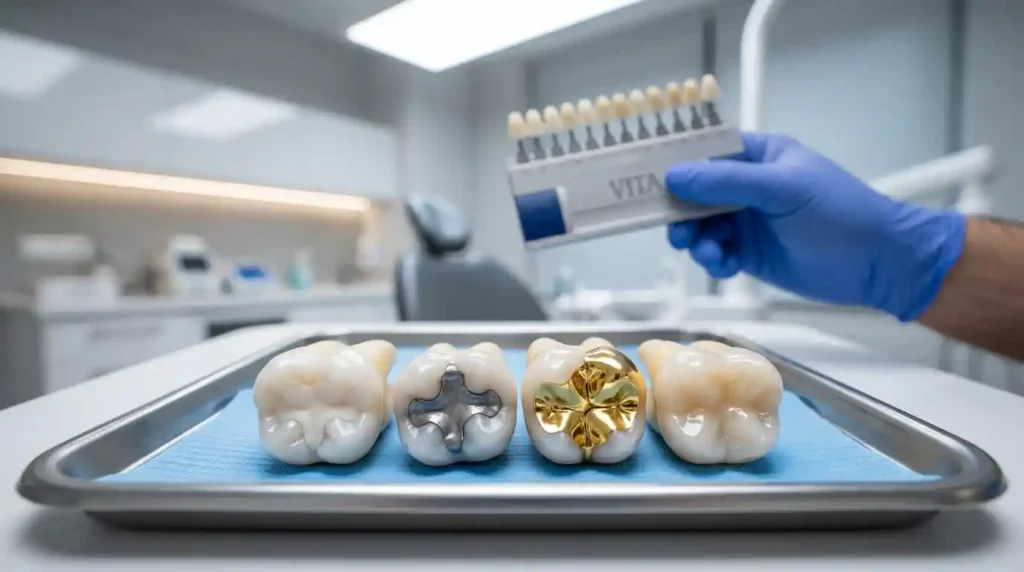
Types of Dental Fillings and How Long They Last
Different types of dental fillings can last for different lengths of time depending on the material used.
Composite Fillings (White Fillings)
Composite fillings are made from a mixture of plastic resin and fine glass particles. They are tooth-colored, which helps them blend naturally with your teeth. Composite fillings bond directly to the tooth surface and may stain over time with coffee, tea, or red wine.
Amalgam Fillings (Silver Fillings)
Amalgam fillings have been used in dentistry for over 150 years. They are made from a blend of metals including silver, tin, copper, and mercury. Their strength makes them a popular choice for back teeth, and they are one of the most affordable filling options.
Gold Fillings
Gold fillings are extremely durable and resistant to wear. They are usually made in a dental lab and require at least two visits to a place. The downside is that they are the most expensive type of filling and their gold color is very noticeable.
Ceramic or Porcelain Fillings
Ceramic fillings, also called porcelain fillings, are tooth-colored and stain-resistant. They provide a natural appearance with better durability than composite fillings. However, they are usually made in a dental lab and can be more expensive.
Glass Ionomer Fillings
Glass ionomer fillings are made from a mix of glass and acrylic. They are commonly used for small cavities, children’s teeth, or areas that do not experience heavy chewing pressure. A unique advantage is that they release fluoride, which helps protect the tooth from further decay.

Daily Habits That Impact Filling Lifespan
- Your daily habits play a big role in how long your teeth filling lasts.
- Poor brushing and flossing habits allow plaque and bacteria to build up around the filling, which can cause new decay to form underneath it.
- Teeth grinding or clenching puts extra pressure on fillings and wears them down much faster than normal chewing would.
- Chewing on hard foods like ice, hard candy, or crusty bread can crack or chip a filling, especially older ones that have already started to weaken.
- Smoking weakens the teeth and gums over time and slows down the natural healing process after dental procedures.
- Drinking a lot of sugary or acidic drinks like soda, juice, or sports drinks can damage the tooth structure around the filling and increase the risk of new cavities forming.
Factors That Affect Dental Filling Lifespan
Several factors can affect how long dental fillings last, including the type of filling material, the size and location of the filling, and your overall oral health. Stronger materials like gold and amalgam usually last longer, while larger fillings and those placed in back teeth experience more pressure and may wear out faster.
Good brushing and flossing habits, regular dental checkups, and limiting sugary or hard foods can help fillings last longer. On the other hand, teeth grinding, smoking, and poor oral hygiene can shorten the lifespan of a filling and increase the risk of replacement.
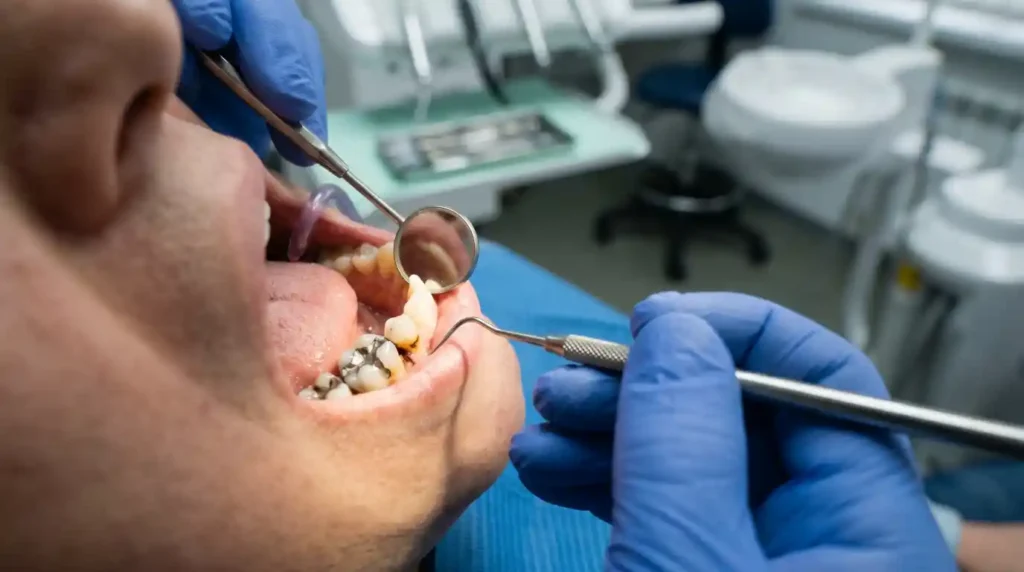
Signs Your Dental Filling May Need Replacement
Watch for these warning signs that may mean your dental filling is damaged, worn out, or needs to be replaced.
Tooth Pain or Sensitivity
If you start feeling pain or sensitivity in a tooth that had no issues before, it could be a sign that your filling is worn out or cracked. Sensitivity to hot, cold, or sweet foods is one of the earliest warning signs that something is wrong underneath or around the filling.
Visible Cracks or Dark Spots
Take a close look at your filling from time to time. If you can see a visible crack, chip, or dark discoloration forming around the edges of the filling, that is a clear sign it may need to be replaced. Dark spots around a filling usually mean new decay is forming, which can get worse quickly if it is not treated early.
Food Getting Stuck in the Same Spot
If food keeps getting trapped in the same area every time you eat, your filling may have shifted, cracked, or developed a small gap. This gap allows food and bacteria to collect in that spot, which increases the risk of a new cavity forming underneath the filling.
Can a Filling Be Repaired Instead of Replaced?
Not every damaged filling needs to be fully replaced. If the filling has a very minor chip or rough edge, your dentist may be able to smooth it out or add a small amount of material to fix it. However, if the filling is cracked, loose, heavily worn, or if new decay has formed around or underneath it, a full replacement is usually necessary. Your dentist will examine the tooth and take X-rays to decide the best option. Catching the problem early gives you more choices and usually means a simpler and less costly fix.
Tips for Protecting Your Fillings
- Brush your teeth twice a day with fluoride toothpaste to keep the area around your filling clean and free of decay.
- Floss every day to remove food and bacteria from between your teeth where fillings can be most vulnerable.
- Visit your dentist every 6 months for a professional cleaning and checkup so any filling issues are caught early.
- If you grind your teeth at night, ask your dentist about a night guard to protect your fillings from extra pressure.

What Happens During a Filling Replacement?
Getting a filling replaced is a straightforward process that is usually done in a single visit. Your dentist will first numb the area around the tooth so you do not feel any pain. Then they remove the old filling, clean out any decay or bacteria that may have built up underneath it, and place a fresh filling material that is shaped and polished to fit your bite correctly.
Most people feel little to no discomfort during the procedure. There may be some mild sensitivity for a day or two after the numbness wears off, but this goes away on its own very quickly.
White Fillings vs Silver Fillings
|
Feature |
White Fillings (Composite) |
Silver Fillings (Amalgam) |
|
Appearance |
Tooth-colored and blend naturally with teeth |
Silver color and more noticeable |
|
Average Lifespan |
5–10 years |
10–15 years or longer |
|
Durability |
Good for small to medium cavities | Very strong and durable |
| Best Location | Front teeth and visible areas |
Back teeth with heavy chewing pressure |
|
Cost |
More expensive | More affordable |
|
Bonding Strength |
Bonds directly to the tooth |
Does not bond to the tooth structure |
|
Stain Resistance |
May stain over time |
Does not stain |
| Mercury Content | Mercury-free |
Contains a small amount of mercury |
|
Appearance Preference |
Better for a natural-looking smile |
Better for strength and durability |
|
Ideal For |
Patients concerned about aesthetics |
Patients looking for a long-lasting and budget-friendly option |
How Much Do Dental Fillings Cost?
The cost of a dental filling depends on several things including the type of filling material, the size and location of the cavity, and whether you have dental insurance. Amalgam silver fillings are generally the least expensive option, while composite white fillings cost a little more because of the material and extra care involved.
Gold and ceramic fillings tend to be the most expensive since they require more detailed preparation and sometimes more than one visit. Dental insurance often covers part or all of the cost of basic fillings, so it is always a good idea to check with your provider before your appointment to avoid any surprises.
Wondering How Long Your Dental Filling Will Last? Visit Us in Mesa, AZ
If you have had a dental filling for several years, or if you are noticing sensitivity, pain, or any changes in how your tooth feels, do not wait until the problem gets worse. A worn or damaged filling that is left untreated can lead to deeper decay, infection, or even tooth loss.
At U Smile Family Dentistry in North Mesa, AZ, our experienced dental team is here to help you with everything from routine filling checkups to full replacements. We use modern materials and the latest techniques to make sure your filling looks natural and lasts as long as possible. Contact us. Whether you are interested in tooth-colored composite fillings for a natural appearance or a stronger option for your back teeth, we will help you choose the best material for your specific needs.
Conclusion
Dental fillings typically last between 5 and 15 years, with composite fillings on the shorter end and gold or amalgam fillings often lasting well beyond that with good care. What affects that lifespan the most is the material used, the size and location of the filling, and daily habits like brushing, diet, and whether you grind your teeth at night.
Watching for warning signs like new sensitivity, visible cracks, dark spots, or food getting stuck in the same spot helps you catch a failing filling early, when repair is still an option instead of a full replacement. If it has been years since your filling was placed, or you have noticed any of these changes, U Smile Family Dentistry in Mesa, AZ can check it during your next visit and help you decide on the best next step.
Frequently Asked Questions
How do I know if my filling is worn out?
Common signs include tooth pain or sensitivity, visible cracks or dark spots around the filling, food getting stuck in that area, or a rough surface where the filling used to feel smooth. Your dentist can confirm this during a routine checkup with a visual exam or X-rays.
Can dental fillings last a lifetime?
Most fillings do not last a lifetime, but some come close. Gold fillings are the longest lasting and can survive 20 to 30 years with proper care. Amalgam fillings can last 15 years or more. No filling is truly permanent, but good oral hygiene and regular dental visits can help them last as long as possible.
Do fillings hurt when they are replaced?
Your dentist will numb the area before removing the old filling, so you should not feel any pain during the procedure. You may experience some mild sensitivity for a day or two afterward, which is completely normal and usually goes away on its own.
How often should fillings be checked?
Your fillings should be checked at every routine dental visit, which is typically every 6 months. Your dentist will look for signs of wear, cracking, or new decay forming around the edges of the filling.
Can a cavity form under a filling?
This is called secondary decay or recurrent decay. It happens when bacteria get in through small cracks or gaps in the filling. This is one of the main reasons why regular dental checkups are so important, as your dentist can catch this early before it becomes a bigger problem.