
Dental veneers are thin shells placed on the front surface of teeth to improve their appearance. In most cases, a dentist removes a very small amount of enamel from the front of the tooth to make space for the veneer. This process is carefully done to preserve the strength and health of the natural tooth underneath.
Teeth under veneers do not disappear or get replaced; they stay intact beneath the veneer layer. With proper oral hygiene and regular dental checkups, the natural teeth under veneers can remain healthy for many years while the veneers provide a durable and natural-looking smile. Patients considering veneers in Mesa, AZ can benefit from professional dental care to ensure safe treatment and long-lasting results.
What Happens to Teeth Under Veneers?
If you are looking for a fast overview before diving into the details, here is what you need to know:
- A small amount of enamel (typically 0.3–0.7 mm) is removed from the front surface of the tooth during preparation.
- Teeth are reshaped slightly so the veneer sits flush and natural-looking.
- Veneers bond permanently to the front surface of the tooth using dental cement.
- Natural teeth remain alive and functional under the veneer.
- With good oral hygiene, the underlying teeth can remain healthy for the lifespan of the veneers and beyond.
What Are Dental Veneers?
Dental veneers are thin, custom-made shells designed to cover the front surface of a tooth. They are permanently bonded with dental adhesive, becoming part of the tooth’s visible structure. Because they mimic the light-reflecting properties of natural enamel, a skilled dentist can make them virtually indistinguishable from your real teeth.
Types of Dental Veneers
There are several types of veneers, each with unique advantages and considerations:
- Porcelain veneers: The gold standard for aesthetics and durability. Porcelain closely mimics natural enamel and is highly stain-resistant. These usually require the most enamel removal.
- Composite veneers: Made from tooth-colored resin and often applied directly in a single visit. Less expensive but not as durable or stain-resistant as porcelain.
- Minimal-prep / no-prep veneers: Brands like Lumineers require little to no enamel removal. Ideal for certain cosmetic issues, though not suitable for every case.
Why Dentists Recommend Veneers
Veneers are often recommended for patients with:
- Severely discolored teeth that do not respond to whitening
- Chipped or cracked teeth affecting the smile
- Small gaps between teeth that the patient prefers not to correct with braces
- Uneven, worn, or misshapen teeth that detract from an otherwise healthy smile
What Happens to Your Teeth During the Veneer Procedure?
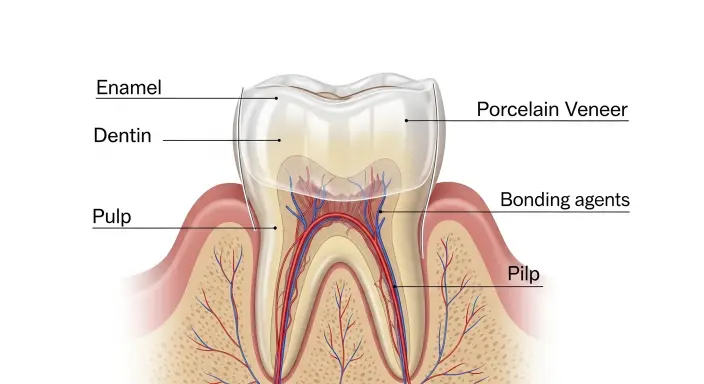
During the veneer procedure, your natural teeth are carefully prepared and protected to ensure both safety and a long-lasting, natural-looking result.
Consultation and Smile Design
The process begins with a thorough dental evaluation. Your dentist will assess the health of your teeth and gums, take X-rays, and discuss your cosmetic goals. Veneers are only suitable for patients with healthy teeth; any underlying decay or gum disease must be treated first. Many dentists use digital imaging or mock-ups to show you a preview of your new smile before any work begins.
Enamel Preparation
This step often raises the most concern. To make space for the veneer, a thin layer of enamel typically 0.3 to 0.7 millimeters, about the thickness of a contact lens, is removed from the front of the tooth. Local anesthetic is usually applied to keep the procedure comfortable. Because this enamel reduction is permanent, veneers are considered an irreversible cosmetic treatment.
Tooth Impressions
After preparation, your dentist takes precise impressions using either physical molds or digital scans. These impressions are sent to a dental laboratory, where skilled technicians craft custom veneers that match your desired shape, size, and shade perfectly.
Temporary Veneers
While your permanent veneers are being fabricated usually within one to two weeks—temporary veneers are placed over the prepared teeth. They protect the exposed surfaces and give you a preview of your final smile.
Permanent Veneer Bonding
At the final appointment, the temporary veneers are removed. The teeth are cleaned and etched to create an optimal bonding surface, and the permanent veneers are cemented with strong dental adhesive activated by a curing light. Your dentist will check your bite, make any minor adjustments, and polish the veneers for a natural, seamless finish.
What Do Natural Teeth Look Like Under Veneers?
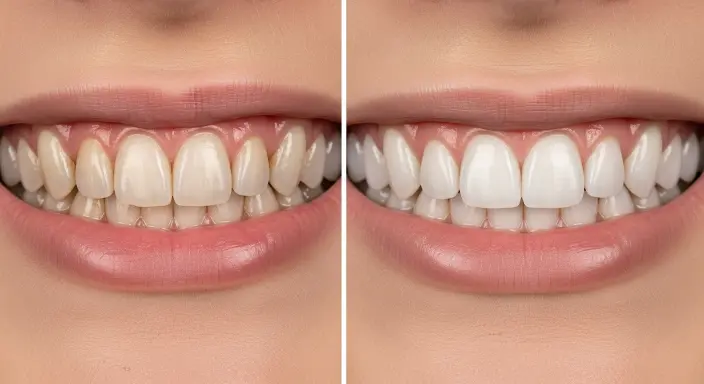
Even though veneers cover the front of the tooth, the natural tooth underneath remains fully alive and functional.
Teeth Before Veneers
Before any preparation, the tooth has its full enamel surface smooth, hard, and naturally protective. The enamel is the outermost layer and acts as the tooth’s primary shield against bacteria, temperature extremes, and physical wear.
Teeth After Preparation
Once the enamel has been reduced, the tooth looks slightly smaller than its original size and has a mildly roughened texture. This roughening is intentional; it creates a better surface for the dental cement to bond to. At this stage, the teeth are more sensitive to temperature and touch, which is why temporary veneers are placed immediately.
Teeth After Veneers Are Placed
Once the permanent veneers are bonded, the prepared tooth is fully enclosed on the front by a thin ceramic or resin shell. The tooth itself including its root, pulp, and dentin remains completely intact underneath. The veneer simply replaces the small amount of enamel that was removed, restoring both the appearance and a degree of surface protection.
Important point: The full natural tooth structure still exists underneath the veneer. The nerve is alive, blood flows to the tooth, and the root remains anchored in the jaw. A veneer is a surface treatment, not a structural replacement.
Do Veneers Ruin Your Natural Teeth?
Much of the fear around veneers comes from exaggerated or outdated images online showing heavily filed-down teeth that resemble small pegs. These images are typically from older techniques or cases involving dental crowns, a very different procedure that removes far more tooth structure. Modern porcelain veneer preparation is far more conservative.
The Reality of Enamel Removal
Yes, some enamel is permanently removed. That is a fact and should not be minimized. However, the amount removed less than a millimeter is the minimum necessary to ensure the veneer does not look bulky or unnatural. Minimal-prep veneers push this even further, requiring little to no enamel reduction for suitable candidates.
When Veneers Can Cause Problems
While veneers are generally safe, problems can arise in certain situations:
- Poor dentist technique: Removing too much enamel or failing to achieve a proper seal at the veneer margins can lead to sensitivity, decay, or failure.
- Incorrect bite alignment: Veneers placed without proper attention to how the upper and lower teeth meet can cause chipping, fracturing, or jaw discomfort.
- Poor oral hygiene: Neglecting to brush, floss, or attend regular check-ups increases the risk of decay forming where the veneer meets the natural tooth.
Can Teeth Decay Under Veneers?
Yes, Cavities Can Still Form. One of the most important things to understand about veneers is that they do not make your teeth immune to decay. The porcelain or composite shell itself cannot develop a cavity but the natural tooth underneath certainly can. Bacteria and plaque can still accumulate around the edges of the veneer and on the back surfaces of the tooth, leading to decay if not properly managed.
Where Decay Usually Happens
The most vulnerable areas for decay in veneered teeth include:
- The edges of the veneer: Where the ceramic or resin meets the natural tooth, microscopic gaps can harbor bacteria if the bond is not perfect or if it wears over time.
- The gumline: Plaque tends to accumulate at the gum margin, making this a common starting point for decay.
- The back of the tooth: Veneers only cover the front surface, leaving the back of the tooth fully exposed and susceptible to cavities.
Signs of Decay Under Veneers
Watch for these warning signs that something may be wrong under a veneer:
- Increased tooth sensitivity to hot, cold, or sweet foods
- A dark line or shadow visible around the edge of the veneer
- Gum swelling or redness around the veneer
- Persistent pain or discomfort that does not resolve on its own
Are Teeth Weaker Under Veneers?
Many people worry that veneers make teeth weaker, but in most cases, natural teeth remain strong and healthy. While a thin layer of enamel is removed to fit the veneer, this reduction is minimal and carefully done to preserve the structural integrity of the tooth. The underlying tooth, including dentin and pulp, stays intact, so the tooth continues to function normally for biting and chewing.
In fact, veneers can provide a degree of protection to the front surface of the tooth. Porcelain or composite veneers act as a durable shield against staining, minor chips, and everyday wear. With proper oral hygiene and regular dental checkups, teeth under veneers can stay strong and healthy for many years, making veneers a safe and long-lasting cosmetic solution.
Risks and Side Effects of Veneers

While veneers can dramatically improve the appearance of your smile, it’s important to understand the potential risks and side effects before getting them.
Temporary Tooth Sensitivity
After enamel preparation, many patients experience heightened sensitivity to temperature, especially cold, for several days to a few weeks. This usually resolves once the permanent veneers are bonded. Using toothpaste for sensitive teeth can help during this period.
Veneer Chipping or Cracking
Porcelain veneers are durable but not indestructible. Biting hard foods, using teeth as tools, or grinding can chip or crack a veneer. A chipped veneer must be replaced entirely. Wearing a night guard if you grind your teeth is strongly recommended.
Gum Irritation
Poorly fitted veneers or leftover cement at the gum line can irritate surrounding tissue. Well-placed veneers from an experienced dentist minimize this risk.
Need for Replacement Over Time
Veneers are long-lasting but not permanent. Porcelain veneers typically last 10–15 years, while composite veneers last 5–7 years. Replacement may require slight additional enamel removal to fit the new veneer.
Benefits of Veneers for Your Teeth
Veneers not only enhance your smile but also provide practical protection and long-lasting results for your natural teeth.
Protects the Front Tooth Surface
Porcelain veneers create a hard, smooth surface that shields the front of the tooth from staining, acid erosion, and minor impacts. For teeth with enamel wear or light surface damage, this protection is a real clinical benefit, not just cosmetic.
Improves Smile Appearance
Veneers can transform your smile in just a few appointments, correcting stained, chipped, gapped, or uneven teeth with natural-looking, long-lasting results.
Stain Resistant
Porcelain veneers resist staining from coffee, tea, wine, and other common culprits. Unlike natural enamel, their surface does not absorb pigments readily, making them an excellent long-term investment.
Long-Lasting Cosmetic Improvement
Unlike whitening treatments that fade or bonding that may need frequent touch-ups, porcelain veneers provide a decade or more of sustained cosmetic improvement with minimal upkeep beyond regular oral hygiene.
How to Care for Teeth Under Veneers
Proper care ensures your veneers stay beautiful while keeping the natural teeth underneath strong and healthy.
Maintain Proper Oral Hygiene
Brush twice daily and floss at least once a day, paying close attention to the gumline and the edges where the veneer meets the natural tooth. Plaque and bacteria can affect veneered and unveneered teeth alike, so diligent hygiene is essential.
Use Non-Abrasive Toothpaste
Avoid whitening or abrasive toothpastes, which can scratch porcelain veneers and make them prone to staining or dulling. Choose a gentle, non-abrasive toothpaste specifically designed for veneers or sensitive teeth.
Avoid Hard Foods and Damaging Habits
Chewing ice, hard candy, crusty bread, or un popped popcorn kernels or using your teeth as tools can chip or crack veneers. If you grind your teeth at night, ask your dentist about a custom night guard.
Visit Your Dentist Regularly
Professional check-ups every six months allow your dentist to monitor both the veneers and the teeth underneath. Early signs of decay, gum disease, or veneer wear can be addressed before they become serious problems.
How Long Do Teeth Under Veneers Last?
With proper care, porcelain veneers typically last 10 to 15 years, and some patients report them lasting 20 years or more. Composite veneers have a shorter lifespan, usually 5 to 7 years. The natural teeth underneath can remain healthy well beyond the life of any individual veneer, provided good oral hygiene is maintained.
Factors That Affect Longevity
Several factors influence how long veneers and the underlying teeth stay in good condition:
- Oral hygiene: Consistent brushing and flossing is the single most important factor.
- Teeth grinding (bruxism): Grinding can cause premature veneer failure; wearing a night guard is essential.
- Diet: Frequent acidic foods and drinks can erode the cement bond over time.
- Dentist skill: Accurate placement, proper bite assessment, and a perfect marginal seal are critical for long-term success.
Who Is a Good Candidate for Veneers?
Ideal Candidates
The best candidates for veneers are people who:
- Have structurally healthy teeth with no significant untreated decay or damage
- Are dealing with cosmetic imperfections such as staining, chips, gaps, or unevenness
- Practice good oral hygiene and are committed to maintaining it after the procedure
When Veneers May Not Be Recommended
Veneers are not appropriate for everyone. Your dentist may advise against them if you have:
- Severe tooth decay: Decayed teeth need restorative treatment before any cosmetic work.
- Active gum disease: Periodontal disease must be fully treated and stabilized first.
- Weak or insufficient enamel: Teeth with very little remaining enamel may not support a proper veneer bond, and other restorative options like crowns may be more suitable.
Alternatives to Dental Veneers
If veneers are not the right fit for your situation, several effective alternatives exist:
Dental Bonding
Composite resin is applied directly to the tooth and sculpted into shape in a single appointment. Bonding is less expensive and requires no enamel removal, but it is not as durable or stain-resistant as porcelain veneers and may need touching up every few years.
Teeth Whitening
For patients whose primary concern is discoloration, professional teeth whitening is a non-invasive, reversible option. It will not address chips, cracks, or shape irregularities, but for cosmetic staining it is often the simplest and most affordable solution.
Dental Crowns
When a tooth is structurally compromised, heavily decayed, cracked, or badly worn a crown may be more appropriate than a veneer. Unlike veneers, which only cover the front, crowns cap the entire tooth and provide full structural support. They require more enamel removal but offer superior protection for damaged teeth.
Orthodontic Treatment
Misaligned teeth, significant gaps, and bite issues are often better addressed with orthodontic treatment braces or clear aligners rather than veneers. Orthodontics treats the underlying positional problem, whereas veneers only address the surface appearance. In some cases, a combination of orthodontics followed by veneers produces the best overall result.
Ready to Enhance Your Smile with Veneers?
Thinking about improving your smile with veneers? Visit U Smile Dental and book an appointment to speak with an experienced cosmetic dentist. Our team in Mesa, AZ can help you achieve a natural-looking smile while protecting your dental health.
Conclusion
Veneers are a safe and effective way to improve your smile while preserving the health of your natural teeth. With proper placement, regular dental care, and good oral hygiene, teeth under veneers can stay strong and healthy for many years. Whether you’re considering porcelain or composite veneers, understanding the procedure, benefits, and risks helps you make an informed decision and achieve a smile that lasts.
Frequently Asked Questions
Can veneers damage my natural teeth?
When properly placed, veneers do not damage your natural teeth. Only a thin layer of enamel is removed, and the underlying tooth remains healthy and fully functional.
Can teeth decay under veneers?
Yes, the natural tooth under a veneer can still develop cavities. Proper oral hygiene and regular dental check-ups are essential to prevent decay at the edges of veneers.
How long do veneers last?
Porcelain veneers typically last 10–15 years, sometimes longer, while composite veneers last 5–7 years. The underlying teeth can remain healthy well beyond this period.
Are teeth weaker after getting veneers?
No. Veneers are applied conservatively to preserve tooth strength. In fact, they can protect the front surface of teeth from minor chips, wear, and staining.
How should I care for teeth under veneers?
Brush twice daily, floss at the gumline, avoid hard foods, and use non-abrasive toothpaste. Regular dental visits every six months help maintain both veneers and natural teeth.