
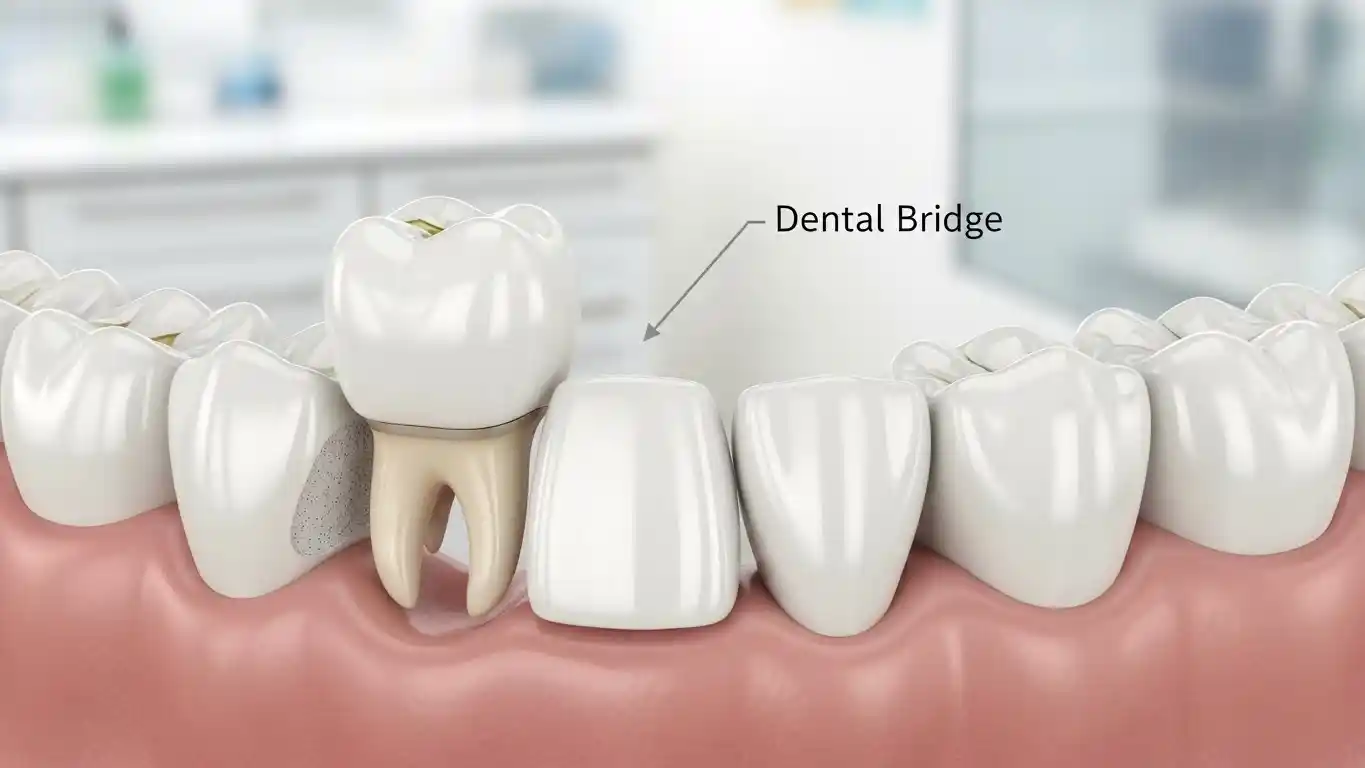
 A dental bridge typically lasts 5 to 15 years, but with proper care, it can last 20 years or longer. The lifespan depends on the type of bridge, the materials used, your oral hygiene habits, and regular dental checkups.
This guide covers everything you need to know about dental bridge longevity and how to maximize it. You’ll learn about different bridge types, maintenance tips, and warning signs of problems. We’ll also compare bridges with dental implants to help you understand your options. By the end, you’ll know exactly how to protect your investment and keep your smile healthy.
Understanding Dental Bridges
Dental bridges are one of the most popular ways to replace missing teeth. They’ve been helping people smile with confidence for many years. Before we talk about how long they last, it’s important to understand what a bridge actually is and the different types available. Each type of bridge works a bit differently and has its own benefits, so knowing your options can help you make the best choice for your situation.
What is a Dental Bridge?
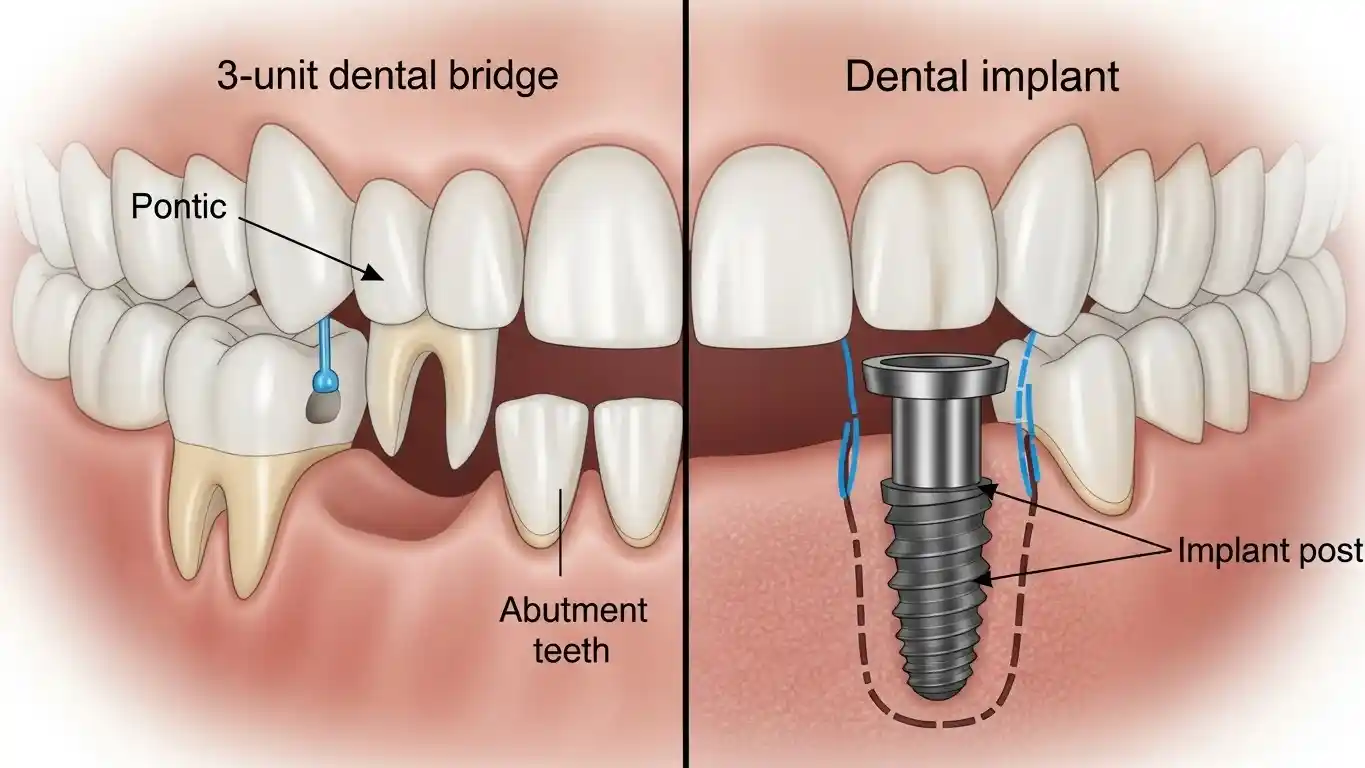
A dental bridge is a fake tooth (or teeth) that fills in the space left by missing teeth. It connects to the teeth on either side of the gap, just like a real bridge. The fake tooth in the middle is called a pontic, and the supporting teeth on both sides are called abutment teeth.
Types of Dental Bridges
Not all bridges are the same! There are several different types, and each one works a little differently.
Traditional Bridge
This is the most common type. Your dentist puts crowns on the teeth on both sides of the missing tooth to hold the fake tooth in the middle. Traditional bridges are strong and can last 10 to 15 years with good care.
Cantilever Bridge
A cantilever bridge only connects to one tooth instead of two. This type is used when you only have teeth on one side of the gap. Because it’s only supported by one tooth, cantilever bridges typically last 5 to 7 years.
Maryland Bridge
A Maryland bridge uses a metal or porcelain framework that sticks to the back of your nearby teeth instead of covering your whole tooth with crowns. These are gentler on your natural teeth but less strong, usually lasting 5 to 10 years.
Implant-Supported Bridge
This is the strongest and longest-lasting type. Instead of resting on your natural teeth, it’s held up by dental implants placed into your jawbone. These bridges can last 15 to 25 years or longer!
Fixed vs Removable Bridges
Fixed bridges are permanently attached to your teeth or implants – only your dentist can remove them. Removable bridges clip onto your existing teeth and you take them out daily to clean them. Fixed bridges are more sturdy and popular.
How Long Can a Dental Bridge Last?
Now for the big question – how long will your dental bridge actually last? The answer depends on several important factors, from the type of bridge you choose to how well you take care of it. Understanding what affects your bridge’s lifespan can help you get the most years out of your investment and keep your smile looking great.
Average Lifespan of Dental Bridges
The average dental bridge lasts between 5 to 15 years. With excellent care, many bridges last much longer – sometimes 20 years or more. The type of bridge matters too. Implant-supported bridges can last 20 to 30 years or longer because they’re anchored into your jawbone.
Factors Affecting the Longevity of a Dental Bridge
So what makes some bridges last longer than others? Several key factors determine how many years you’ll get from your bridge. Your oral hygiene habits, the materials used, your bite patterns, and regular dental visits all play important roles in your bridge’s longevity.
Oral Hygiene and Care
This is the most important factor. If you brush twice daily and floss regularly, you’re protecting your bridge. Food and bacteria can get trapped around it, leading to decay in the supporting teeth. Good cleaning habits keep your bridge and surrounding teeth healthy. Following the steps outlined in this guide on how to clean dental bridges helps reduce these risks and supports long-term oral health.
Material Used for the Bridge
The material matters. Porcelain bridges look natural but may chip faster than other materials. Metal bridges are strong and can last 15 years or more. Porcelain-fused-to-metal bridges offer both strength and appearance, usually lasting 10 to 15 years. Zirconia is one of the strongest materials available and can last 15 to 20 years or longer.
Bite and Dental Habits
How you use your teeth daily impacts your bridge. Grinding your teeth at night or chewing on ice and hard candy can damage your bridge. If you grind your teeth while sleeping, ask your dentist about a nightguard to protect your bridge.
Be careful with really hard or chewy foods. Your bridge can handle most foods, but eating hard or sticky foods frequently puts extra stress on it.
Regular Dental Checkups
Regular checkups are essential for making your bridge last longer. Your dentist can spot small problems before they become big ones. Visit for a cleaning and checkup every six months. During these visits, your dentist will ensure your bridge fits properly and the supporting teeth are healthy.
Replacement Timeline for Dental Bridges
Most dental bridges need replacement at least once during your lifetime. If you get a bridge in your 30s or 40s, you’ll likely need a new one after 10 to 15 years. Some people with excellent oral hygiene can extend that timeline. The supporting teeth can develop problems over time, like decay or gum disease, which might require earlier replacement.
Maintaining and Extending the Lifespan of Your Bridge
Want to get the most years possible out of your dental bridge? Here’s how to do it! Taking care of your bridge isn’t complicated, but it does require some daily attention and good habits. The effort you put in now will pay off with a bridge that stays strong and functional for many years to come.
Daily Care Tips for Dental Bridges
Taking care of your bridge should be part of your daily routine. Brush at least twice daily using a soft toothbrush and fluoride toothpaste. Be gentle but thorough, cleaning around where the bridge meets your gums.
Flossing is important but trickier with a bridge. For the area under your bridge, use a floss threader or water flosser. A floss threader helps get floss underneath to clean out food particles and bacteria. Water flossers use a stream of water to clean hard-to-reach spots effectively.
Consider using antimicrobial mouthwash to kill bacteria and keep your mouth fresh.
Avoiding Common Problems and Failures
There are some common problems that can cause bridges to fail early, but most of them are preventable. Gum disease is one of the biggest threats to your bridge. When your gums get infected, they can pull away from your teeth, making the teeth that support your bridge weak and loose.
Tooth decay is another major problem. The teeth holding up your bridge can still get cavities, especially around the edges where the crown meets the tooth. If decay gets bad enough, those supporting teeth might not be strong enough to hold your bridge anymore.
Watch what you eat, too. Try to avoid chewing on really hard things like ice, hard candies, or using your teeth to open packages. Sticky, chewy foods like caramel or taffy can sometimes pull at your bridge, so be careful with those as well.
Warning Signs That Need Immediate Attention
You should call your dentist right away if you notice any warning signs. If your bridge feels loose or wobbly, that’s not normal. Don’t wait to see if it gets better on its own.
If you see any cracks or chips in your bridge, even small ones, let your dentist know. Swollen, sore, or bleeding gums around your bridge need attention too. This could be a sign of gum disease or an infection. And if you notice a bad taste or smell coming from your mouth that won’t go away, that could mean bacteria are building up around your bridge.
Dental Bridge vs. Dental Implant
When you’re thinking about replacing missing teeth, you might be wondering whether a bridge or an implant is better. Both options have their own strengths and weaknesses, and the right choice depends on your specific situation. Let’s compare these two popular tooth replacement options so you can understand which one might work best for you.
Differences in Longevity
Dental implants typically last much longer than bridges. With proper care, a dental implant can last 25 years or more – many people keep them for life! The implant post that goes into your jawbone can stay strong indefinitely, though the crown on top might need replacement every 10 to 20 years.
Dental bridges usually last 5 to 15 years before needing replacement. That’s good, but definitely shorter than implants.
Pros and Cons of Bridges and Implants
Dental bridges have some great advantages. They’re usually cheaper upfront than implants, and the process is much faster – you can get a bridge in just a couple of weeks. Bridges don’t require surgery, which is perfect if you’re nervous about surgical procedures.
However, bridges do have downsides. Your dentist has to file down the healthy teeth on both sides of the gap, which changes those teeth forever. Over time, those supporting teeth can get weak or develop problems. Also, bridges don’t stop the jawbone from shrinking where your tooth is missing.
Dental implants are super strong and stable because they’re anchored right into your jawbone. They look and feel just like natural teeth. Implants actually help keep your jawbone healthy by stimulating it when you chew. And because they don’t rely on your other teeth for support, your natural teeth stay untouched.
The downsides of implants? They cost more upfront, though they might save you money in the long run since they last so much longer. The process takes several months because the implant needs time to fuse with your jawbone. And it does involve surgery, which isn’t right for everyone.
Recovery and Aftercare
Getting a dental bridge is a straightforward procedure, but you might be wondering what to expect afterward. The recovery process is usually quick and easy, and most people adjust to their new bridge within just a few weeks. Understanding what’s normal during recovery can help you feel more confident and prepared.
How Long Does it Take to Recover After a Dental Bridge Procedure?
The good news is that getting a bridge doesn’t require much recovery time! Most people feel back to normal within just a few days. Your gums might be a little sore where your dentist worked on your teeth, but this usually goes away pretty quickly.
Right after you get your bridge, you might feel some sensitivity to hot or cold foods and drinks. This is totally normal and should get better within a week or two. Your bridge might also feel a bit strange at first, but you’ll get used to it! Most people say their bridge starts feeling natural within a few weeks.
Eating and Daily Life With a Dental Bridge
At first, stick with softer foods while you adjust to your new bridge. Things like yogurt, mashed potatoes, eggs, and cooked vegetables are perfect. As you get more comfortable, gradually add other foods back.
Once fully adjusted, you can eat most foods you normally enjoy. Just be careful with really hard, crunchy, or sticky foods. Your bridge is strong, but not indestructible!
Talking with your bridge should feel natural quickly. Some people notice a slight difference in how certain words sound initially, but this usually goes away as you adjust.
Risks and Benefits of Dental Bridges
Like any dental treatment, bridges come with both advantages and disadvantages. Understanding both sides can help you make an informed decision about whether a bridge is right for you. Let’s look at the key benefits and drawbacks you should consider.
What Are the Pros and Cons of a Dental Bridge?
Let’s break down the benefits first. Dental bridges restore your smile and help you look great. They bring back your ability to chew properly, which means you can enjoy your favorite foods again. Bridges also help you speak more clearly – missing teeth can sometimes affect how you pronounce certain words.
Another important benefit is that bridges keep your other teeth from shifting. When you have a gap in your mouth, the teeth next to it can slowly move into that empty space over time. A bridge prevents this from happening.
As for the cons, your dentist needs to reshape the teeth on both sides of the gap, which changes them permanently. If those supporting teeth develop problems later on, it can affect your whole bridge. And unlike implants, bridges don’t help prevent bone loss in your jaw.
Are Dental Bridges Permanent?
This is tricky because the answer is both yes and no! Dental bridges are called “permanent” because only a dentist can remove them – you can’t take them out yourself like dentures. But “permanent” doesn’t mean they last forever. Most bridges need replacement after 5 to 15 years, or longer with excellent care.
Are There More Permanent Alternatives to Dental Bridges?
Yes! Dental implants are the most permanent alternative. Because the implant post fuses with your jawbone and becomes part of your body, it can truly last a lifetime with proper care. The crown on top might need replacement eventually, but the implant itself stays strong.
For people missing several teeth in a row, implant-supported bridges combine the best of both worlds. These use dental implants instead of natural teeth to hold up a bridge, offering both the coverage of a bridge and the longevity of implants.
Schedule Your Consultation Today
If you’re thinking about getting a dental bridge or have questions about your current one, schedule a consultation with your dentist today. They can examine your specific situation and help you choose the best option for your smile. Don’t wait – taking care of your dental health now will save you time and trouble down the road.
Conclusion
Dental bridges typically last between 5 to 15 years, but with excellent care, they can last 20 years or more. The key is simple: brush and floss daily, visit your dentist every six months, avoid grinding your teeth or chewing hard objects, and use proper cleaning tools like floss threaders.
Different bridge types have different lifespans. Traditional bridges last 10 to 15 years, while implant-supported bridges can last 20 to 30 years or longer. If you’re choosing between a bridge and an implant, remember that bridges are faster and more affordable upfront, while implants last longer and preserve your jawbone. Both are great options – your dentist can help you decide which fits your needs and budget best.
Frequently Asked Questions
How long does a dental bridge usually last?
A dental bridge typically lasts 5 to 15 years, but with proper oral care and regular dental checkups, it can last 20 years or longer. The lifespan depends on the type of bridge, the materials used, and your dental habits.
What types of dental bridges are available?
There are several types of dental bridges. A traditional bridge is supported by crowns on the adjacent teeth. A cantilever bridge is supported by a single tooth, while a Maryland bridge uses a metal or porcelain framework bonded to nearby teeth. Implant-supported bridges are anchored on dental implants for extra strength and longevity.
Can dental bridges be replaced?
Yes, most dental bridges need replacement at some point, usually after 5 to 15 years. Supporting teeth may weaken over time due to decay or gum disease, which can require the bridge to be replaced sooner in some cases.
How can I extend the lifespan of my dental bridge?
You can prolong your bridge’s life by brushing twice daily and flossing carefully around the bridge. Using a floss threader or water flosser helps clean underneath. It is important to avoid hard or sticky foods that could damage the bridge and to visit your dentist every six months for checkups and professional cleanings.
Should I choose a dental bridge or a dental implant?
Dental bridges are faster to place and usually less expensive upfront, but they rely on adjacent teeth and generally last 5 to 15 years. Dental implants are more permanent, preserve jawbone health, and can last 25 years or more. However, implants require surgery and a longer healing process.