
Taking care of a dental crown involves maintaining strict oral hygiene by brushing twice daily with fluoride toothpaste and flossing daily to prevent decay at the gumline. You should also avoid hard and sticky foods, wear a night guard if you grind your teeth, and visit your dentist regularly. Following these steps protects the natural tooth underneath and ensures your crown can last 10 to 20 years or longer.
Many people assume a crown makes their tooth invincible, but it doesn’t. The tooth beneath can still decay, the surrounding gums can become irritated, and habits like grinding, chewing ice, or biting hard objects can quietly shorten the crown’s lifespan. By adopting simple daily habits and being mindful of your crown, you can keep it strong, healthy, and looking natural for years to come, right here in Mesa, AZ.
Why Dental Crown Care Is Different From Natural Teeth
A dental crown covers and protects the visible part of a tooth, but the natural tooth underneath called the prepared tooth or abutment is still alive and susceptible to decay. Proper care and regular checkups help keep both the crown and the underlying tooth healthy, preventing future dental problems.
The Tooth Under the Crown Is Still Vulnerable
A dental crown is a cap that covers the visible part of a tooth, but the natural tooth underneath called the prepared tooth or abutment is still very much alive and susceptible to decay. If bacteria manage to slip beneath the crown and cause cavities in the underlying tooth, the crown may need to be removed.
Why the Gumline Around a Crown Needs Extra Attention
The margin where a crown meets the gum is one of the most vulnerable areas in your mouth. Plaque naturally tends to accumulate along this junction, and if it’s not removed consistently, it can lead to gum inflammation or allow bacteria to creep under the crown.
How Proper Care Extends Crown Lifespan
Dental crowns are designed to last, but their longevity depends largely on how well they’re cared for. A crown that receives consistent oral hygiene and regular dental checkups can last 15 years or more. Maintaining proper care prevents bacterial buildup, reduces the risk of decay, and keeps your gums healthy.
First 72 Hours After Getting a Dental Crown
During this initial period, your tooth and surrounding gums are adjusting to the new crown, so gentle care is essential to ensure proper healing and comfort.
What Mild Sensitivity Feels Like
It’s completely normal to experience mild sensitivity to temperature, especially cold, during the first few days after getting a crown. You may also notice some soreness in the gums surrounding the crown, as the tooth and surrounding tissues adjust. This sensitivity usually diminishes gradually over the first week.
Foods to Avoid Immediately
For the first 72 hours, avoid very hot or cold foods, sticky items like caramel or taffy, hard foods such as raw carrots, nuts, or crusty bread, and anything that requires significant biting force. Eating soft foods helps protect the new crown and allows your bite to settle comfortably.
Chewing on the Opposite Side
Until sensitivity subsides, try to chew on the side of your mouth opposite the new crown. This reduces direct pressure on the freshly cemented restoration and gives the surrounding gum tissue time to recover.
When Discomfort Is Not Normal
Mild sensitivity is expected, but sharp or throbbing pain that doesn’t improve after a week is not. If your bite feels off meaning the crown contacts your other teeth before it should contact your dentist. A crown that is even slightly too high can cause significant discomfort and strain. Also seek attention if the crown feels loose or if the pain worsens instead of improving in the first several days.
The Ideal Daily Routine for Long-Lasting Dental Crowns
Maintaining a consistent oral care routine is key to keeping your crown strong, healthy, and long-lasting.
How to Brush Around a Crown Properly
Use a soft-bristled toothbrush and fluoride toothpaste. Angle the brush at about 45 degrees toward the gumline and use gentle circular or short back-and-forth strokes. Don’t scrub aggressively hard brushing can erode gum tissue over time, which exposes the crown margin and the root surface beneath.
How to Floss Without Loosening the Crown
Flossing around a crown requires a slight technique adjustment. Rather than snapping the floss down between teeth which can dislodge the crown if it catches on the margin, ease floss gently into the space and curve it around the base of the crown in a C-shape. Slide it up and down against both the crown surface and the adjacent tooth.
Is an Electric Toothbrush Safe for Crowns?
Yes. Electric toothbrushes are generally safe for dental crowns and often do a better job of cleaning along the gumline than manual brushing. Use a brush head with soft bristles and let the brush do the work there’s no need to press hard.
Should You Use Antibacterial Mouthwash?
Antibacterial mouthwash, particularly those containing chlorhexidine or cetylpyridinium chloride, can be a helpful addition to your routine if you’re prone to gum disease or have been advised by your dentist to use one. For general maintenance, a fluoride mouthwash can help strengthen the natural tooth structure beneath the crown.
Foods and Habits That Can Damage a Dental Crown
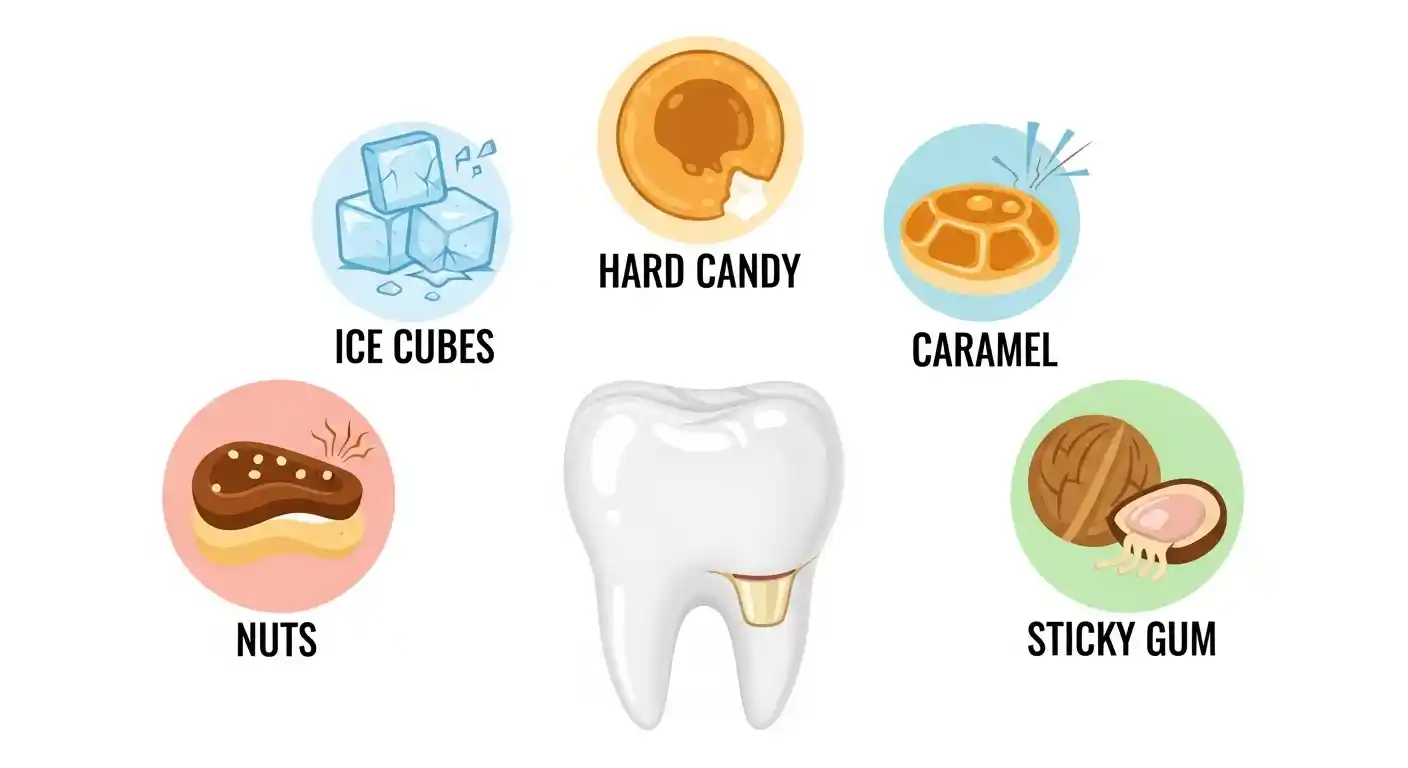
Understanding which foods and habits can harm your dental crown is key to ensuring it lasts as long as possible.
Hard Foods (Ice, Nuts, Hard Candy)
Chewing on ice is one of the fastest ways to crack or chip a dental crown, especially porcelain or porcelain-fused-to-metal restorations. The same goes for hard candies and certain nuts. While zirconia and metal crowns are more resistant to fracture, no crown is indestructible. If you enjoy crunchy vegetables, cutting them into smaller pieces reduces the stress placed on the restoration.
Sticky Foods (Caramel, Gum)
Sticky foods create a pulling force that can loosen the cement seal between the crown and the prepared tooth, particularly in older restorations where the cement has already experienced some wear. Chewing gum is a less obvious culprit but poses the same risk. If your crown feels even slightly loose after eating something sticky, contact your dentist promptly.
Teeth Grinding and Clenching
Bruxism, the habit of grinding or clenching teeth, is one of the most destructive forces a dental crown can face. Grinding generates far more force than normal chewing and can wear down crown material, crack porcelain, and eventually break the cement seal. If you grind your teeth, a custom night guard is essential.
Using Your Teeth as Tools
Opening packages with your teeth, biting off tags, tearing tape, these habits put sudden, unpredictable forces on your crowns. The torquing motion involved in these activities is particularly hard on the margins of porcelain crowns and can cause micro-fractures that aren’t immediately visible but lead to chipping over time.
Nail Biting and Chewing on Objects
Chronic nail biting and chewing on pens or pencils applies repetitive low-level stress to teeth and crowns. Over time, this wears down the crown material and can shift the position of the crown itself. Breaking these habits protects not just your crowns but your natural teeth as well.
Temporary Crown Care vs. Permanent Crown Care
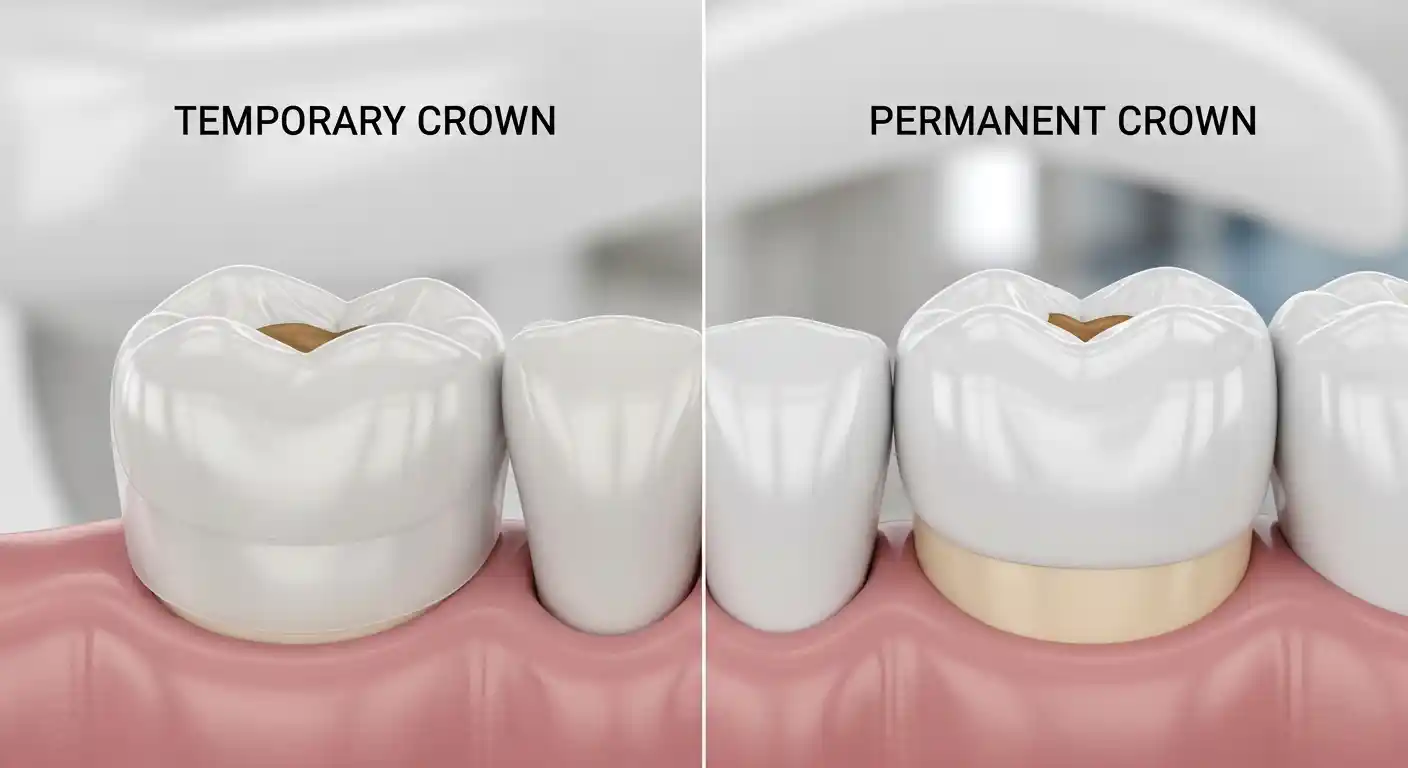
Caring for a crown properly depends on whether it’s temporary or permanent, as each requires different precautions.
How to Care for a Temporary Crown
A temporary crown is usually made from acrylic or composite resin and is cemented with a weak adhesive so it can be easily removed when your permanent crown is ready. Because the cement isn’t meant to hold long-term, temporary crowns require extra caution. Avoid sticky and hard foods entirely while wearing a temporary crown. Floss gently around it, sliding the floss out to the side rather than lifting upward, to prevent dislodging the crown.
What Makes Permanent Crown Care Different
Once your permanent crown is cemented, it is bonded with a much stronger adhesive, allowing you to gradually return to normal eating habits. However, avoiding extremely hard or sticky foods is still recommended, as the crown material itself can crack or chip even if the cement is secure.
What to Do If a Temporary Crown Falls Off
Don’t panic, temporary crowns coming off is common. Call your dental clinic promptly for recementation. Avoid leaving the tooth uncovered for more than a day or two, as the exposed tooth can shift, making it harder to fit the permanent crown later. In the meantime, over-the-counter dental cement or even a small dab of toothpaste can help temporarily reseat the crown.
How Long Do Dental Crowns Last?
The lifespan of a dental crown depends on the material, oral habits, and proper care.
Lifespan by Crown Material
Porcelain Crowns are prized for their natural appearance but are more prone to chipping. With proper care, they usually last 10 to 15 years and are ideal for front teeth where aesthetics matter most.
Zirconia Crowns are extremely durable, combining the strength of metal with a natural look. They can last 15 to 25 years or longer and are increasingly preferred for back teeth where biting forces are higher.
Porcelain-Fused-to-Metal (PFM) Crowns offer a balance of strength and appearance, typically lasting 10 to 15 years. Over time, the metal substructure may show as a dark line at the gumline, which some patients find cosmetically undesirable.
Metal Crowns, usually gold or alloy, are the most durable option, lasting 20 to 30 years or more. They require minimal removal of natural tooth structure and are highly resistant to wear, making them a reliable choice for molars, though they are less aesthetically pleasing.
Factors That Affect Crown Longevity
Beyond the material, a crown’s lifespan is affected by habits like teeth grinding (bruxism), poor oral hygiene, a diet high in hard or sticky foods, and missed dental checkups. Conversely, consistent oral care, protective night guards for grinders, and regular professional cleanings can help your crown last well beyond the average.
Warning Signs Your Dental Crown Needs Attention
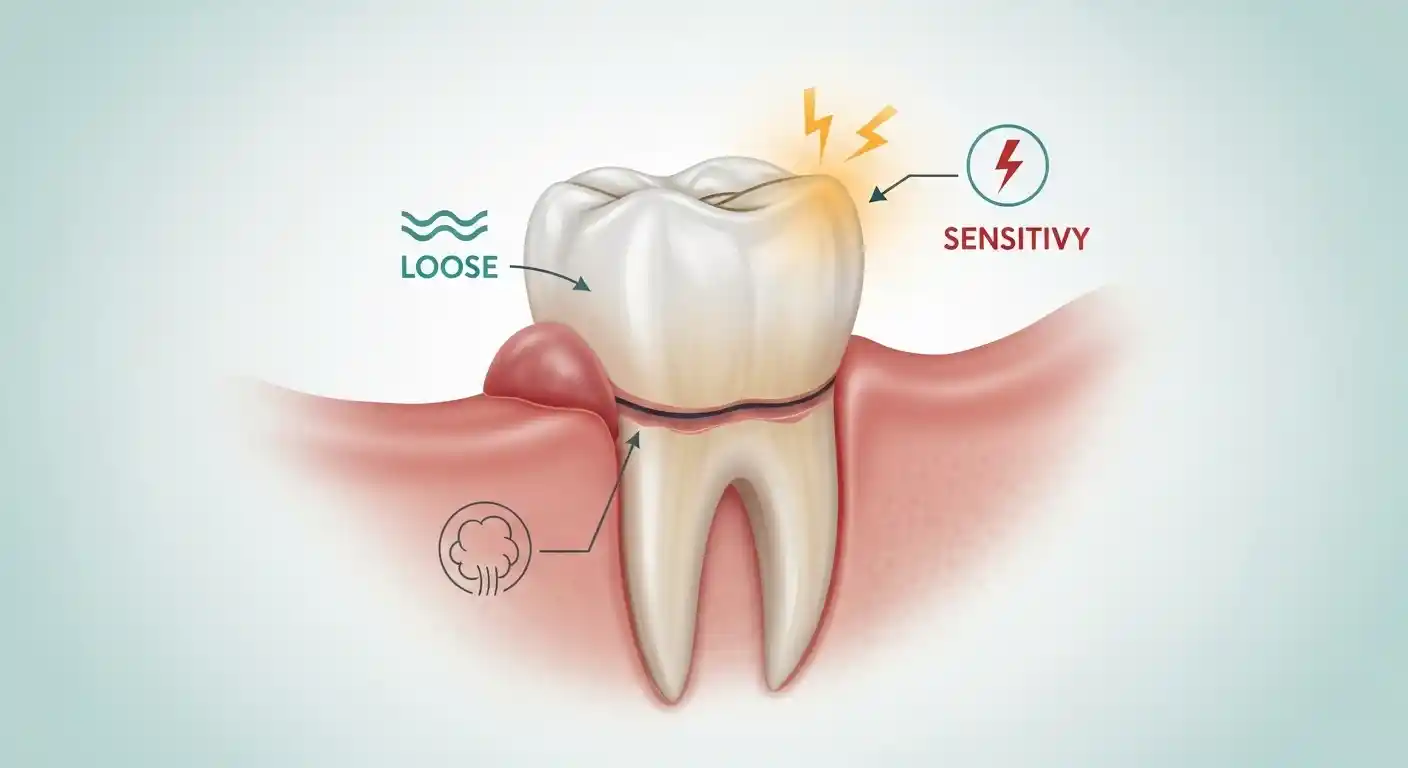
Recognizing early warning signs can help prevent more serious dental problems and extend the life of your crown.
Pain When Biting
Pain when biting down may indicate that the crown is seated too high, the cement seal has broken, or there’s an issue with the underlying tooth, such as a cavity or cracked root. These problems do not improve on their own and require prompt attention.
Crown Feels Loose
If your crown shifts, rocks, or feels unstable, it needs to be re-cemented promptly. A loose crown allows bacteria to enter the space between the crown and tooth, increasing the risk of decay underneath.
Gum Swelling or Bleeding
Swelling or bleeding around a crown can signal gum disease, a poorly fitting crown margin, or partially washed-out cement harboring bacteria. If these symptoms persist despite good oral hygiene, see your dentist.
Dark Line at the Gum Margin
A dark or gray line at the base of the crown usually indicates the metal substructure of a PFM crown becoming visible as the gum recedes. While not dangerous, it may indicate gum recession and is worth having professionally evaluated.
Persistent Sensitivity
Sensitivity lasting more than a few weeks after crown placement, or sensitivity that suddenly appears in an older crown, should be checked. It may indicate a developing cavity beneath the crown or inflammation in the tooth’s pulp.
Special Situations That Require Extra Care
Certain dental conditions or habits require extra attention to ensure your crowns last as long as possible.
If You Grind Your Teeth (Bruxism)
A custom-fitted night guard is essential if you grind your teeth. Without one, the constant grinding can wear down crown material and stress the cement seal much faster than normal use. Talk to your dentist about a hard acrylic night guard, as soft store-bought versions are not sufficient for severe grinders.
If You Have Gum Recession
Gum recession exposes the root surface and the margin where the crown meets the tooth, making both areas more vulnerable to decay and sensitivity. If you have gum recession, be thorough about cleaning the gumline around your crown, and ask your dentist whether a fluoride varnish or prescription-strength fluoride toothpaste would help protect the exposed areas.
If the Crown Covers a Root Canal
A tooth that has had a root canal no longer has a live pulp, so it cannot signal pain like a healthy tooth. This means decay can develop beneath the crown without noticeable symptoms until it is advanced. Regular X-rays at dental checkups are the best way to catch problems early, making these appointments especially important for root-canal-treated teeth.
Why Most Dental Crowns Fail
Even the best dental crowns can fail prematurely if proper care isn’t maintained. Understanding the main causes can help you protect your investment.
Poor Oral Hygiene
The most common reason crowns fail is recurrent decay: a new cavity forming at the margin of the crown due to inadequate brushing and flossing. The crown itself doesn’t decay, but the natural tooth underneath does. Once decay develops beneath a crown, the tooth often requires retreatment and a new crown.
Skipping Dental Checkups
Professional cleanings remove calculus buildup that home care can’t address, and X-rays detect issues beneath and around crowns that aren’t visible. Skipping appointments allows small problems early decay, a loose margin, or beginning gum disease to grow into more serious and costly issues.
Cement Wear Over Time
Even high-quality dental cements break down gradually. Microscopic gaps can form at the crown margin over the years, allowing bacteria to seep in. Regular checkups help your dentist detect early signs of cement wear before it leads to dislodgement or decay.
Untreated Teeth Grinding
Dental crowns are among the most reliable restorations in dentistry, but their longevity depends on a partnership between your dentist and your daily care. Consistent brushing and flossing, avoiding harmful foods and habits, wearing a night guard if needed, and keeping up with regular dental checkups give your crown the best chance of lasting for decades.
Protect Your Dental Crown and Keep Your Smile Healthy
Schedule your dental crown checkup or consultation today with U Smile Dental in Mesa, AZ and ensure your crown lasts for years to come! Book Your Appointment our experienced team provides personalized care, gentle treatments, and expert guidance to protect your smile. Don’t wait for problems to arise, early attention keeps your teeth healthy and your crown secure.
Conclusion
Dental crowns are a durable and effective way to restore damaged teeth, but their longevity relies on proper care. Maintaining consistent oral hygiene, avoiding harmful foods and habits, using a night guard if needed, and attending regular dental checkups are essential steps. By understanding the unique needs of your crown and addressing issues early, you can enjoy a healthy, functional, and natural-looking smile for many years.
Frequently Asked Questions
How often should I visit my dentist after getting a crown?
It’s recommended to see your dentist at least every six months for regular checkups and professional cleanings. These visits help detect early issues like cement wear, gum recession, or decay beneath the crown.
Can a dental crown be whitened?
No, dental crowns cannot be whitened with traditional bleaching methods. If your crown becomes discolored over time, your dentist may recommend replacement to match the shade of your natural teeth.
What should I do if my crown feels loose or comes off?
If your crown feels loose or falls out, contact your dentist immediately. Temporary measures like over-the-counter dental cement can be used, but professional recementation is necessary to prevent damage to the underlying tooth.
Are there foods I should avoid with a crown?
Yes, avoid very hard foods like ice, nuts, and hard candy, as well as sticky foods like caramel and gum. These can chip or loosen your crown, especially in the first few days after placement.
How long do crowns typically last?
Depending on the material, oral hygiene, and habits, crowns can last anywhere from 10 to 30 years. Porcelain crowns last 10–15 years, zirconia crowns 15–25 years, and metal crowns up to 30 years or longer with proper care.