
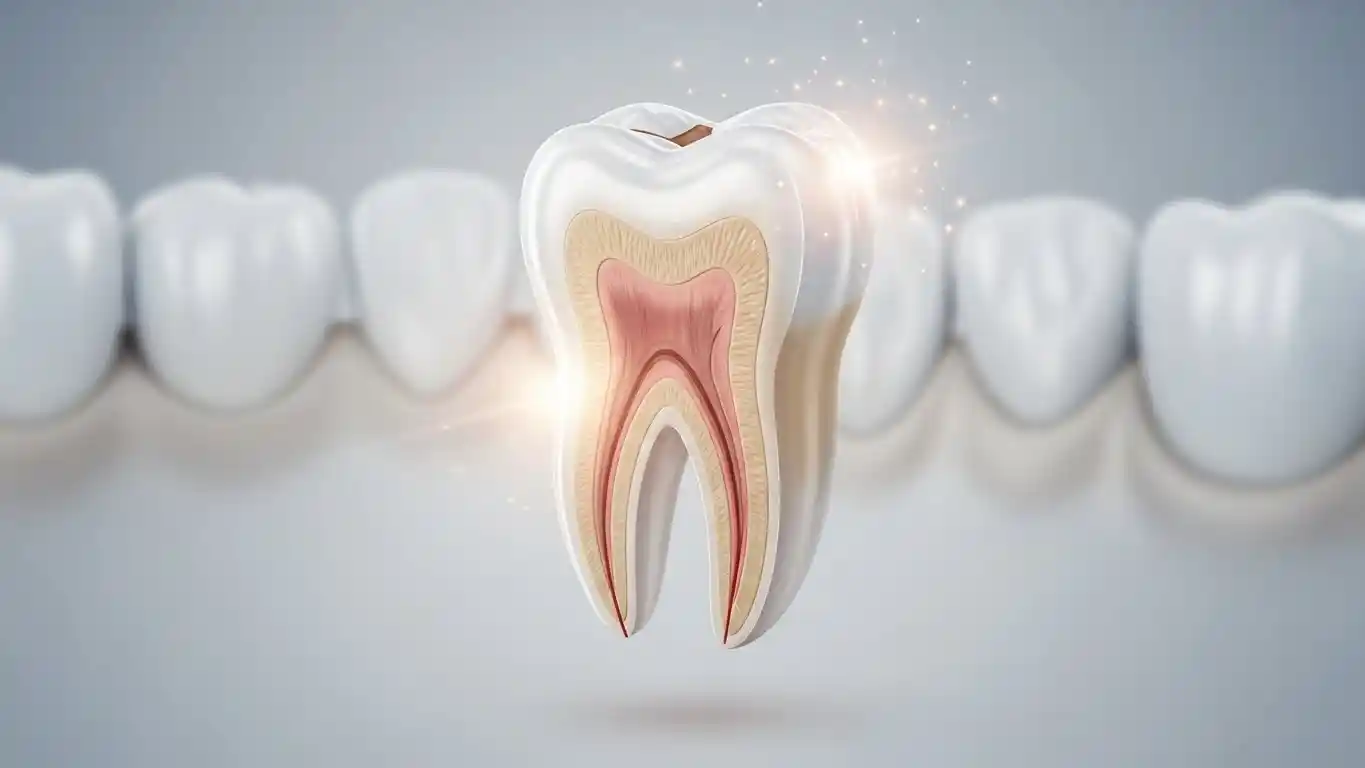
 If your dentist has mentioned you need a root filling, you’re probably wondering about the pain factor. It’s completely natural to feel anxious, but here’s the truth: modern root fillings are far less painful than their scary reputation suggests. Let’s walk through everything you need to know about pain and root fillings, so you can feel more confident about your upcoming procedure.
Understanding Root Fillings and Their Purpose
Root canal treatment is one of the most misunderstood dental procedures, often causing unnecessary anxiety. Let’s clear up what it really involves and why it might be the best option to save your tooth.
What Is a Root Filling?
A root filling, also called root canal treatment, is a procedure that saves an infected or damaged tooth. Inside each tooth is soft tissue called pulp, which contains nerves and blood vessels. When this pulp becomes infected due to deep decay, cracks, or injury, it causes serious pain and can lead to abscesses.
During a root filling, your dentist removes this infected pulp, cleans out the inside of your tooth, and seals it to prevent future infection. Think of it as removing the problem while keeping your natural tooth intact.
How Root Fillings Protect Your Tooth
This procedure does more than just stop the pain. It eliminates infection, prevents it from spreading to other areas, and allows you to keep your natural tooth. Keeping your own tooth is always preferable to extraction because it maintains your bite, prevents other teeth from shifting, and saves you from needing more expensive replacements like implants or bridges.
With proper care, a tooth that’s had a root filling can last a lifetime and function just like your other teeth.
Pain During a Root Filling: Separating Myth from Reality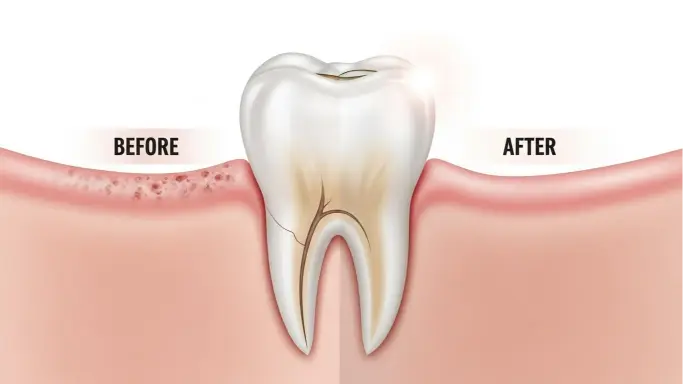
One of the biggest concerns patients have is about pain, but modern dentistry has transformed root canal treatment into a surprisingly comfortable experience. Here’s what you can actually expect during and after the procedure.
Pain Experienced During the Procedure
Here’s the reassuring part: most people feel little to no pain during the actual procedure. Your dentist will thoroughly numb the area with local anesthetic before starting. You might feel some pressure or pushing sensations, but these shouldn’t hurt.
Many patients are surprised to find that the procedure is much easier than they expected. In fact, the tooth pain you experienced before treatment is usually far worse than anything you’ll feel during the root filling itself. If you do feel pain at any point, just let your dentist know immediately, and they’ll give you more anesthetic.
Discomfort After the Procedure
It’s normal to experience slight soreness after your root filling. You may notice sensitivity when chewing, a mild pulsating feeling, or general soreness around the treated tooth. This is your body’s natural way of reacting to the procedure and usually feels similar to the sensation after a standard filling.
This mild discomfort can be controlled with common pain relievers and generally goes away within a few days as your tooth heals.
Factors That Affect Pain Levels
While root fillings are generally well-tolerated, several factors can influence your individual experience. Understanding these variables helps set realistic expectations for your specific situation.
Infection or Inflammation in the Tooth
If you have a severe infection or abscess, your experience might vary slightly. Inflamed tissue doesn’t respond to anesthetic as well, so your dentist might need to treat the infection with antibiotics first. In some cases, the procedure is done in stages to allow inflammation to settle between appointments, making each visit more comfortable.
Complexity of the Tooth Structure
Not all teeth are created equal. Your front teeth have simple, single roots, while your back molars have multiple roots with curved canals. More complex teeth may take longer to treat and could result in slightly more post-procedure sensitivity. If your tooth has unusual anatomy or previous dental work, this can also affect the procedure.
Individual Pain Tolerance
Everyone experiences pain differently. Your personal pain threshold, anxiety levels, and past dental experiences all play a role in how you perceive the procedure. Being honest with your dentist about your sensitivity helps them tailor their approach to keep you comfortable.
Preparing for a Root Filling Procedure
Proper preparation can make a significant difference in your comfort level and overall experience. Taking a few simple steps before your appointment helps ensure everything goes smoothly.
What to Do Before Your Appointment
Keep brushing and flossing normally before your appointment. If you’ve been prescribed antibiotics, take them exactly as directed. Eat a light meal advance since you won’t be able to eat comfortably for a few hours while the numbness wears off.
Avoid alcohol the night before and day of your procedure, as it can interfere with anesthetics.
Tips for Reducing Anxiety and Discomfort
Feeling nervous is completely normal. Try deep breathing exercises or listen to calming music before your appointment. Many dental clinics let you wear headphones during the procedure to help you relax and tune out dental sounds.
If you’re really anxious, talk to your dentist about sedation options. These range from nitrous oxide to oral sedatives. Getting a good night’s sleep and arriving on time also helps reduce stress.
What to Expect During the Procedure
Knowing exactly what happens during a root filling can ease your worries and help you feel more in control. The process is systematic, well-established, and designed with your comfort as a priority.
Step-by-Step Overview of a Root Filling
Your dentist starts by taking X-rays to see the tooth’s condition. Then they’ll numb the area completely with local anesthetic. A rubber dam is placed around your tooth to keep it dry and isolated.
Next, they create a small opening in your tooth and use special instruments to remove the infected pulp. The inside is thoroughly cleaned and disinfected, then filled with a material called gutta-percha. Finally, the opening is sealed with a temporary or permanent filling.
How Dentists Manage Pain and Discomfort
Modern dentistry has excellent pain management tools. Your dentist uses powerful local anesthetics that completely block nerve signals. They’ll make sure you’re fully numb before starting and can add more anesthetic if needed.
Many dentists now use advanced rotary instruments that work faster and more gently than older tools, making the procedure quicker and more comfortable.
Aftercare and Recovery
The success of your root filling doesn’t end when you leave the dental chair—proper aftercare is essential for healing and long-term results. Following these guidelines will help minimize discomfort and ensure your tooth recovers smoothly.
Managing Post-Procedure Pain
Over-the-counter pain relievers like ibuprofen work well for most people. Your dentist might suggest alternating ibuprofen with acetaminophen for better relief. Taking your first dose before the numbness wears off helps you stay ahead of any discomfort.
Apply a cold compress to your cheek for 15 minutes at a time to reduce swelling. Stick to soft foods for a few days, chew on the opposite side, and avoid extremely hot or cold foods that might trigger sensitivity.
Signs of Complications to Watch For
While some discomfort is normal, watch out for warning signs. Contact your dentist if you experience severe pain that gets worse instead of better, visible swelling, fever, prolonged sensitivity lasting more than a week, or if your temporary filling falls out.
It’s always better to check in with your dentist if something doesn’t feel right rather than wait and let a potential problem worsen.
Preventing Future Problems After a Root Filling
A successful root filling can last for many years or even a lifetime, but this longevity depends largely on how well you care for your tooth afterward. These preventive measures will help protect your investment and keep your restored tooth healthy.
Maintaining Oral Hygiene
Keep brushing twice daily and flossing once daily, including around your treated tooth. While the tooth no longer has living tissue inside, the surrounding gum and bone still need protection from bacteria. Be gentle initially, but don’t avoid cleaning the area.
Regular Dental Checkups
Visit your dentist every six months for checkups. These appointments let your dentist monitor your treated tooth and catch any issues early. Regular X-rays can reveal problems before they cause pain, and your dentist will ensure your crown or filling stays properly sealed.
Conclusion
Root fillings have come a long way from their painful reputation. Modern techniques and anesthetics make the procedure quite comfortable for most people. Any discomfort you feel afterward is typically mild and manageable, especially compared to the severe pain from an infected tooth.
Remember, the root filling relieves pain rather than causes it. By choosing an experienced dentist, communicating your concerns, following aftercare instructions, and maintaining good oral hygiene, you can expect a successful outcome with minimal discomfort.
Don’t let fear prevent you from getting necessary treatment. The longer you wait, the worse the infection becomes, potentially requiring more complex procedures. Trust that modern dentistry can keep you comfortable while saving your natural tooth.
Book An Appointment for a Pain-Free Smile
Don’t wait until the pain becomes unbearable—schedule your root filling consultation today. Our experienced dental team uses modern techniques and gentle care to make your procedure as comfortable as possible. Acting early not only relieves your discomfort but also protects your natural tooth and long-term oral health. Take the first step toward a pain-free smile and book your appointment now!
Frequently Asked Questions
Does a root filling hurt during the procedure?
Most patients feel little to no pain during a root filling because of modern anesthetics. You may feel some pressure, but the treatment is designed to relieve, not cause, pain.
How long does discomfort last after a root filling?
Mild sensitivity or tenderness is common for a few days after the procedure. Over-the-counter pain relievers usually manage this discomfort effectively.
Can a root filling fail and cause pain later?
Yes, if infection persists or the filling becomes compromised. Regular dental checkups and proper oral hygiene help prevent complications.
Is a root filling more painful than a regular filling?
Not necessarily. The main pain people feel is from the infection itself, not the procedure. With proper anesthesia, a root filling is typically no more uncomfortable than a standard filling.
How can I reduce pain and anxiety before my root filling?
Relaxation techniques, discussing sedation options with your dentist, and following pre-appointment instructions can help minimize discomfort and nervousness.