
Yes, teeth whitening can have side effects, but they are usually mild and temporary. The most common side effects include tooth sensitivity and gum irritation, especially during or shortly after treatment. These effects typically improve within a few days once the whitening process is complete.
Teeth whitening is generally considered safe when performed by a dental professional or when used as directed. If you’re considering treatment in Mesa, AZ, choosing a qualified local dentist helps ensure the procedure is done safely and effectively. However, overuse of whitening products or unsupervised treatments may increase the risk of enamel damage, uneven results, or prolonged sensitivity.
How Does Teeth Whitening Work?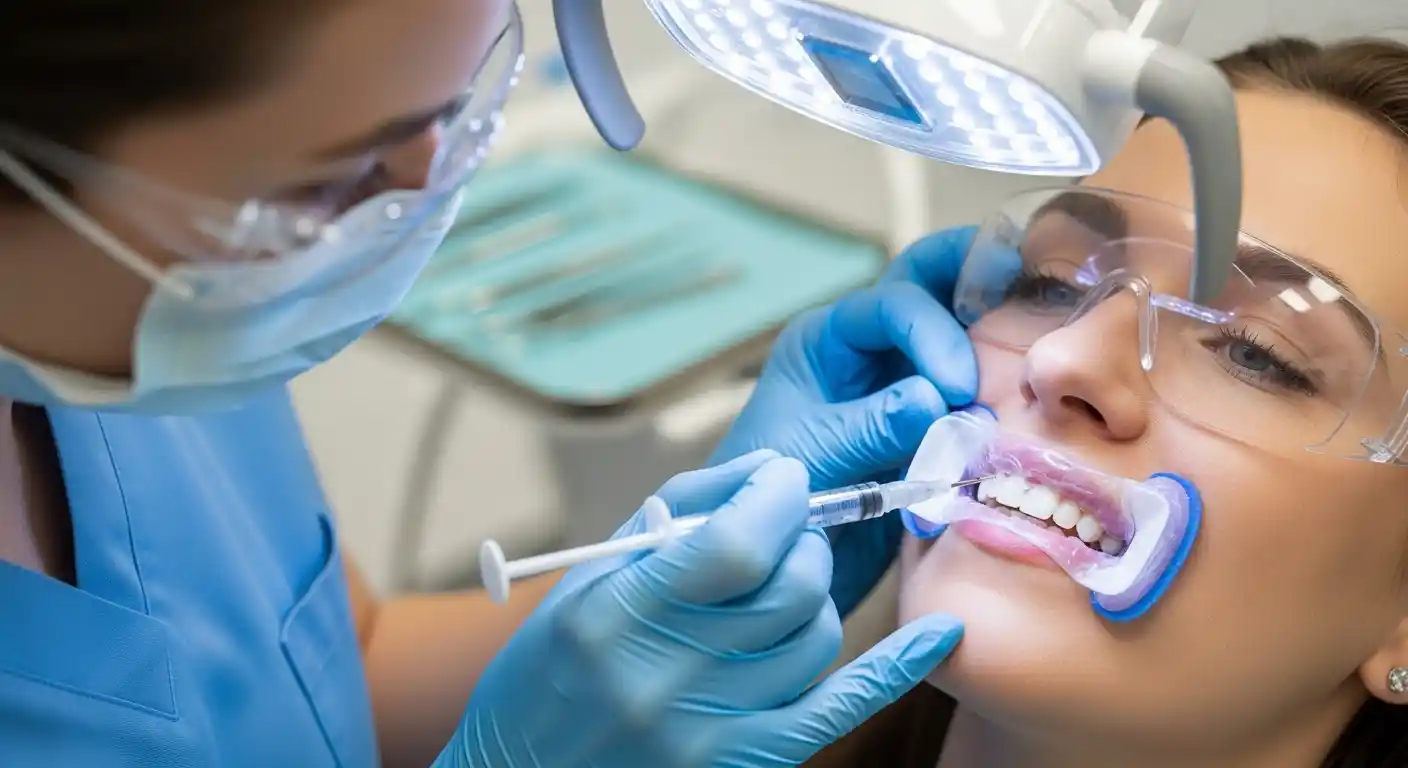
Teeth whitening works by using bleaching agents most commonly hydrogen peroxide or carbamide peroxide to break down stain molecules on and within the tooth structure. These agents penetrate the enamel and trigger an oxidation process that breaks apart the compounds responsible for discoloration, making teeth appear lighter and brighter.
The strength of the whitening agent and the duration of treatment vary depending on the method used. Identifying the type of stain you have is essential for choosing the most effective whitening approach.
Types of Teeth Stains
There are two primary types of tooth stains: extrinsic and intrinsic.
Extrinsic stains develop on the outer surface of the teeth. They are typically caused by coffee, tea, red wine, cola, tobacco use, and poor oral hygiene. These stains affect the enamel and are generally easier to remove with whitening treatments.
Intrinsic stains form deeper within the tooth structure. They may result from aging, certain medications, trauma, or excessive fluoride exposure. Because they occur beneath the enamel, they are more challenging to treat and often require professional dental procedures.
Teeth Whitening Options
There are several teeth whitening options available, ranging from professional in-office treatments to at-home products. The right choice depends on the severity of staining, budget, and desired speed of results.
Whitening Products (Toothpaste, Strips, Gels)
Over-the-counter whitening products include toothpastes, strips, gels, and pens. These contain lower concentrations of bleaching agents and typically produce gradual, modest results. While convenient and affordable, their effectiveness depends on consistent use and the type of staining present.
Home Whitening Kits
Dentist-provided take-home whitening kits offer a balance between convenience and effectiveness. These kits include custom-fitted trays made from impressions of your teeth and a professional-strength whitening gel. Because the trays fit securely, the gel stays in contact with the teeth while minimizing gum irritation, leading to safer and more consistent results.
Whitening at the Dentist’s Office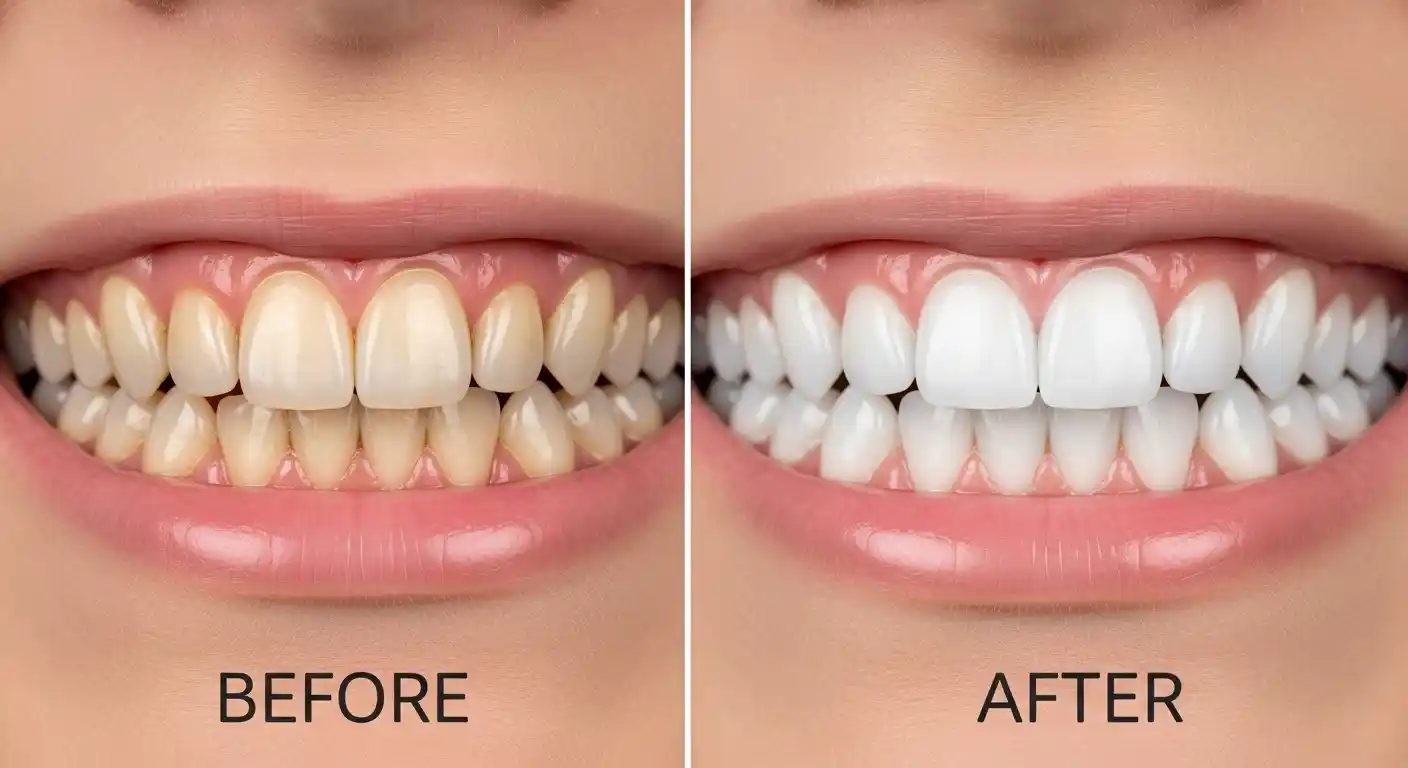
In-office professional whitening delivers the fastest and most dramatic results. A high-concentration bleaching agent is carefully applied to the teeth and may be activated using a specialized light or laser. The gums and surrounding tissues are protected throughout the procedure. Most patients notice visible improvement after just one session, and the entire process is closely monitored to ensure safety and effectiveness.
Is Teeth Whitening Safe?
Yes, teeth whitening is generally safe when performed under professional supervision. Mild side effects like temporary sensitivity or gum irritation are common but usually short-lived. People with dental problems or restorations should consult their dentist before starting treatment.
Safety When Performed by a Professional
Teeth whitening is a safe and well-established cosmetic procedure when done by a qualified dental professional. Your dentist will examine your oral health, determine your suitability, and use the correct bleaching strength. Protective measures are taken to keep your gums and soft tissues safe during treatment.
Risks of DIY and Internet-Bought Kits
Unregulated whitening kits sold online can pose risks. Some may contain unsafe peroxide levels or harmful ingredients. Without professional guidance, improper use can lead to gum irritation, enamel damage, or uneven results.
The Importance of Dental Supervision
Even with take-home kits, dental supervision is important. A prior examination helps identify issues like cavities or gum disease that could worsen with whitening. Professional guidance ensures safer treatment and more predictable results.
What Are the Common Side Effects of Teeth Whitening?
Most side effects of teeth whitening are mild and temporary. The most commonly reported issue is tooth sensitivity, which occurs because bleaching agents temporarily increase enamel permeability. This makes the nerves inside the tooth more responsive to hot or cold drinks, sweet foods, or even air exposure. In most cases, the sensitivity subsides within 24 to 72 hours after treatment.
Gum Irritation
Gum irritation can occur if whitening gel comes into contact with the soft tissues around the teeth. Symptoms may include redness, mild swelling, or a slight burning sensation along the gum line. This is more common with poorly fitted trays or incorrectly placed whitening strips. Professional treatments are designed to minimize gum exposure and reduce this risk.
Uneven Tooth Shade
Whitening products only work on natural tooth enamel. Restorations such as fillings, crowns, veneers, or bonding materials do not respond to bleaching agents. As a result, some teeth may appear whiter than others, creating an uneven look. Discussing existing dental work with your dentist before treatment helps prevent this issue.
Dry Mouth
Temporary dry mouth may occur during or after whitening, particularly following in-office procedures that require cheek retractors or trays for extended periods. This usually resolves shortly after the treatment ends. Drinking water and staying hydrated can help relieve discomfort.
Throat Irritation
If whitening gel is accidentally swallowed often due to excess gel or loose-fitting trays it may cause mild throat or stomach irritation. While typically not serious, it highlights the importance of proper application and correct tray fit.
Tooth Pain
Some individuals, especially those using high-concentration bleaching agents or those with pre-existing dental conditions, may experience a dull ache or occasional sharp pain. This discomfort is usually temporary. However, if significant pain occurs, treatment should be stopped and a dentist consulted.
Enamel Erosion (Rare With Overuse)
Enamel erosion from whitening is uncommon but can occur with excessive or improper use of bleaching products. Frequent application of high-strength agents without professional supervision may gradually weaken enamel. Following recommended treatment guidelines helps prevent long-term damage.
Ineffective Results
Not all stains respond equally to whitening. Intrinsic discoloration, heavy restorations, or stains caused by certain medications such as tetracycline may show limited improvement. A dental consultation can determine whether whitening is likely to be effective for your specific situation.
Many People Experience No Side Effects
It is important to note that many patients experience no noticeable side effects at all. When whitening is performed correctly using appropriate products and professional guidance, the procedure is generally well tolerated. Most individuals achieve a brighter smile without complications.
How Long Do Side Effects Last?
The good news is that side effects from teeth whitening are usually temporary. Tooth sensitivity typically resolves within 24 to 72 hours after treatment, while gum irritation often improves within a few days once the whitening gel is no longer in contact with the tissue. Mild throat irritation, caused by accidentally swallowing a small amount of gel, generally disappears quickly without treatment.
However, if symptoms last longer than a week, become more severe, or involve significant pain, you should contact your dentist promptly. Persistent sensitivity or noticeable gum changes may signal an underlying issue that requires professional evaluation.
Are There Any Serious Risks to Consider?
Serious risks from teeth whitening are rare but can occur if treatments are misused or done without professional supervision. Over-bleaching or using products with excessively strong bleaching agents can weaken enamel, cause long-lasting sensitivity, or lead to chemical burns on gums and soft tissues.
Repeated overuse may also increase chronic sensitivity to hot, cold, or sweet foods. These risks are largely preventable when whitening is done under professional guidance and according to recommended safety instructions.
Who Should Avoid Teeth Whitening?
Teeth whitening is not suitable for everyone. Children under 16, pregnant or breastfeeding women, people with active gum disease or untreated cavities, and those with extensive dental restorations should avoid or seek professional advice before treatment. Anyone with allergies or sensitivity to peroxide-based products should also consult a dentist to ensure safe whitening.
Who Should Get Their Teeth Whitened?
Teeth whitening delivers the best results for adults with healthy teeth and gums who have no untreated cavities or active dental issues. Ideal candidates are those whose discoloration is primarily caused by extrinsic (surface) stains from coffee, tea, red wine, or other lifestyle factors, as these stains typically respond well to whitening treatments.
Non-smokers or individuals who have quit smoking often achieve better and longer-lasting results, since tobacco stains are more stubborn and can quickly reappear. People who maintain good oral hygiene and limit stain-causing foods and drinks after treatment are also more likely to preserve their brighter smile over time.
How Can I Minimize Risks and Side Effects?
You can minimize the risks and side effects of teeth whitening by taking some simple precautions. Choosing professional treatment, whether in-chair whitening or a dentist-supervised take-home kit, ensures safer and more predictable results than over-the-counter products. It’s important to follow instructions carefully, avoid leaving gel on too long, and not exceed the recommended treatment frequency.
Overuse can increase sensitivity or damage enamel, so using a toothpaste for sensitive teeth before, during, and after whitening can help manage discomfort. Additionally, a dental check-up before treatment ensures your teeth and gums are healthy and ready for safe whitening.
What Should I Do If I Experience Severe Side Effects?
If you experience severe or unusual side effects during or after teeth whitening, act promptly to protect your oral health. Stop the treatment immediately and remove any trays, strips, or excess gel from your mouth. Rinse thoroughly with cool water to clear away any remaining bleaching agent and help reduce irritation.
Contact your dentist as soon as possible to describe your symptoms and receive professional advice. In the meantime, avoid very hot, cold, spicy, or acidic foods and drinks, as they can worsen sensitivity. Do not resume whitening until your dentist has assessed the situation and confirmed it is safe to continue.
Ready for a Brighter, Whiter Smile In Mesa?
If you’re considering professional teeth whitening in Mesa, don’t leave your smile to chance. At U Smile Dental, we provide safe, dentist-supervised whitening treatments designed to deliver noticeable results while protecting your enamel and gums. Schedule your consultation today and let our experienced team help you achieve a brighter, more confident smile. Call now or book your appointment online to get started!
Conclusion
Teeth whitening is a safe and effective way to brighten your smile when done correctly. Most side effects, such as tooth sensitivity or mild gum irritation, are temporary and manageable. Professional supervision whether in-office whitening or dentist-supervised take-home kits reduces risks, ensures more predictable results, and protects your overall oral health. By following recommended guidelines, maintaining good oral hygiene, and consulting your dentist, you can achieve a brighter smile safely and confidently.
Frequently Asked Questions
Does teeth whitening damage enamel?
When performed under professional guidance, teeth whitening does not damage enamel. Overuse or unsupervised treatments can increase the risk of temporary sensitivity or weakening of enamel.
How long does tooth sensitivity last after whitening?
Sensitivity usually lasts 24–72 hours and typically subsides on its own. Using toothpaste for sensitive teeth can help manage discomfort.
Are over-the-counter whitening products safe?
Over-the-counter products are generally safe when used as directed, but they are less effective than professional treatments and may increase the risk of irritation or uneven results.
Who should avoid teeth whitening?
Children under 16, pregnant or breastfeeding women, people with active gum disease or untreated cavities, and those with allergies to peroxide-based products should avoid whitening or consult a dentist first.
How can I minimize side effects from teeth whitening?
Choose professional treatments, follow all instructions carefully, avoid overuse, use desensitizing toothpaste, and have a dental check-up before starting whitening to reduce the risk of side effects.