
Sedation dentistry is a safe and effective way to help patients relax during dental procedures while reducing pain and anxiety. It allows even nervous or sensitive patients to receive dental care calmly and comfortably under professional monitoring.
Many people in Mesa, AZ avoid the dentist due to fear or past experiences, but sedation dentistry makes treatment easier and less stressful. In this article, we’ll explain what sedation dentistry is, the types available, how it works, and why it’s safe for most patients in the Mesa area.
What Is Sedation Dentistry?
Sedation dentistry uses medication to help patients relax during dental procedures. Often called “sleep dentistry,” most patients remain awake except when general anesthesia is required. Its main goal is to reduce anxiety, fear, and discomfort, allowing dental work to be completed safely and comfortably.
Modern sedation techniques give dentists precise control over sedation levels, and professionals receive specialized training to monitor patients throughout treatment. This approach is especially helpful for those with dental anxiety, low pain tolerance, traumatic dental experiences, strong gag reflexes, or patients needing extensive or complex procedures.
Types of Sedation Dentistry

Sedation dentistry offers different levels of sedation, from mild relaxation to complete unconsciousness, depending on the patient’s needs and procedure complexity. Modern techniques allow dentists to adjust sedation safely, ensuring comfort throughout treatment.
Nitrous Oxide (Laughing Gas)
Nitrous oxide is a mild sedation that helps patients relax while staying fully conscious. Inhaled through a small mask, it takes effect within minutes and wears off almost immediately once the mask is removed. This makes it ideal for mild to moderate anxiety and children, as patients can usually drive themselves home.
Oral Conscious Sedation
Oral conscious sedation uses a prescribed pill to create a deeply relaxed, drowsy state while patients remain awake. The level of sedation varies by dosage, and some patients may doze off but can be easily awakened. It’s non-invasive and effective for moderate to severe anxiety, though patients must have someone drive them to and from the appointment.
IV Sedation
IV sedation delivers medication directly into the bloodstream for deeper relaxation. Patients stay conscious but often feel as if they’ve slept through the procedure. It’s especially useful for long or complex treatments and patients with extreme dental phobia, though recovery is longer and a companion is required for going home.
General Anesthesia
General anesthesia renders patients completely unconscious and unaware of the procedure. It is reserved for extensive oral surgeries or patients who cannot cooperate due to medical or behavioral conditions. Because of the risks involved, it is administered in a hospital or specialized facility by a trained anesthesiologist or dentist.
How Does Sedation Dentistry Work?
Sedation dentistry in Mesa, AZ, works by using medication to help patients relax while dental procedures are performed safely and comfortably. The process is carefully tailored to each patient, depending on their level of anxiety and the complexity of the treatment.
Consultation and Pre-Screening
The first step is a thorough consultation to determine if sedation is appropriate. Your dentist will review your medical history, medications, allergies, and past experiences with sedation or anesthesia. They will also assess your anxiety level and the type of dental work needed to choose the safest and most effective sedation method.
Preparing for Sedation Dentistry
Preparation depends on the type of sedation used. Minimal prep is needed for nitrous oxide, but oral, IV, or general anesthesia often require fasting, wearing comfortable clothing, avoiding jewelry, and arranging a responsible adult to drive you home. Your dentist will provide specific instructions for taking or skipping medications on the day of your appointment.
During the Procedure
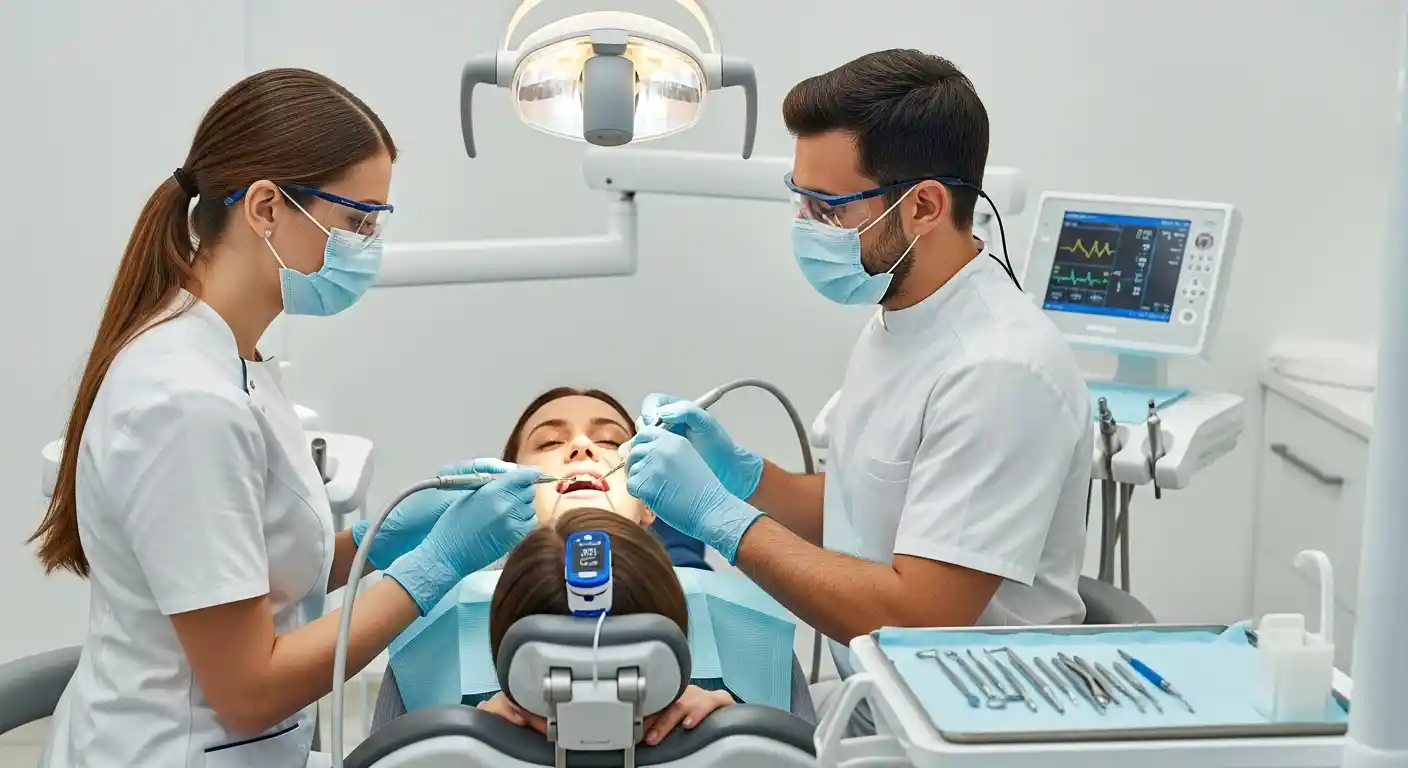
Sedation is administered according to the chosen method, and patients are closely monitored throughout. Vital signs such as heart rate, blood pressure, oxygen levels, and breathing are continuously tracked using modern equipment to ensure safety. This allows dental work to be completed efficiently while patients remain relaxed or comfortably drowsy.
Recovery After Sedation Dentistry
Recovery time varies based on the sedation type. Patients receiving nitrous oxide typically feel normal within minutes, while oral and IV sedation may require several hours of monitoring. During this time, resting at home, avoiding driving or operating machinery, and following aftercare instructions ensures a safe and smooth recovery.
Is Sedation Dentistry Safe?
Yes, sedation dentistry is safe when administered by trained professionals following established protocols. Modern dental practices use strict safety standards, continuous monitoring, and precise dosing to ensure patients remain comfortable and secure throughout treatment.
How Dentists Ensure Patient Safety
Dentists providing sedation undergo specialized training beyond dental school. They conduct thorough medical evaluations, calculate exact medication doses, and have emergency protocols, oxygen systems, and medications ready in case of complications. Safety is built into every step of the process.
Professional Monitoring and Safety Standards
Continuous monitoring is a cornerstone of sedation dentistry safety. Staff track vital signs such as pulse, blood pressure, breathing, and oxygen levels using advanced equipment. Regulatory bodies like the American Dental Association set strict guidelines covering training, equipment, and emergency preparedness.
Who Is a Good Candidate for Sedation Dentistry?
Most patients are safe candidates, especially those with dental anxiety, strong gag reflexes, complex procedures, or past negative experiences. Special considerations are required for pregnant patients or individuals with serious heart, liver, or respiratory conditions. Dentists carefully evaluate each patient to select the safest sedation approach.
Why Choosing an Experienced Dentist Matters
A dentist’s experience and training greatly affect sedation safety. When choosing a provider, verify credentials, ask about specific sedation training, review emergency protocols, and read patient reviews. A qualified dentist will answer your questions clearly and ensure you feel confident and secure.
Benefits of Sedation Dentistry
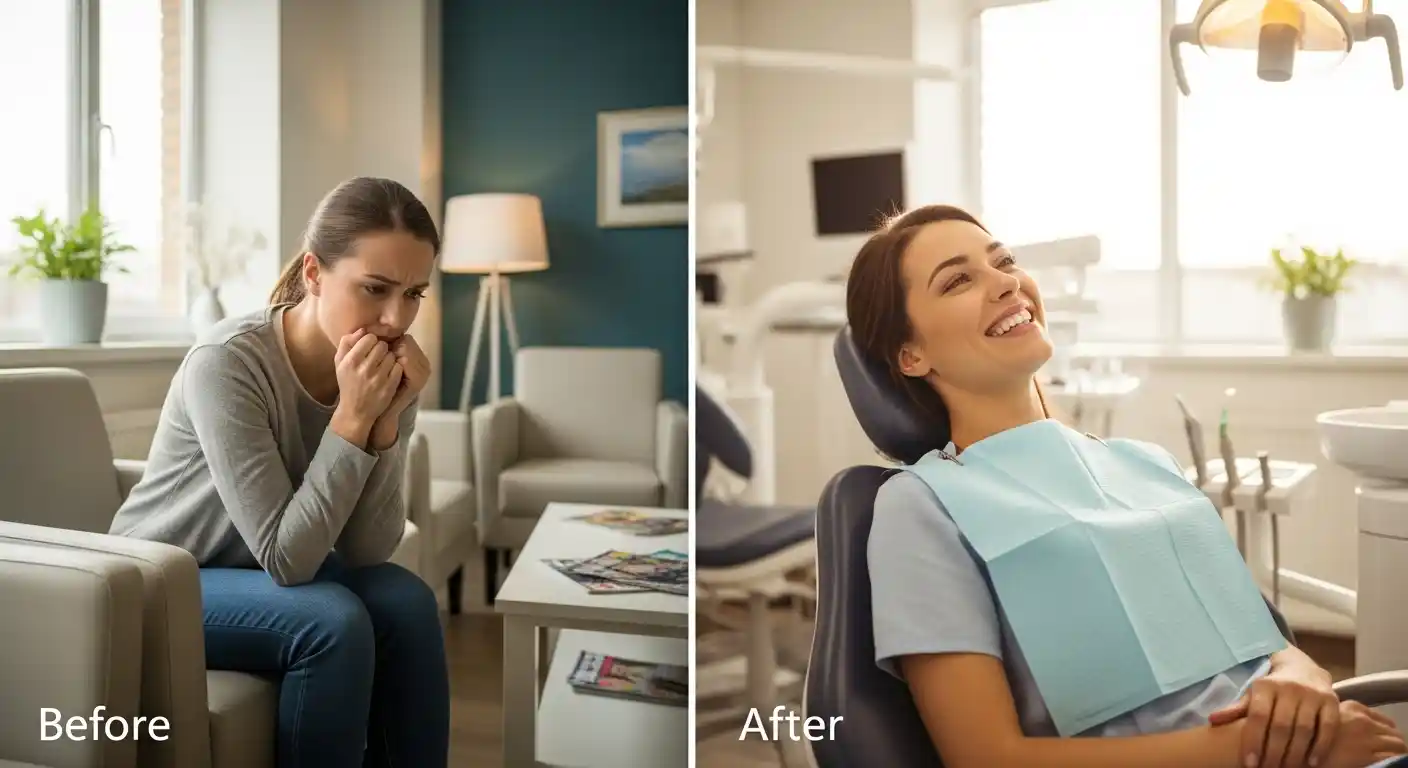
Beyond simply making dental visits tolerable, sedation dentistry offers numerous advantages that can transform your oral health care experience.
Reduces Dental Anxiety and Fear
The most obvious benefit is its ability to eliminate or significantly reduce the anxiety and fear that keep many people from seeking dental care. For those with dental phobia, sedation can mean the difference between neglecting oral health and maintaining a healthy smile.
Many patients report feeling so relaxed during sedated procedures that they’re genuinely surprised when the dentist announces the work is complete. This transformation can fundamentally change how individuals approach dental care, encouraging regular checkups rather than avoiding the dentist.
Minimizes Pain and Discomfort
While local anesthetics numb physical pain, sedation addresses the psychological discomfort that can make dental procedures feel worse than they are. Sedated patients often report feeling detached from the procedure. This psychological distance, combined with physical numbness, creates a virtually pain-free experience.
Allows Multiple or Longer Procedures
One practical advantage is the ability to complete extensive dental work in fewer appointments. Procedures that might normally require three or four separate visits can often be consolidated into one or two sedated sessions. This efficiency is particularly valuable for patients who have difficulty taking time off work.
Improves the Overall Dental Experience
Sedation creates a more positive dental experience for both patients and dental professionals. Relaxed patients move less, have better-controlled gag reflexes, and allow dentists to work more precisely and efficiently. For many patients, having little to no memory of the procedure is itself a significant benefit.
Risks and Side Effects of Sedation Dentistry
Sedation dentistry is generally safe, but like any medical procedure, it carries some risks and potential side effects. Serious complications are rare when proper protocols and professional monitoring are followed.
Common Side Effects
Most side effects are mild and temporary. Drowsiness is the most common, especially after oral or IV sedation, and usually wears off within hours. Other minor effects may include mild nausea, headaches, dry mouth, dizziness, or brief memory gaps, all of which typically resolve quickly.
Rare Risks and Complications
Serious complications are extremely uncommon. These can include allergic reactions, respiratory issues, cardiovascular changes, or over sedation requiring medical attention. Careful screening, proper medication selection, and continuous monitoring help minimize these risks.
Who Should Avoid Sedation Dentistry?
Some individuals should avoid sedation or use it only with caution. This includes pregnant women (unless emergency treatment is needed), people with severe respiratory conditions like COPD or sleep apnea, and patients with certain heart problems. Providing complete and honest health information ensures your dentist can choose the safest approach.
Recovery and Aftercare
Recovery after sedation dentistry depends on the type of sedation used. Nitrous oxide wears off within minutes, oral sedation effects can last 4–6 hours, IV sedation may last 6–8 hours, and general anesthesia can require 24 hours or more for full mental clarity.
Can You Drive Home After Sedation Dentistry?
Nitrous oxide patients can usually drive themselves home. After oral sedation, IV sedation, or general anesthesia, patients must have a responsible adult drive them and stay with them for several hours.
When Should You Contact Your Dentist?
Contact your dentist if you experience severe symptoms or complications. This includes difficulty breathing, chest pain, persistent nausea, confusion, heavy bleeding, allergic reactions, high fever, or severe pain not controlled by medications.
Sedation dentistry has transformed dental care for anxious patients. With trained professionals, proper monitoring, and the right sedation type, patients can receive the dental care they need safely and comfortably.
Experience Stress-Free Dental Care in Mesa, AZ
At U smile Dentistry in Mesa, AZ, our trained professionals specialize in sedation dentistry to help you relax while receiving safe and comfortable care. Whether you have dental anxiety, a low pain tolerance, or need extensive treatment, we tailor sedation to your needs. Book your consultation today and take the first step toward a healthier, more confident smile.
Conclusion
Sedation dentistry offers a safe and effective way to make dental care more comfortable for patients who experience anxiety or fear. With proper screening, professional monitoring, and the right sedation option, most people can undergo treatment with minimal stress and discomfort. If dental visits have been holding you back, sedation dentistry may help you receive the care you need with confidence and peace of mind. A consultation with your dentist can help determine which sedation method is best for your needs. Taking this step can make maintaining your oral health easier and far less intimidating.
Frequently Asked Questions
Is sedation dentistry safe for everyone?
Sedation dentistry is safe for most patients when performed by a trained and experienced dentist. Before treatment, your dentist reviews your medical history, medications, and overall health. Certain conditions, such as sleep apnea or respiratory issues, may require extra precautions or alternative options.
Will I feel pain during the procedure?
Most patients feel little to no pain during sedation dentistry. Sedation helps you feel relaxed and calm, while local anesthesia is still used to numb the treatment area. This combination makes dental visits far more comfortable than expected.
Can children or pregnant patients have sedation dentistry?
Sedation dentistry may be used for children in specific cases after a careful dental evaluation. For pregnant patients, sedation is generally avoided unless absolutely necessary. Dentists always choose the safest approach based on individual health and circumstances.
Do dentists use general anesthesia in dental offices?
General anesthesia is rarely used in standard dental offices. It is typically reserved for complex procedures or special needs patients in hospital-based settings. Most dental treatments rely on safer options like nitrous oxide, oral sedation, or IV sedation.
How do I find a trusted sedation dentist near me?
Finding a trusted sedation dentist starts with checking experience, training, and certifications. Reading patient reviews and verifying credentials can help build confidence. A reliable dentist will clearly explain sedation options and address all safety concerns.