
Yes, dental bonding can fix chipped or cracked teeth in many cases, especially when the damage is minor to moderate and does not affect the tooth’s structure. It restores the tooth’s shape, appearance, and function using a tooth-colored resin that blends seamlessly with your smile.
A chipped or cracked tooth can happen to anyone—from biting something hard to a sports injury or years of normal wear. For patients in Mesa, AZ, dental bonding is one of the most accessible and affordable cosmetic dental treatments available, making it a popular option for repairing damaged teeth quickly and effectively. If you’re wondering whether dental bonding is right for you, this guide explains how it works, who it’s best for, and what results you can expect.
What Is Dental Bonding?
Dental bonding is a cosmetic dentistry procedure that uses a tooth-colored composite resin material to repair, reshape, or improve the appearance of damaged or imperfect teeth. This versatile treatment can address various dental concerns, including chips, cracks, gaps, discoloration, and even minor misalignments.
The composite resin used in dental bonding is carefully matched to the natural color of your teeth, making the repair virtually invisible. Unlike more invasive procedures such as veneers or crowns, dental bonding typically requires minimal preparation of the natural tooth structure, making it a conservative and reversible option for many patients, including those in Mesa, AZ.
What happens during dental bonding?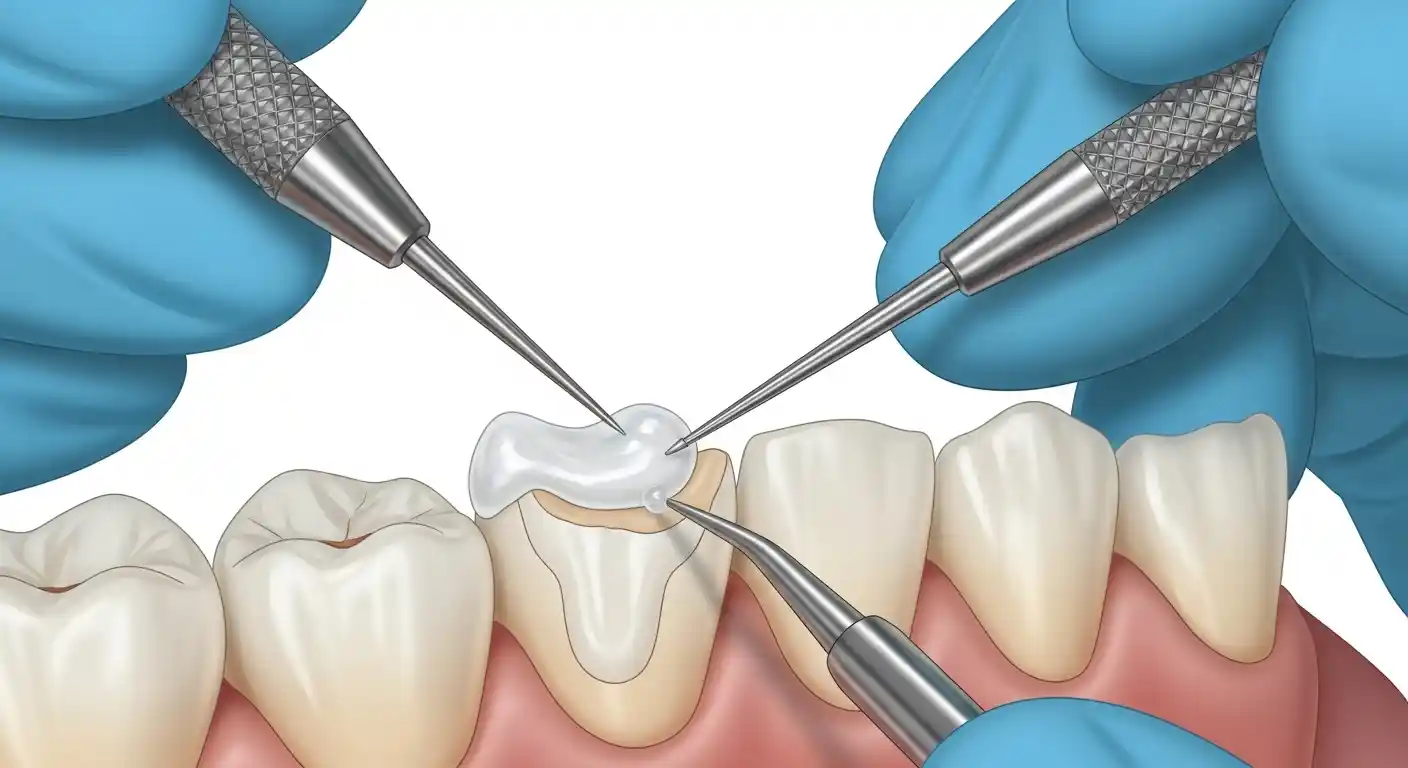
During a dental bonding appointment, your dentist applies a tooth-colored material directly to the damaged tooth. The material starts out soft and easy to shape, allowing the dentist to carefully mold it so it looks natural and matches the rest of your tooth. Once the material is placed correctly, a special light is used to harden it, helping it stick firmly to your natural tooth.
The entire process is usually painless and can often be completed in a single visit. Each tooth typically takes between 30 minutes to one hour to finish, depending on how much damage the tooth has and how detailed the repair needs to be.
How does dental bonding work?
Dental bonding works through a chemical and mechanical bonding process. Your dentist will first roughen the surface of your tooth and apply a conditioning liquid. This preparation helps the composite resin adhere more effectively to your natural tooth enamel. Once the resin is applied and shaped, the curing light triggers a chemical reaction that hardens the material and creates a strong bond with your tooth.
This bonding process creates a durable restoration that can withstand normal biting and chewing forces while blending seamlessly with your surrounding teeth.
Step-by-Step Procedure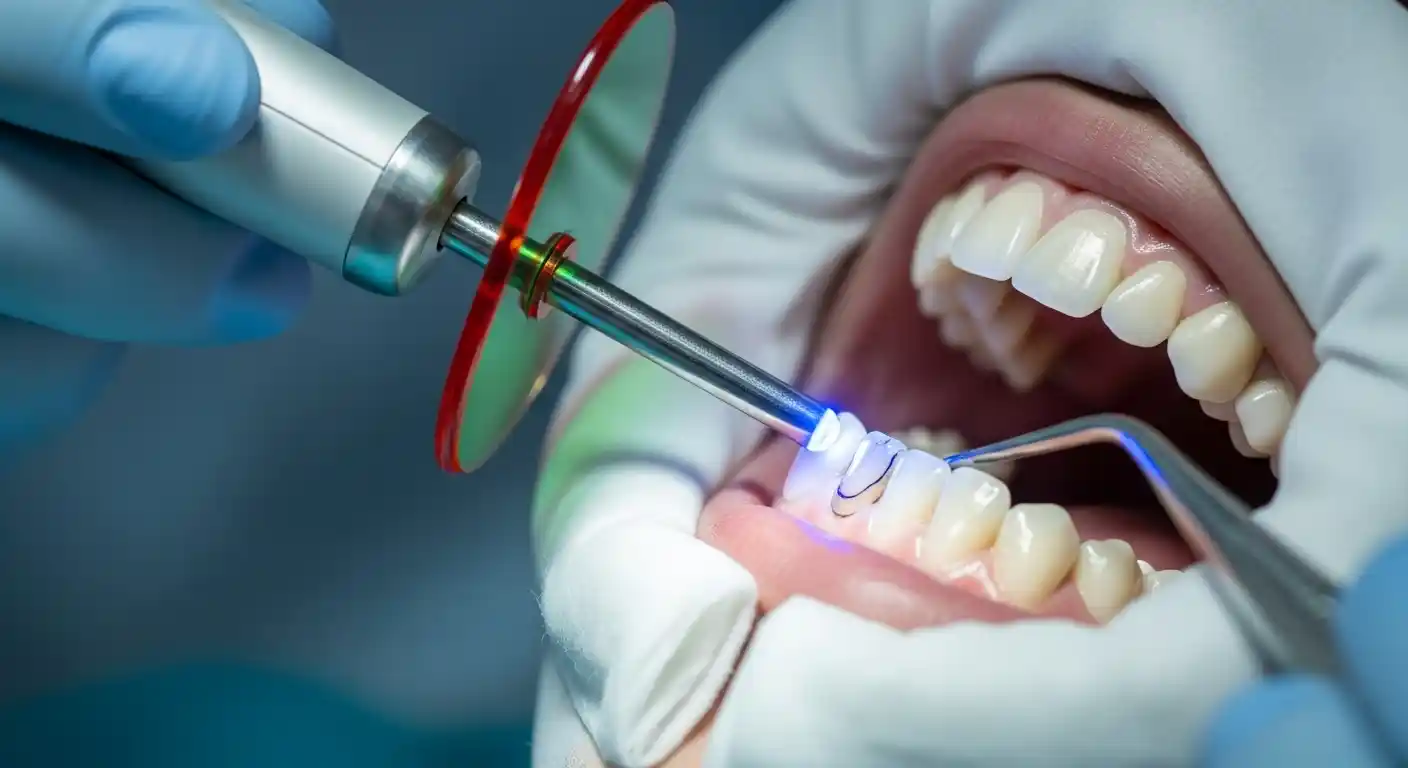
Understanding what to expect during your dental bonding appointment can help ease any anxiety you might have about the procedure. Here’s a typical step-by-step breakdown:
Consultation and color matching: Your dentist will examine your tooth and select a composite resin shade that closely matches your natural tooth color.
Preparation: The tooth surface will be roughened slightly using a gentle etching solution or tool. This creates a better surface for the bonding material to adhere to.
Application of conditioning liquid: A special liquid is applied to help the bonding material stick to your tooth.
Resin application: Your dentist will apply the putty-like composite resin to the damaged area, carefully molding and shaping it to restore the tooth’s natural appearance.
Sculpting and shaping: The dentist will skillfully shape the material to match the contours of your natural tooth, ensuring proper alignment with adjacent teeth.
Curing: A special ultraviolet light or laser is used to harden the material. This usually takes only a few seconds per layer.
Final shaping and polishing: Once hardened, your dentist will trim, shape, and polish the bonded area until it matches the sheen of your natural tooth surface.
How Dental Bonding Repairs Chipped and Cracked Teeth
Dental bonding is particularly effective for addressing chips and cracks in teeth, especially when the damage is relatively minor to moderate. Let’s explore how this procedure addresses each type of damage.
Fixing Chipped Teeth
Chipped teeth are among the most common dental injuries, and dental bonding offers an excellent solution. Whether you’ve chipped a small corner off a front tooth or experienced more significant damage, bonding can restore both the appearance and function of your tooth.
For chipped teeth, your dentist will use the composite resin to fill in the missing portion, rebuilding the tooth to its original shape and size. The material can be sculpted to recreate natural tooth anatomy, including edges, curves, and texture. Once polished, the bonded area blends so well with your natural tooth that it’s often difficult to tell where the repair begins and ends.
Repairing Cracked Teeth
Cracks in teeth can range from superficial surface cracks to deeper fractures that may affect tooth structure. Dental bonding works well for minor to moderate cracks, particularly those that are primarily cosmetic concerns or haven’t extended deep into the tooth.
The composite resin is applied over the crack, sealing it and preventing it from worsening. This not only improves the appearance of your tooth but can also protect it from sensitivity and further damage. However, it’s important to note that deep cracks that extend into the tooth’s root or pulp may require more extensive treatment, such as a crown or root canal.
Potential Benefits and Risks
Like any dental procedure, bonding comes with both advantages and considerations. The benefits include quick results, minimal invasiveness, and affordability. The procedure preserves most of your natural tooth structure and can be completed without anesthesia in many cases.
However, there are some limitations to consider. Bonding material isn’t as strong as your natural tooth enamel or other restorative materials like porcelain. The resin can chip or stain over time, particularly if you consume staining beverages or use tobacco products. Additionally, bonding typically lasts shorter than alternatives like veneers or crowns.
Pros and Cons of Dental Bonding for Chipped or Cracked Teeth
To help you make an informed decision about whether dental bonding is right for you, let’s examine the specific advantages and disadvantages of this treatment.
Pros of Dental Bonding
Affordability: Dental bonding is one of the most cost-effective cosmetic dental procedures available, making it accessible to more patients.
Speed and convenience: Most bonding procedures can be completed in a single visit, providing immediate results without the need for multiple appointments or temporary restorations.
Minimal tooth preparation: Unlike veneers or crowns, bonding typically requires little to no removal of your natural tooth enamel, preserving more of your original tooth structure.
Reversible: Because minimal tooth structure is removed, bonding is considered a reversible procedure. If you later decide to pursue a different treatment, you’ll have more options available.
Painless procedure: Most patients don’t require anesthesia unless the bonding is being used to fill a cavity or the chip is very close to the nerve.
Natural appearance: Modern composite resins can be precisely color-matched to your teeth, creating a seamless, natural-looking result.
Versatility: Bonding can address multiple cosmetic concerns beyond chips and cracks, including gaps, discoloration, and minor shape irregularities.
Cons of Dental Bonding
Durability concerns: Composite resin isn’t as strong as natural tooth enamel, porcelain, or metal. It can chip or break, particularly on teeth that experience heavy biting forces.
Staining susceptibility: The bonding material can stain over time, especially if you regularly consume coffee, tea, red wine, or use tobacco products.
Shorter lifespan: While well-maintained bonding can last several years, it typically doesn’t last as long as crowns or veneers, which may last a decade or more.
Limited application: Bonding works best for minor to moderate damage. Extensive damage may require more robust restorations.
Maintenance requirements: Bonded teeth require careful maintenance and may need touch-ups or replacement more frequently than other restorations.
Not ideal for all teeth: Back teeth (molars) that experience heavy chewing forces may not be ideal candidates for bonding due to the increased risk of fracture.
Candidate Considerations
Not everyone with a chipped or cracked tooth is an ideal candidate for dental bonding. Several factors influence whether this procedure will provide the best results for your specific situation.
Is Dental Bonding a Good Choice for Front Teeth?
Front teeth are actually ideal candidates for dental bonding. These teeth typically don’t experience the same heavy biting forces as back teeth, which means the bonding material is less likely to chip or crack. Additionally, front teeth are highly visible, making the cosmetic benefits of bonding particularly valuable.
Bonding is commonly used on front teeth to repair chips from accidents, close small gaps between teeth, improve tooth shape, or cover discoloration that doesn’t respond well to whitening treatments. The procedure can dramatically improve your smile with minimal intervention and maximum aesthetic impact.
Is Dental Bonding for You?
Determining whether dental bonding is right for you depends on several factors. You might be a good candidate if you have minor to moderate chips or cracks, are looking for an affordable cosmetic solution, prefer a quick procedure with immediate results, want to preserve as much natural tooth structure as possible, or have damage primarily affecting your front teeth.
However, bonding might not be the best choice if you have extensive tooth damage that requires more structural support, grind your teeth severely (bruxism) without wearing a protective night guard, have poor oral hygiene habits, or are seeking the longest-lasting possible solution regardless of cost.
The best way to determine if bonding is appropriate for your situation is to schedule a consultation with your dentist. They can examine your teeth, discuss your goals and concerns, and recommend the most suitable treatment options for your unique needs.
Longevity and Care
Understanding how long dental bonding lasts and how to care for bonded teeth will help you maintain your results and get the most value from your investment.
How Long Does Dental Bonding Last?
With proper care, dental bonding typically lasts between three to ten years before needing repair or replacement. However, the actual lifespan depends on several factors, including the location of the bonding (front teeth vs. back teeth), your oral hygiene habits, dietary choices, whether you grind your teeth, and how well you follow your dentist’s care recommendations.
Some patients enjoy their bonding results for many years, while others may need touch-ups or replacement sooner. Regular dental checkups allow your dentist to monitor the condition of your bonding and address any issues before they become more serious.
How Do You Care for Teeth After Dental Bonding?
Caring for bonded teeth is relatively straightforward and similar to caring for your natural teeth, with a few additional considerations:
Maintain excellent oral hygiene: Brush twice daily with a soft-bristled toothbrush and fluoride toothpaste, and floss daily to prevent decay around the bonded area.
Avoid staining substances: Limit consumption of coffee, tea, red wine, berries, and tobacco products, especially during the first 48 hours after bonding when the material is most susceptible to staining.
Be mindful of hard foods: Avoid biting into very hard foods like ice, hard candy, or nuts with bonded teeth. Cut hard foods into smaller pieces rather than biting into them directly.
Don’t use teeth as tools: Never use your teeth to open packages, bite nails, or hold objects.
Protect against grinding: If you grind your teeth, ask your dentist about a custom night guard to protect both your natural teeth and bonding.
Regular dental visits: See your dentist every six months for professional cleanings and examinations to catch any issues early.
Address problems promptly: If you notice any chips, cracks, or rough edges in your bonding, schedule an appointment with your dentist rather than waiting until your next regular checkup.
Comparison with Other Options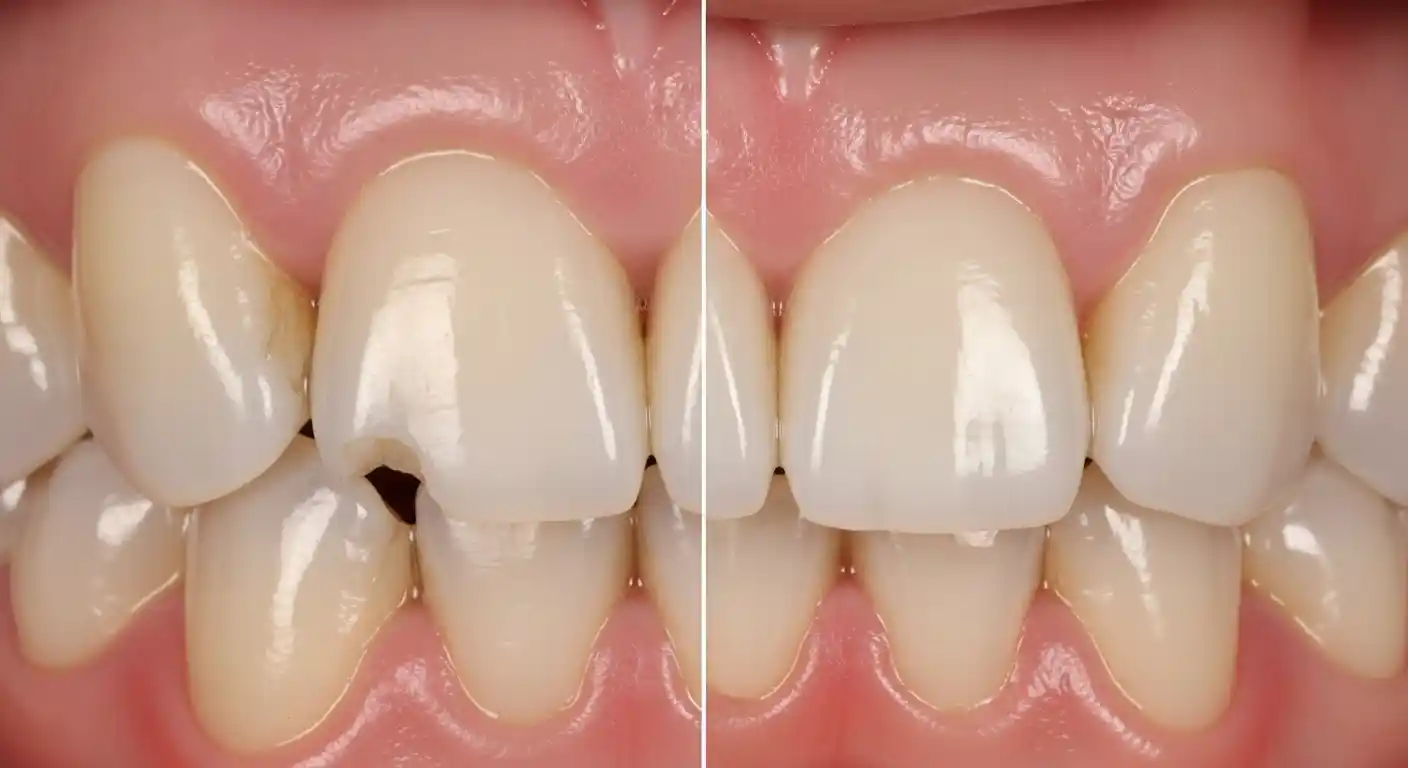
While dental bonding is an excellent option for many patients, it’s helpful to understand how it compares to other cosmetic dental treatments.
How Does Dental Bonding Compare to Other Cosmetic Options?
Veneers: Porcelain veneers are thin shells that cover the front surface of teeth. They’re more durable and stain-resistant than bonding but require more tooth preparation, cost significantly more, and take multiple appointments to complete. Veneers typically last 10-15 years or longer.
Crowns: Dental crowns cover the entire tooth and provide maximum strength and protection. They’re ideal for extensively damaged teeth but require substantial tooth preparation, cost more than bonding, and require multiple visits. Crowns can last 15 years or more with proper care.
Dental implants: For teeth that can’t be saved, implants replace the entire tooth including the root. They’re the most expensive option but offer the most natural function and longest lifespan.
Dental bonding occupies the sweet spot for patients seeking an affordable, quick, and conservative treatment for minor to moderate cosmetic concerns. Your dentist can help you weigh the pros and cons of each option based on your specific situation, budget, and long-term goals.
Ready to Fix a Chipped or Cracked Tooth?
If you’re in Mesa, AZ and have a chipped or cracked tooth, a professional evaluation at U Smile Family Dentistry is the best next step. our team can examine the damage, explain your options, and help you choose the treatment that fits your needs and goals. Visit U Smile Family Dentistry to schedule a consultation and get clear answers—so you can restore your smile comfortably and confidently.
Conclusion
Dental bonding is a simple and effective solution for fixing chipped or cracked teeth when the damage is minor to moderate. It improves the look and function of your tooth while keeping most of your natural tooth structure intact. The procedure is quick, affordable, and usually completed in just one visit, making it a convenient choice for many patients.
While dental bonding may not be the best option for severe damage, it works well for small chips, surface cracks, and cosmetic concerns—especially on front teeth. A dental exam is the best way to know if bonding is right for you. With proper care and regular checkups, bonded teeth can stay strong and look natural for years.
Frequently Asked Questions
Is dental bonding painful?
Dental bonding is usually not painful. Most patients do not need anesthesia unless the bonding is being used to fill a cavity or the damage is very close to the tooth’s nerve.
Can dental bonding fix a cracked tooth permanently?
Dental bonding can repair minor to moderate cracks and improve the tooth’s appearance and strength. However, it is not a permanent solution for deep or severe cracks, which may require a crown or other treatment.
How long does dental bonding take?
Dental bonding is often completed in one visit. Each tooth usually takes about 30 minutes to one hour, depending on the amount of damage and the level of detail needed.
Can bonded teeth look natural?
Yes. The bonding material is matched to the color of your natural teeth and shaped carefully, so the repair blends in and looks natural.
What should I avoid after dental bonding?
You should avoid biting hard objects like ice or hard candy, limit staining foods and drinks, and avoid using your teeth to open items. Good oral care helps bonding last longer.